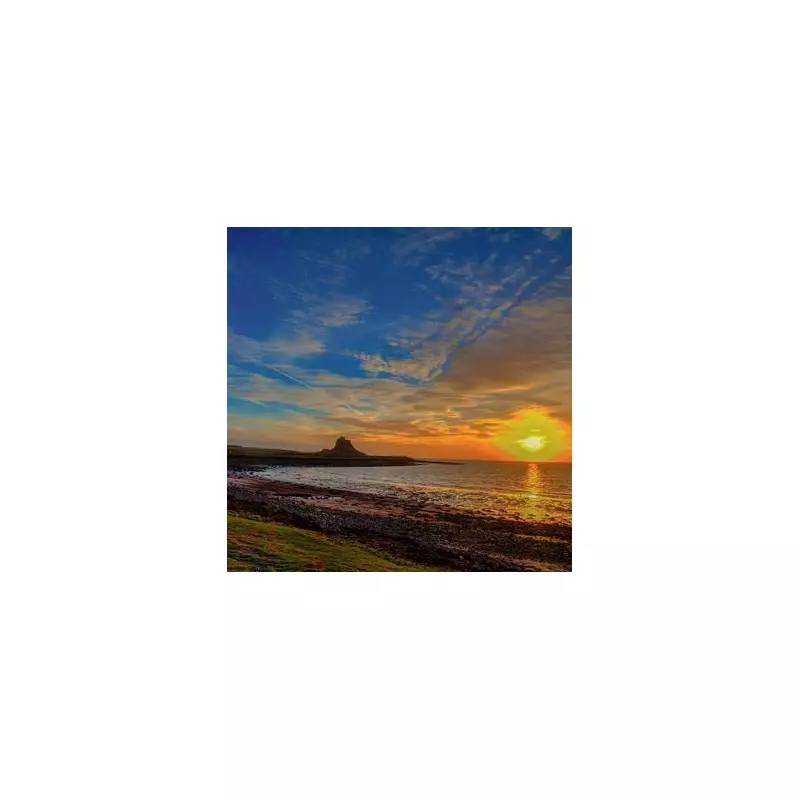
Twice each day, the fierce North Sea tides perform a dramatic act of isolation, severing a mystical Northumberland island village from the mainland and preserving its ancient, sacred atmosphere. This is Holy Island, or Lindisfarne, a place where history, wildlife, and stunning landscapes converge to create one of England's most captivating destinations.
A Tidal Sanctuary Steeped in Sacred History
Located 13 miles south of Berwick-upon-Tweed and 20 miles north of Alnwick, Holy Island's significance dates to 635 AD. It was then that St. Aidan, an Irish monk from Iona, founded the Lindisfarne monastery at the invitation of King Oswald, establishing a pivotal centre for Celtic Christianity in Northumbria. The island is often described as the holiest site in Anglo-Saxon England.
The legacy of saints like Aidan, Cuthbert, Eadfrith, and Eadberht is deeply woven into the island's fabric. The monastery produced the breathtaking Lindisfarne Gospels in the 7th century, a masterpiece now housed in the British Museum. Though the original monastery fell to Viking raids, a 12th-century priory was later established following the Norman Conquest, its ruins still standing as a powerful testament to the island's spiritual birth.

Majestic Castle and a Thriving Island Community
Dominating the skyline from its perch on Beblowe Craig, a volcanic mound, is the magnificent Lindisfarne Castle. Found in remarkably peaceful condition in 1901, the castle's history is less about conflict and more about strategic oversight. Today, managed by the National Trust, it offers visitors unparalleled views across the island and sea.
Far from being just a historical site, Holy Island is a vibrant, living community. Visitors will find a bustling harbour, charming shops, cosy pubs, and delightful cafes. Popular pastimes include birdwatching, painting, photography, and simply soaking in the profound peace of this unique place.
Exotic Wildlife and Essential Travel Tips
The island's isolation fosters a rich natural habitat. The Lindisfarne National Nature Reserve protects tidal mudflats, salt marshes, and dunes, attracting a spectacular array of birds. Pale-bellied brent geese from Svalbard winter here, and wading birds are a common sight.
One of the great joys for visitors is spotting grey seals playing in the waters or basking on the sands near the village shore. However, accessing this sanctuary requires planning. The causeway is engulfed by the tide twice daily, cutting off access. All visitors must check safe crossing times meticulously before attempting the journey to ensure they are not caught out by the rapidly rising water.
From its profound spiritual heritage and dramatic castle to its playful seals and tidal rhythms, Holy Island offers a truly unforgettable escape into England's sacred and natural history.