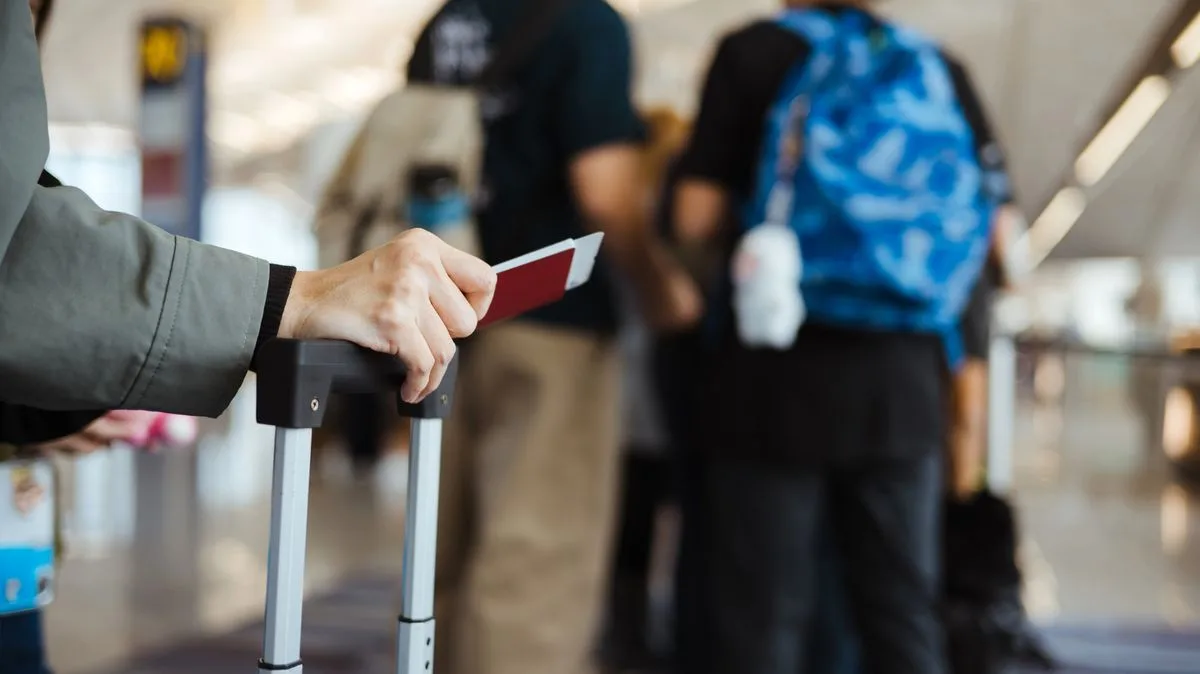
British holidaymakers are being urged to check their passports carefully before travelling to the European Union, as thousands risk being denied boarding due to post-Brexit validity rules. Even if a passport is technically 'in date', it may be invalid for travel to the Schengen area if it was issued more than 10 years ago.
Travel expert Simon Calder of The Independent warned that many people will arrive at airports only to discover they cannot fly. The UK is now treated as a 'third country' by the EU, meaning British passports must have been issued within the last 10 years and have at least three months remaining from the intended return date.
Earlier this year, a British artist was denied boarding by Norwegian airline because her passport was issued more than nine years and nine months ago, despite having several months until expiry. She lost around £700 and had to pay for an emergency renewal and a replacement flight. Copenhagen police confirmed that passports older than nine years and nine months from the date of issue are invalid for Schengen travel.
Passport fees increased on 10 April, with standard online applications rising to £94.50 for adults and £61.50 for children. Premium one-day service costs £222 for adults. The Home Office stated the fee rise helps cover costs without making a profit.
Holidaymakers heading to Spain, Greece, or any of the 29 Schengen countries should check both the issue date and expiry date of their passport. Renewing early is advised to avoid last-minute disruption and additional costs.