A prominent British baker based in Mexico City has been forced to issue a public apology after his blunt criticism of traditional Mexican bread ignited a fierce backlash on social media and sparked a national conversation about food, culture, and foreign influence.
Podcast Remarks Cause Widespread Offence
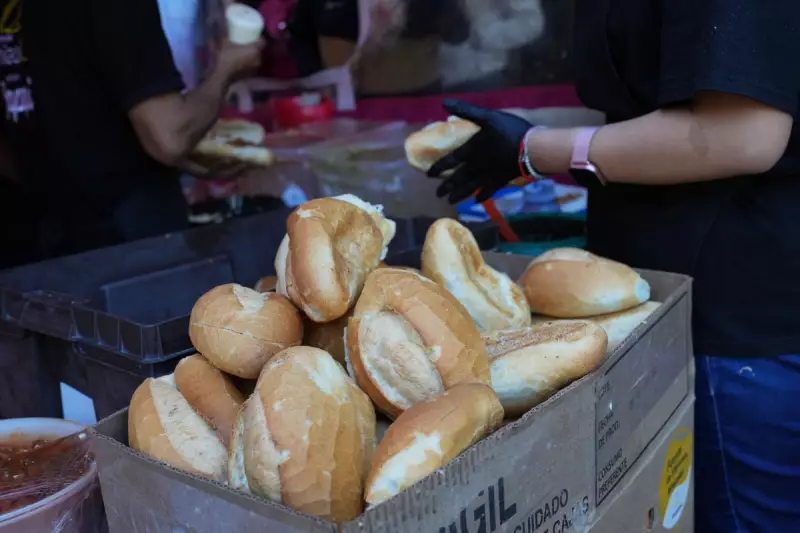
Richard Hart, the co-founder of the Green Rhino bakery in Mexico City and a well-known figure in international baking circles, made the controversial comments during a food podcast. The remarks, which recently resurfaced, saw Hart claim that Mexicans "don’t really have much of a bread culture." He went on to describe the ubiquitous white rolls used for sandwiches as "ugly" and "pretty cheap and industrially made."
His assessment quickly spread across platforms including Instagram, TikTok, and X, drawing sharp condemnation from Mexicans who found his views dismissive and insulting. What began as a culinary critique rapidly escalated into a broader debate about national identity and who has the authority to define Mexican traditions.

'Don't Mess With the Bolillo': A Nation Defends Its Staples
Social media was soon flooded with memes, reaction videos, and passionate defences of Mexico's beloved breads. Users celebrated everyday staples, from the crusty bolillos used for tortas to the sweet, iconic conchas found in neighbourhood bakeries (panaderías). For many, these simple, affordable items are a unifying force across social classes and a core part of the country's cultural fabric.
"He offended the community of bakers in Mexico and all the people in Mexico who like bread, which is almost everyone," said Daniela Delgado, a university student in the capital. The sentiment was echoed in a viral post on X that simply warned: "Don't mess with the bolillo."
While wheat bread was introduced during the colonial period, it evolved into a distinct national tradition, blending European techniques with local tastes. Today, small local bakeries remain central to daily life, acting as social hubs as much as food sources.
Apology Issued Amid Deeper Tensions
As criticism mounted, Hart posted a public apology on Instagram on Friday 19 December 2025. He stated his comments were poorly phrased and failed to show respect for Mexico and its people, acknowledging he had not behaved as a respectful "guest." "I made a mistake," Hart said. "I regret it deeply." Representatives for Green Rhino bakery declined to comment when contacted by The Associated Press.
However, the apology did little to immediately quell the debate. For many, Hart's remarks touched a nerve, reflecting wider frustrations about foreign chefs and restaurateurs receiving disproportionate prestige and concerns over gentrification in a city already experiencing tensions from an influx of US expatriates and tourists.
"If you want to be part of Mexican culture by owning a restaurant or bakery, you have to educate yourself," Delgado added.
Others, like Josué Martínez, a chef at the Mexican Culinary School, saw value in the controversy. He noted that while Mexican bread has faced domestic criticism for industrialisation, such conversations are more nuanced when led by Mexicans themselves rather than a foreign entrepreneur.
"It’s an opportunity to learn about the culture of Mexican breadmaking and pastry, to take pride in it, to highlight the richness of our ingredients, and to stop thinking that the so-called first world represents the ultimate standard," Martínez said.