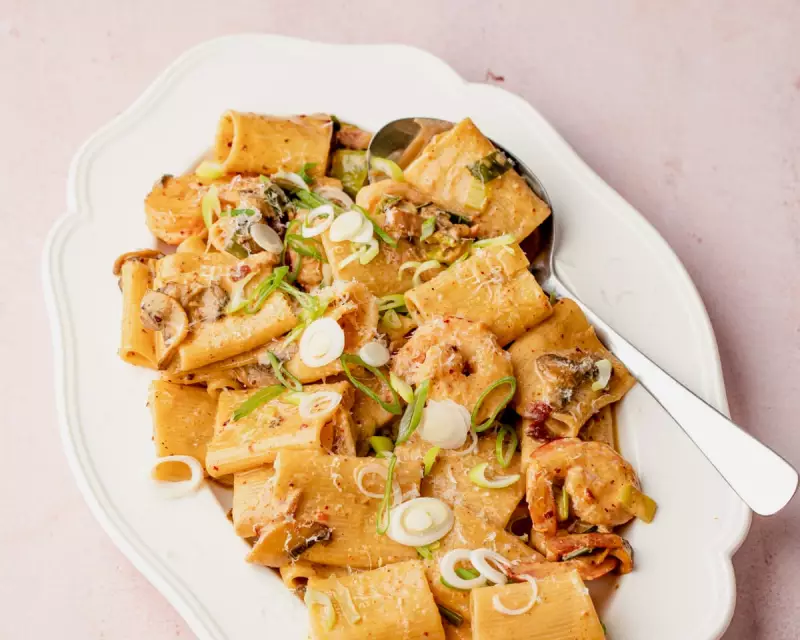
In a wonderfully strange twist of global culinary trends, a regional Australian city has found unexpected fame in South Korea for a dish it never created. The phenomenon centres on Toowoomba pasta, a creamy seafood creation that has taken Korean restaurants and convenience stores by storm, much to the bemusement of those who know the real Toowoomba.
From Queensland to Korea: A Name's Unexpected Journey
For columnist Rebecca Shaw, seeing her hometown's name attached to a viral pasta dish half a world away is a source of both delight and profound confusion. Toowoomba, a city in Queensland known as much for its gardens as for its rugby league players, is hours inland from the coast. As Shaw wryly notes, seafood is hardly its claim to fame, a fact she knows from personal experience working in a short-lived fish and chip shop in a local food court.
The dish's origin story is not found in Australian kitchens but in the American restaurant chain Outback Steakhouse. Shaw first encountered 'Toowoomba pasta' a decade ago while travelling in the US. The menu item, featuring prawns as its hero ingredient in a creamy sauce, was part of the chain's loosely 'Australian-themed' offering. It represented a curious, foreign interpretation of Australian culture rather than any genuine culinary export from the Garden City.

The Delicious Delusion of a Viral Sensation
Despite its complete disconnect from geographical and culinary reality, the pasta's popularity in South Korea is undeniable. It has transcended restaurant menus to become a staple in Korean convenience stores, available as a ready-made sauce for hungry consumers. This places the name Toowoomba in the curious position of being synonymous with prawns and creamy pasta for a generation of Koreans, a fact Shaw finds beautifully delusional.
She reflects on Toowoomba's own modest food scene, which in her youth lacked sushi until she was 20 and saw its first Mexican restaurant arrive only in 2015. The idea that this inland city is now internationally famous for a seafood pasta is, in her words, an act of "total, beautiful delusional incongruity." Yet, she embraces the odd fame, suggesting it's a far nicer association for her hometown than many alternatives. "Cities have been built on less," she muses.
A Personal Connection to Global Quirk
Shaw's piece is underpinned by the universal tension of hometown pride. She describes a complicated relationship with Toowoomba, having grown up closeted in its conservative 80s and 90s environment, yet maintaining deep family ties there. This personal history makes the pasta's success all the more surreal. The privilege of critiquing one's home, she argues, belongs to those who have lived it, making her the perfect commentator on this bizarre case of mistaken culinary identity.
Ultimately, Shaw concludes with good humour. If Toowoomba is to be known globally for something, a beloved creamy pasta dish is a rather pleasant legacy. It even provides her with a whimsical life goal: to become more famous than a pasta. The story of Toowoomba pasta is a testament to how globalised culture can create unexpected, and delightfully inaccurate, legends, proving that sometimes, reality is no match for a good recipe and a catchy name.