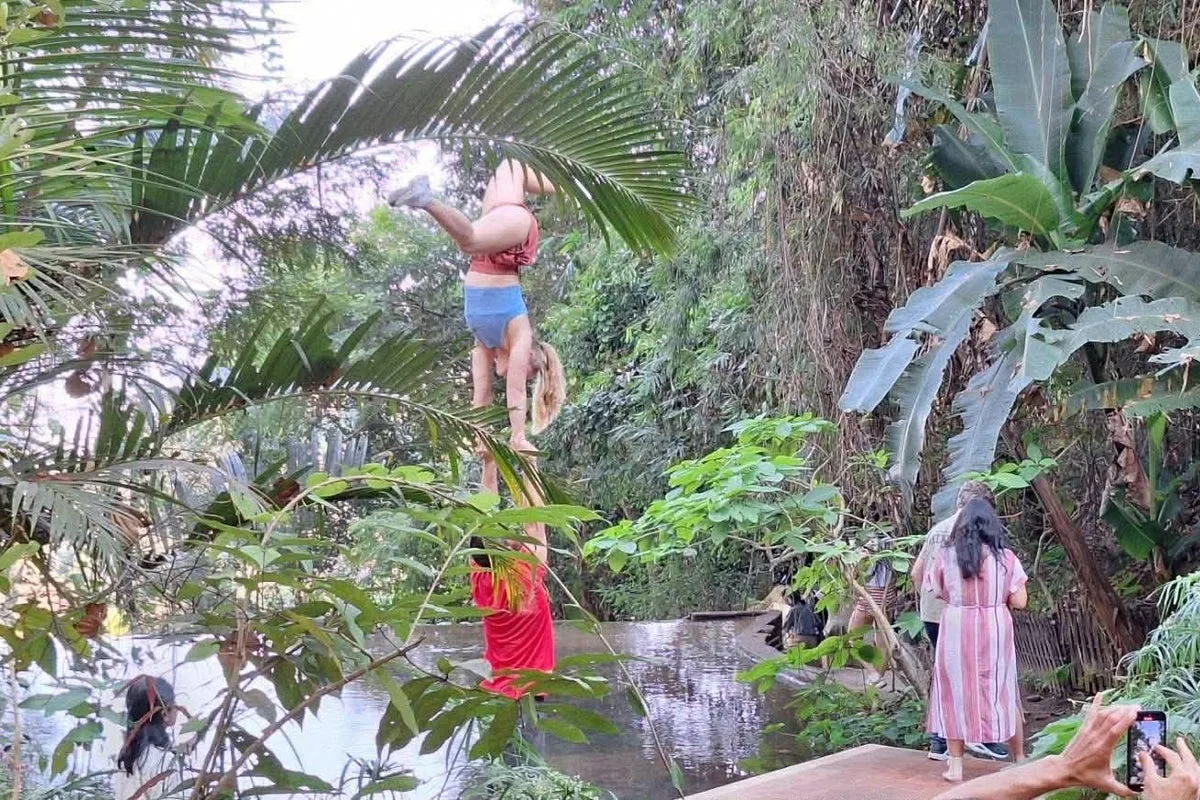
Authorities at a 14th-century temple in Thailand have warned foreign tourists against performing yoga and gymnastics in 'revealing' clothing, calling the behaviour disrespectful. Wat Pha Lat, known as the 'hidden temple' in Chiang Mai, has seen a rise in visitors posting images of themselves doing acro-yoga and sunbathing in bikinis near the site.
In a Facebook post, the temple said it is an 'active place of worship for monks' and not a recreational park or gym. It cited incidents of tourists climbing on ancient structures and wearing revealing clothing, and warned that the site could be permanently closed to visitors if such behaviour continues.
The warning follows similar measures in other tourist destinations. In Bali, Indonesia, authorities issued guidelines last year to protect cultural integrity, including a rule prohibiting menstruating women from entering sacred temple areas. In Japan, the Watadzumi Shrine on Tsushima Island restricted access to non-worshippers after repeated disrespect by a foreign visitor.
In 2017, two American tourists were fined US$150 each after sharing photographs of themselves baring their buttocks in front of a famous temple landmark in Bangkok. The incidents highlight growing tensions between tourism and cultural preservation in popular destinations across Asia.