For many years, January has traditionally been the peak month for British holidaymakers to secure their summer getaways. Industry data suggests that approximately one in three travellers makes their bookings early in the year, motivated by the desire to escape the chilly winter weather and to take advantage of post-Christmas sales promotions.
Tax Pressures Impacting Consumer Behaviour
However, this established pattern is now facing significant disruption according to industry leaders. Steve Heapy, the chief executive officer of Jet2, has issued a stark warning that increasing tax burdens are causing many Britons to put their summer holiday plans on hold.
Heapy, who oversees both the airline and package holiday operations, explained that customers are increasingly postponing their decisions to book overseas trips. Instead, they are holding out in the hope of securing substantially cheaper, last-minute discounts as departure dates approach.

Government Policy Changes Affecting Disposable Income
The Jet2 executive pointed directly to what he termed 'tax pressures' within the United Kingdom that have reduced household disposable income. This financial squeeze has made consumers more cautious about committing to holiday expenditures well in advance.
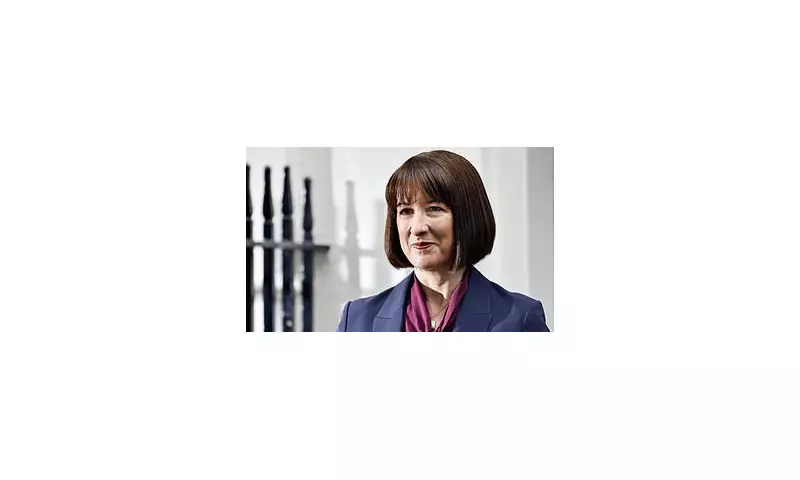
These concerns follow Chancellor Rachel Reeves' recent budget decisions that have directly impacted travellers' finances. The Chancellor extended a freeze on tax thresholds, a move that has pushed millions of additional taxpayers into higher tax brackets. Furthermore, she increased Air Passenger Duty (APD), the departure tax levied on flights leaving UK airports.
This additional cost is typically passed directly to passengers through increased ticket prices, generating significant revenue for the UK government while adding to the overall expense of holiday travel.
Changing Booking Patterns Create Uncertainty
Heapy revealed to tourism publication Hosteltur that the market is shifting toward last-minute bookings. 'We're facing a market of last-minute bookings,' he stated. 'Customers are postponing their purchase decisions, waiting for potential discounts.'
The industry leader noted that Jet2, which serves as Britain's largest package holiday provider and third-largest airline by passenger numbers, had anticipated a significant surge in bookings on the first Saturday of January. This date traditionally represents one of the busiest booking days of the entire year, but the expected demand failed to materialise.
'We're unlikely to see a single day with extraordinary demand spikes; instead, the flow will be spread out over a longer period,' Heapy observed. 'This delay in the market inevitably introduces a greater degree of uncertainty.'
Industry Concerns About Being Treated as 'Cash Cow'
This is not the first time Heapy has expressed concerns about government policy toward the travel sector. He has previously warned Chancellor Reeves against treating the airline and holiday industry as a 'cash cow' and a 'bottomless pit of money.'
The Jet2 chief executive also noted that broader economic factors are affecting traditional British holiday destinations. Inflation and economic uncertainty are impacting popular locations such as Spain, further complicating the travel landscape.
Package Holidays Remain Popular Despite Challenges
Despite these challenges, Heapy reported that package holidays continue to perform strongly as customers seek 'certainty' in their travel arrangements. The all-inclusive nature of package deals provides financial predictability that appeals to budget-conscious travellers.
In a positive development for the company, Jet2 announced last year that it had secured slots for six additional aircraft at Gatwick Airport following the release of extra capacity. This expansion means passengers will have increased options for flights from the airport throughout this year.
Government Response to Economic Concerns
A Treasury spokeswoman responded to these concerns by highlighting government measures aimed at supporting household finances. 'Real wages are up more in the first year of this government than the first decade under the previous government, and living standards are higher than they were in the previous parliament, meaning people have more money to go out and spend,' she told The Times.

'In the budget we increased the national living wage and national minimum wage and took £150 off people's energy bills, extended the freeze on prescription fees, fuel duty and froze rail fares for the first time in 30 years.'
Despite these government assurances, the travel industry remains concerned about the immediate impact of tax policies on consumer behaviour. The shift from traditional January booking patterns toward last-minute arrangements represents a significant change in how Britons approach their holiday planning, with potential implications for both travellers and the tourism sector throughout the coming summer season.