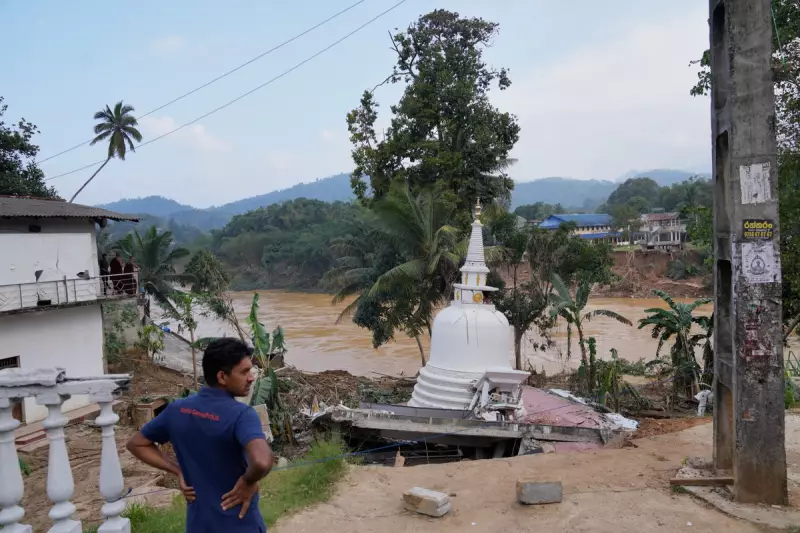
Devastating floods triggered by Cyclone Ditwah have left Sri Lanka reeling, with the death toll nearing 500 and hundreds more reported missing. The disaster, which struck last week, has impacted almost one in ten people across the island nation.
A Nation Submerged: The Immediate Aftermath
The cyclone unleashed catastrophic flooding, causing widespread destruction to infrastructure and livelihoods. Thousands of homes have been damaged or destroyed, alongside critical roads and power lines. Vast tracts of agricultural land now lie under water, compounding the crisis for rural communities.
For residents like Herath Gedara Rohan Anil Kumara, a small-scale tourism operator, the disaster has wiped out a vital source of income. His story is echoed across a sector that is a crucial foreign exchange earner for the Sri Lankan economy.

Tourism in the Crosshairs
The timing of Cyclone Ditwah could hardly be worse, striking during what should be a peak season for visitors. The government has an ambitious target of 2.6 million tourist arrivals by the end of the year. In response to the crisis, authorities are actively assisting stranded tourists, waiving related fees, and promoting continued travel to unaffected areas.
Despite the severe disruption, there are glimmers of resilience. The Hotels Association of Sri Lanka has reported surprisingly low cancellation rates, with many establishments remaining operational. The association has expressed optimism for a swift recovery in the sector, a sentiment crucial for national morale and economic stability.
Questions of Preparedness and the Path Forward
As the floodwaters begin to recede, difficult questions are being asked by affected citizens. Many are demanding to know why the government was not better prepared for a disaster of this scale, given the region's susceptibility to extreme weather events.
The road to recovery will be long and costly. The immediate focus remains on search and rescue operations, providing shelter for the displaced, and restoring basic services. The long-term challenge will involve rebuilding shattered communities and reinforcing the nation's defences against future climatic threats, all while safeguarding the economic lifeline provided by tourism.