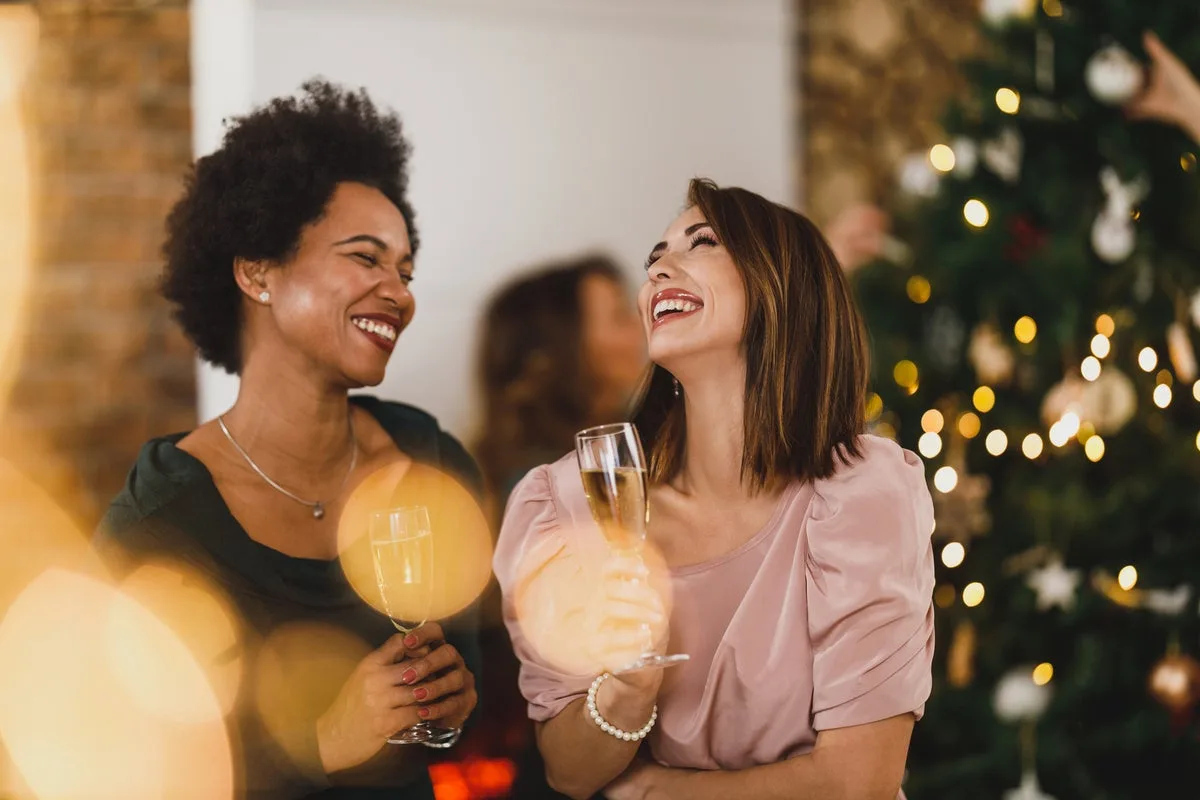
In Ireland, the festive season holds a special secret for women, a tradition that extends the Christmas spirit well into the new year. Known as Nollaig na mBan, or 'Women's Christmas', this celebration falls every year on January 6th, offering a dedicated day for women to rest, socialise, and be honoured after the busy holiday period.
The Heart of the Tradition: A Day of Rest and Connection
For generations in areas like West Kerry, Cork, and other Gaeltacht regions, Nollaig na mBan has been a cherished custom. As folklorist Aoife Granville of University College Cork recalls from her childhood, it was a day when the hard work of organising Christmas was over. Women would finally take a 'day off', dressing in their best clothes to visit friends and family.
The day traditionally involved catching up over tea, currant cake, and perhaps a glass of punch or sherry. Men often acted as chauffeurs, ferrying mothers, grandmothers, and sisters between homes and local pubs where music and further celebrations awaited. As noted by Irish folklorist Kevin Danaher in 1970, while Christmas Day featured 'beef and whiskey, men's fare', Little Christmas showcased the 'dainties preferred by women'.
From Local Custom to National Celebration
Historically, the practice was not universal across Ireland. In many communities, January 6th was simply known as 'Little Christmas' – a day for finishing festive leftovers – or the Feast of the Epiphany, marking the end of the twelve days of Christmas and the visit of the Three Kings.
However, in a significant cultural shift, Nollaig na mBan has surged in popularity across Ireland over the last decade. Pubs and restaurants from Belfast to Cork now advertise special events and menus. A dedicated festival in north County Dublin celebrates its second year, and social media buzz has propelled the tradition into the national consciousness.
A Modern Evolution: Celebration and Reflection
Today's celebrations blend the old with the new. While many still gather for lunches and pub meet-ups much like Granville's grandmother did, the day has also taken on a broader significance. It has become a time to celebrate female creativity, supporting Irish women designers, writers, poets, and musicians.
In this sense, it now parallels International Women's Day on March 8th. It serves as both a joyous social occasion and a moment of reflection on the progress made since the late 1970s, when bans on contraception and married women working limited freedoms, and on the journey towards full equality that continues.
Ultimately, Nollaig na mBan remains a powerful and growing tradition. It is a unique Irish celebration that honours the vital role of women, offering a well-deserved pause for connection and festivity as the long Christmas season finally draws to a close.