Faced with the daunting task of promoting the world's most barren country—a nation nine out of ten people hadn't even heard of—Mongolia's former tourism minister has overseen a remarkable turnaround. Nomin Chinbat, who recently stepped down after five years as Culture and Tourism Minister, was charged with a stark challenge: rebranding a country synonymous with extreme cold, pollution, and the legacy of Genghis Khan into a must-visit adventure destination.
Confronting Global Obscurity and Harsh Realities
The scale of the challenge was immense. A 2018 global survey by Edelman revealed only 10% of people knew Mongolia was a country, with three in ten mistakenly believing it was part of China. This profound lack of recognition was a major obstacle to government plans to diversify the economy away from mining.
Compounding the issue were the nation's harsh realities. The capital, Ulaanbaatar, is officially the planet's coldest capital, with winter temperatures routinely diving below -20°C. Widespread coal burning for heat leads to severe pollution; an estimated 7,000 people died last winter due to air pollution-related issues, indoors and out.

Reframing History and Showcasing Nomadic Life
Then there was the figure of Genghis Khan. While globally famous, his bloodthirsty reputation presented a complex branding issue. Minister Chinbat embarked on a mission to reframe this history. "He was a peacemaker and diplomat," she argued, highlighting his role in creating early passport systems for safe travel.
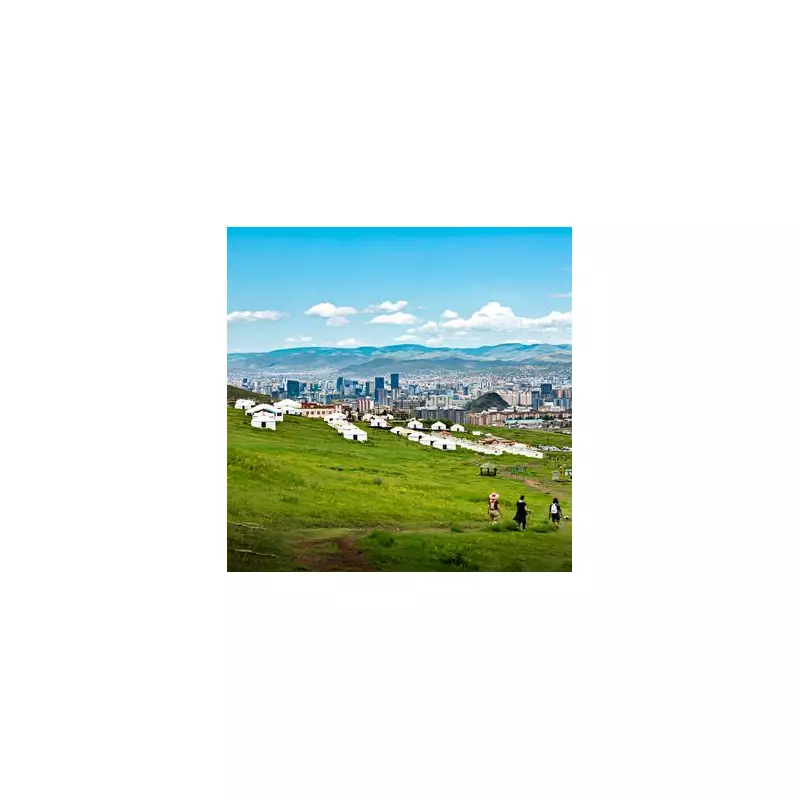
Beyond history, the campaign shifted focus to Mongolia's living culture and breathtaking landscapes. The real stars, according to Chinbat, are the nomads. Roughly 40% of Mongolia's 3.3 million population maintain a nomadic lifestyle, living in traditional gers (yurts) and herding livestock across the unfenced steppe. This vast, empty land—a third emptier than Australia or Namibia—offers unparalleled solitude and adventure.
A Strategy Paying Dividends
The multifaceted "Go Mongolia" strategy is yielding impressive results. Collaborations, like the partnership with Fulham Football Club, and promotions at international events like the Paris Olympics have raised the profile. An "open sky" policy has encouraged airlines like United and Turkish to increase connections.
The data confirms the success. The UN Tourism Barometer lists Mongolia among the 20 fastest-growing destinations globally, with visitor numbers jumping 16% from 2024 to 2025. From around 500,000 visitors pre-Covid, arrivals reached 850,000 in 2025, with an ambitious target of 2 million by 2030. A Boston Consulting Group survey noted Mongolia leapt 14 places in global soft power rankings; now, six in ten people worldwide have heard of the country.
For UK travellers, the journey remains an adventure in itself. Most routes transit via Istanbul, taking around 15 hours to Ulaanbaatar, with return economy fares typically around £1,000. Yet, in a post-lockdown era craving authentic experiences, the investment is attracting more intrepid Brits. As Nomin Chinbat concludes, "I think we're on the verge of exploding." The world is finally starting to listen.