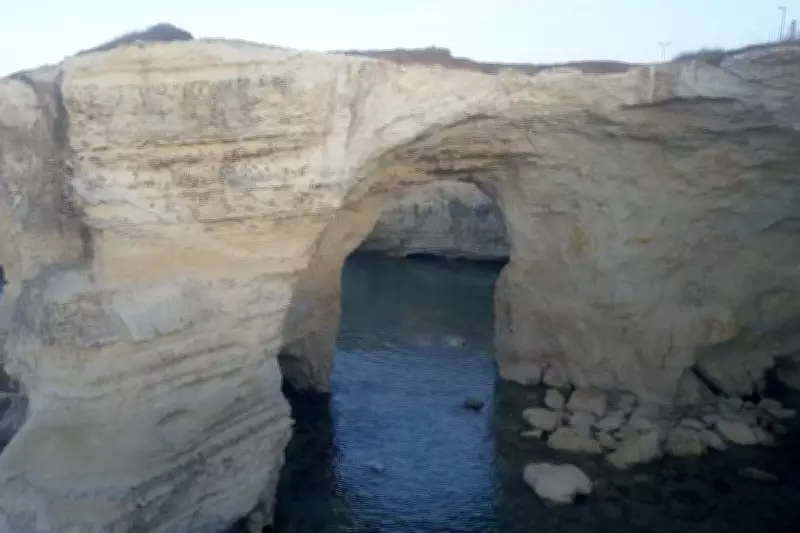
Italy's Iconic Lovers' Arch Collapses on Valentine's Day Amid Severe Storms
The renowned natural rock formation known as the Lovers' Arch, a beloved landmark on Italy's Adriatic coast, dramatically collapsed into the sea on Valentine's Day, following several days of intense and unrelenting severe weather. Located near Melendugno in the Puglia region, the arch was a distinctive part of the Sant'Andrea sea stacks and served as a cherished backdrop for countless tourist photographs and romantic marriage proposals over the years.
Mayor Expresses Dismay Over Tourism Impact
Melendugno Mayor Maurizio Cisternino expressed profound dismay at the loss, describing the collapse as a very hard blow for the area's vital tourism industry. He attributed the destruction directly to the relentless heavy rain, powerful winds, and turbulent seas that battered the coastline in the days leading up to the incident. The arch's sudden disappearance has left local businesses and residents reeling, as it was a key attraction drawing visitors to this picturesque part of southern Italy.
Coastal Erosion Poses Ongoing Threats
Local officials have issued urgent warnings that other vulnerable sections of the coastline could now be at significant risk due to accelerating coastal erosion. Cracks have become visibly apparent along the cliffs in the vicinity, raising concerns about potential further collapses. This incident underscores the broader environmental challenges facing Italy's coastal regions, where erosion and extreme weather events are increasingly threatening natural and man-made structures alike.

Wider Pattern of Extreme Weather Damage
The collapse of the Lovers' Arch is part of a distressing wider pattern of extreme weather in southern Italy, which has already caused over a billion euros in damage this year alone. This includes numerous landslides and extensive damage to coastal infrastructure, prompting the Italian government to declare a state of emergency in several affected regions. The frequency and intensity of such events highlight the growing impact of climate change on vulnerable areas, with tourism and local economies bearing the brunt of the consequences.
As authorities assess the damage and consider mitigation measures, the loss of the Lovers' Arch serves as a stark reminder of the fragility of natural landmarks in the face of environmental pressures. The community now faces the dual challenge of recovering from this blow while preparing for future risks to their coastline and tourism-dependent livelihoods.