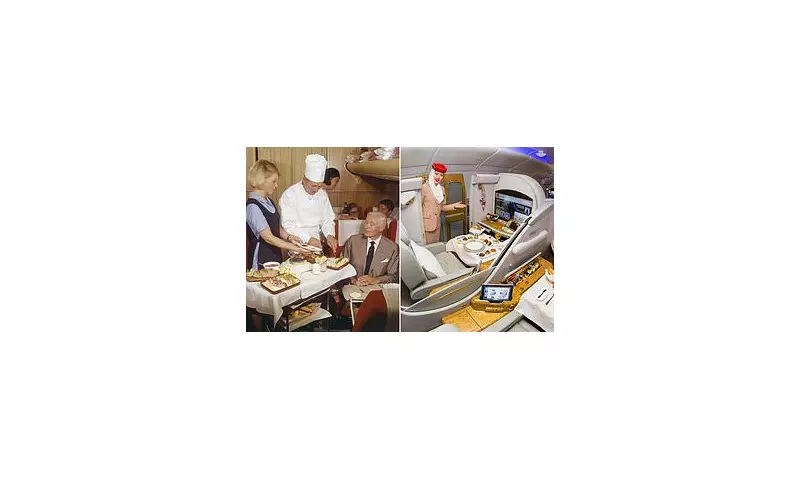
For decades, boarding a plane and turning left into the first class cabin has symbolised the ultimate in commercial travel luxury. It promises quiet, space, fine dining, and a sense of separation from the rest of the aircraft. Yet the very definition of this premium experience has undergone a radical transformation since its introduction on TWA's Super Constellation route from New York to London in 1955.
The Golden Age: Glamour and Socialising at 30,000 Feet
The 1950s and 1960s are often recalled as aviation's 'golden age'. For first class passengers, it was a glamorous social event. They dressed formally, with men in suits and women in cocktail dresses. Cabins featured spacious lounge chairs, and the journey was as much about who you met as where you were going.
In-flight service was theatrical. Flight attendants carved roasts by hand at your seat and poured champagne into crystal. Extravagant multi-course meals were served on fine china with linen tablecloths. The social heart was often a cocktail bar, where passengers mingled freely, cigarette in hand. A ticket from New York to London then would cost the equivalent of around £10,000 today, making it the preserve of the ultra-wealthy, diplomats, and movie stars.

The Corporate Shift and the Privacy Revolution
By the 1980s, the clientele and purpose shifted. First class became a symbol of corporate power, with companies buying premium tickets for executives as a mark of success. The glitzy socialising gave way to a more productive, ambitious atmosphere where deals were made mid-flight.
The real revolution, however, came with the seat itself. While British Airways introduced the first flat-beds in the mid-1990s, it was the 2000s that cemented the lie-flat bed as standard. Today, the concept of a mere 'seat' is almost obsolete. Airlines like Emirates, Etihad, and Singapore Airlines offer fully enclosed suites with sliding doors, double beds for couples, and controls for lighting, temperature, and mattress firmness.
Service, Amenities and The Modern Price of Exclusivity
Service has evolved from a shared extravaganza to a discreet, personalised affair. Passengers on carriers like Japan Airlines are greeted by name and can enjoy private dining with onboard chefs. Amenity kits have journeyed from practical items like shoe polish in the 1960s to partnerships with luxury brands like Givenchy and Clarins, offering designer pyjamas and high-end skincare.
While loyalty points and upgrades have made first class more accessible, the cash price remains stratospheric. A round-trip from London to Singapore can easily cost between £6,000 and £12,000. The experience is now defined by privacy and digital solitude, with passengers in cashmere loungewear more likely to close their suite door and watch a film than chat with a neighbour at a bar.
So, has first class evolved for the better? It has undoubtedly gained in comfort, technology, and personal space. Yet, some argue it has lost the exclusive flair and vibrant social atmosphere that once defined it. Whether the modern, cocooned luxury is worth the splurge depends entirely on whether you value a private sanctuary in the sky or miss the champagne-fuelled camaraderie of the clouds.