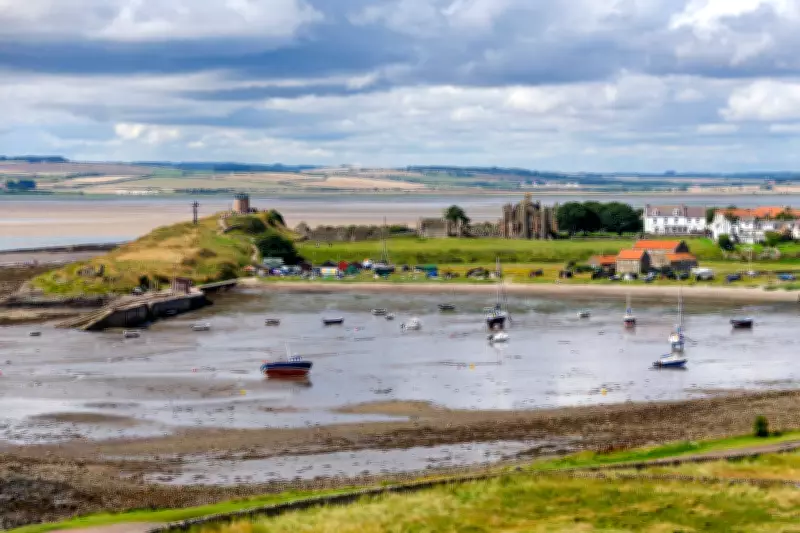
Holy Island: Northumberland's Enchanting Tidal Sanctuary
Nestled in the rugged coastline of Northumberland, Holy Island of Lindisfarne stands as a magical destination, steeped in natural wonders and centuries of history. This tidal island, located approximately 60 miles north of Newcastle, offers a unique experience best savoured when the tide rolls in, transforming it into a secluded haven.
A Causeway of Caution and Wonder
Accessible solely via a causeway just twice daily, Holy Island witnesses a startling statistic: each year, between 10 and 20 vehicles become stranded, submerged by rapidly rising waters, necessitating rescue operations. This precarious access underscores the island's dramatic relationship with the sea, a feature that adds to its allure and demands respect from visitors.
On clear days, travellers on the London to Edinburgh train can glimpse the island's imposing 16th-century castle, a structure that recently served as an apocalyptic backdrop in the 28 Years Later film series. This fusion of historical grandeur and cinematic intrigue highlights Holy Island's cultural significance.

Protected Landscapes and Rich Heritage
Holy Island falls within the Northumberland Coast National Landscape, an area designated for its national importance, and lies at the heart of the Lindisfarne National Nature Reserve. Its history is woven deeply into the fabric of the land, from the monastery founded by St Aidan in AD 635, marking early Christianity in Britain, to lime kilns dating from 1860 that echo the region's industrial past.
With a permanent population of around 150 residents, this three-mile-long island welcomes up to 500,000 visitors annually. Andrew Fox, chair of Visit Northumberland, emphasises the need for mindful tourism: "It relies on visitors treading lightly and respecting the tides, sticking to paths, giving wildlife space, and remembering that this is a living community as well as a much-loved place to explore."
Community Voices and Timeless Charm
Will Smith, whose family has lived on Holy Island for generations, shares its unique essence: "Holy Island is surrounded by history, which islanders are a part of. My grandma used to tell stories of taking a horse and cart to the mainland before the main causeway road opened in 1954. Here you'll find pure freedom, beautiful scenery and a community like no other."
Driving across the causeway offers a surreal journey, with mud flats and saltmarshes whizzing past as you leave the mainland behind. Wildlife enthusiasts can spot Atlantic grey seals, recognisable by their signature wail, along with redshank, curlews, and herons. Once on the island, parking is restricted to two main car parks, encouraging exploration on foot.
Exploring on Foot and by Guided Tour
For those seeking a more immersive experience, the Pilgrim's Way provides a three-mile walking route to the island, though it requires careful attention to safe crossing times, available online or on island displays. Footsteps in Northumberland offers guided walks across the causeway for ages six and up, covering a seven-mile route with expert insight.
When cut off by the tide, Holy Island transforms into an other-worldly retreat. The eerie, desolate beauty captured in films mirrors its dramatic, rugged landscape after daytrippers depart. Sunset views across the mainland, accompanied by seals and birdsong, offer unparalleled peace and idyllic scenery.
Seasonal Magic and Visitor Tips
Iain Robson, Northumberland Coast National Landscape manager, advises planning visits around tide times to enjoy a full day isolated from the mainland: "Holy Island is at its most magical at closed tide. This is when you can really enjoy the island's tranquillity. Visiting out of season also lets you escape the crowds, with it being a dramatic place to visit in the autumn, winter and spring."
The island's main street leads to its iconic castle, originally a Tudor fort built to ward off Scottish invasions and now a National Trust property. Smith notes the importance of tourism: "Tourism is necessary for island life: pubs, shops and cafes thrive as a result. Many people who live there work on the island."

Natural and Geological Wonders
Holy Island is dog-friendly, but byelaws require leads to protect wildlife, especially ground-nesting birds near the castle and beaches. To the left of the castle lies a stunning walled garden designed by Gertrude Jekyll in 1911, while nearby lime kilns showcase 19th-century industrial heritage.
Geologically, Holy Island marks the most northerly point of the Great Whin Sill, a volcanic rock formation dating back 295 million years, which also underpins the Farne Islands, Bamburgh and Dunstanburgh castles, and Hadrian's Wall. Key outcrops include the castle's foundation and The Heugh, a southern point above St Cuthbert's Beach and the 12th-century Lindisfarne Priory ruins, now owned by English Heritage.
Secluded Beaches and Local Amenities
A 30-minute walk north from the castle reveals Sandham Bay beach, with golden sands and turquoise waters, near Emanuel Head—a white pyramid-shaped daymark built in the early 1800s to guide ships. Further along, Coves Haven offers a more secluded beach experience, perfect for sunny days or colder months.
Visitors can refuel at local spots like The Ship Inn or The Crown and Anchor pubs, or enjoy coffee and cakes at Pilgrims, a family-run coffee house. Accommodation options include self-catering stays, pub rooms, and The Manor House Hotel, though short stays are often limited. Alternatively, base yourself in nearby towns like Berwick, Bamburgh, or Seahouses and visit Holy Island from there.
Leaving this phenomenal island feels like a return to reality, with many yearning to revisit soon. Always remember to check safe crossing times before departing, ensuring a safe and memorable journey to and from Northumberland's tidal treasure.