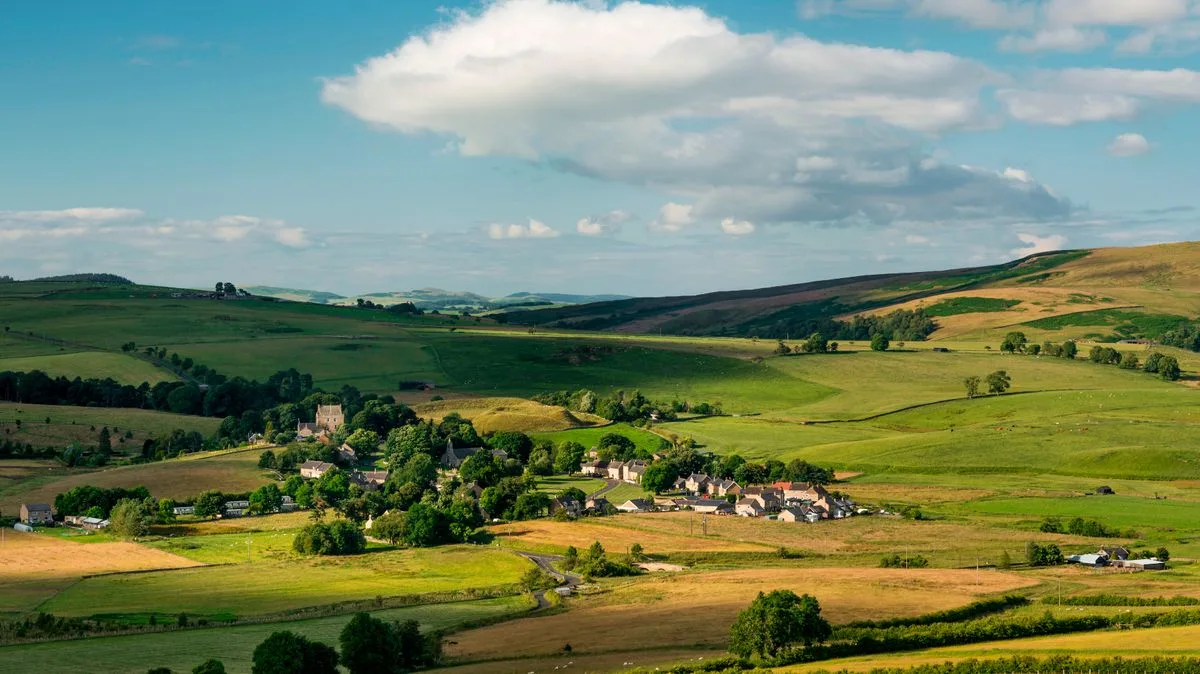
Elsdon, a picturesque village in Northumberland, has been dubbed 'the perfect Northumbrian village' by Northumberland National Park. Its honey-coloured stone buildings form a ring around a distinctive teardrop-shaped green, creating a natural amphitheatre that delights visitors. The village's name derives from Old English, meaning 'Elli's valley'. Located about three miles east of Otterburn and ten miles south-west of Rothbury, Elsdon is steeped in heritage and ancient history.
Elsdon once served as the capital of Redesdale and boasts some of the region's finest historical remains. These include a Motte and Bailey Castle, known as the Mote Hills, which is considered arguably Northumberland's finest surviving example. Built circa 1080 by Robert de Umfraville, also called 'Robert with the Beard', shortly after the Norman Conquest, the castle now has no visible stone remains but its earthworks are remarkably well-preserved and hold scheduled monument status.
Another notable structure is Elsdon Tower, a medieval tower house adapted as a rectory and now a Grade I listed private residence. Known as a 'vicar's pele', it was first recorded as occupied by the Rector of Elsdon in 1415. The tower was shortened to three storeys in the 17th century, and an entrance porch and two-storey extension were added in the early 1800s. Nearby, Elsdon's church is dedicated to St Cuthbert and claims to have once housed his remains. During 19th-century renovations, a communal grave was discovered, thought to contain victims of the Battle of Otterburn.

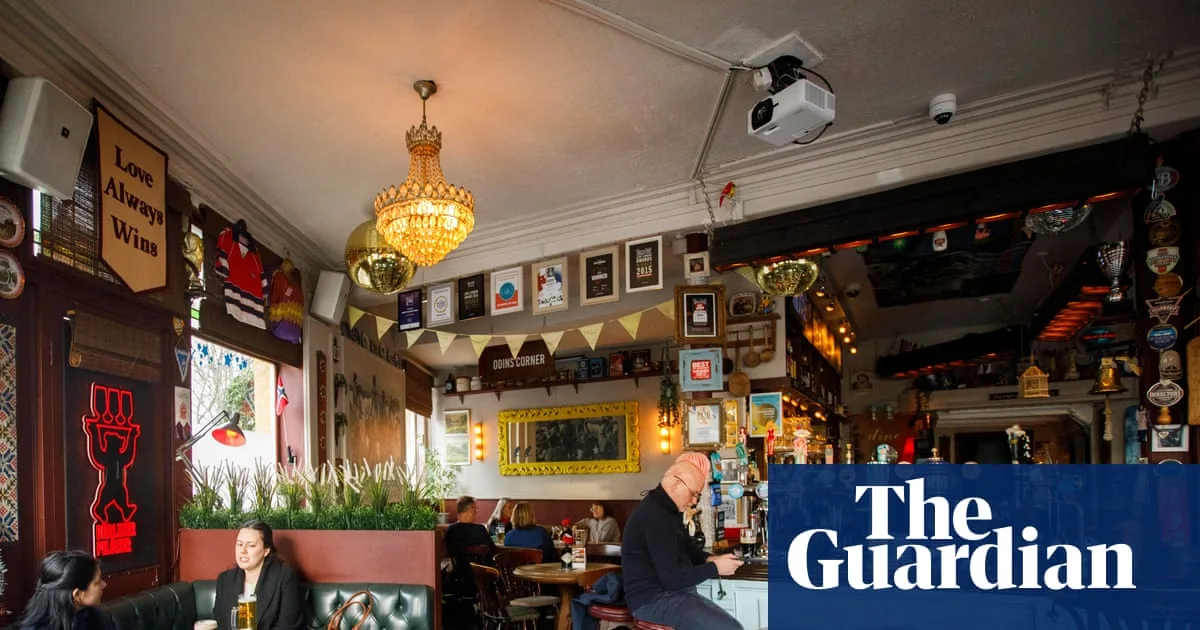
Present-day Elsdon, though a quiet backwater, was historically a crucial stop on the main route between Newcastle and Edinburgh. It is the most populous village within Northumberland National Park and serves as an excellent base for ramblers exploring the surrounding landscape. Visitors can enjoy food and drink at the Bird in Bush pub, which also offers accommodation, or at the Elsdon Tea Room and The Coach House, both providing refreshments and local information.