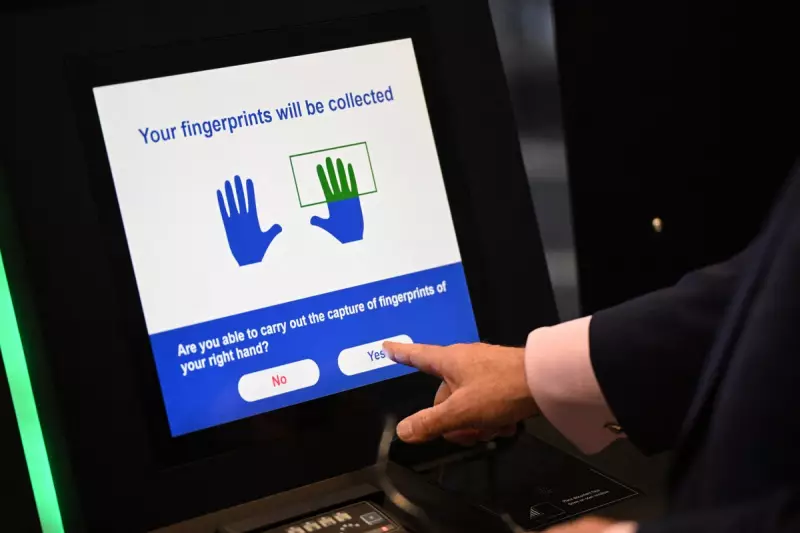
British citizens planning trips to Europe are set to encounter significant changes at the border from next year, as the European Union rolls out two major new security systems. The Entry-Exit System (EES) and the European Travel Information and Authorisation System (Etias) will alter the process for entering the Schengen zone, which includes popular destinations like France, Spain, Italy, and Greece.
The Entry-Exit System (EES): Biometric Checks Begin
The first major change is the introduction of the Entry-Exit System (EES). The EU launched this scheme on 12 October 2025. For UK travellers, full implementation is expected by April 2026.
This digital system will require British passport holders to submit to biometric registration upon their first entry into the Schengen area after it becomes operational. The process involves:

- Recording fingerprints.
- Taking a facial scan.
- Logging the date and place of entry and exit.
The data will be collected at border control points, meaning travellers should anticipate potentially longer queues, especially during initial implementation. The EES is designed to enhance security, combat irregular migration, and automatically track compliance with the 90-day visa-free limit for short stays.
The Etias Travel Permit: A New Requirement for UK Visitors
Following the EES, the EU will introduce the European Travel Information and Authorisation System (Etias). This is an online travel permit, similar to systems used in the United States and elsewhere.
The timeline for Etias is directly linked to the EES rollout. Authorities estimate it will be introduced around six months after the EES implementation is complete, pointing to approximately October 2026. Crucially, there will then be a grace period. It is not expected to become mandatory for UK visitors until about six months after its introduction, around April 2027.
Key details about the Etias include:
- It will cost €20 per application.
- Once approved, it will be valid for three years or until the passport expires.
- The fee will be waived for travellers under 18 and over 70.
The authorisation is obtained via an online application ahead of travel and is linked to the traveller's passport.
What This Means for Your European Travel Plans
These twin systems represent the most substantial shift in border procedures for British holidaymakers and business travellers since Brexit. The primary aims are bolstered security and more efficient monitoring of border crossings.
For the travelling public, the main practical implications are clear:
From April 2026, allow extra time for border checks when entering the Schengen area to complete the new biometric registration. Then, from around April 2027, remember to apply for your Etias authorisation online before you travel, ensuring it is valid for your entire trip. Planning ahead will be more important than ever to ensure smooth journeys to Europe.