Navigating unfamiliar cities presents significant challenges for travellers, from deciphering foreign languages to battling through crowds of tourists. However, some destinations prove particularly perplexing when it comes to finding your way around key attractions. Recent analysis has identified which European landmarks cause the most confusion for visitors, highlighting where advance planning could save precious holiday time.
The Navigation Challenge at Popular Sites
Travel specialists at SIXT conducted comprehensive research examining fifty of Europe's most visited landmarks. Their investigation uncovered where holidaymakers face the greatest likelihood of becoming disoriented. The study reveals that while famous attractions remain central to many travel itineraries, factors including severe congestion, overwhelming crowds, and unreliable mobile connectivity frequently make navigating Europe's premier destinations more demanding than anticipated.
Top Ten Hardest-to-Navigate European Landmarks
Here is the definitive rundown of the continent's most challenging tourist spots for navigation, based on the latest research findings.

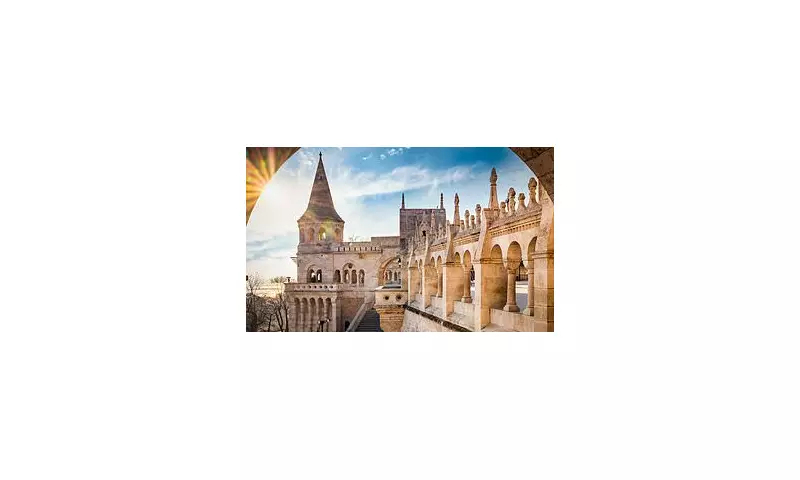
1. Fisherman’s Bastion, Hungary
Fisherman’s Bastion in Budapest emerges as the most problematic landmark for visitor navigation. Fresh data indicates this Hungarian attraction is anticipating a substantial surge in visitors, with Google searches for the site increasing by a remarkable 148 percent over the last quarter. However, its elevated congestion levels mean drivers approaching the landmark can expect difficult journeys plagued by frequent traffic jams.
2. Blue Mosque, Turkey
The Sultan Ahmed Mosque, universally known as the Blue Mosque, secures second position. This magnificent Ottoman-era imperial mosque in Istanbul presents significant navigation difficulties, with the city's 41 percent congestion level creating particular challenges for those attempting to reach the site by car.
3. Hagia Sophia, Turkey
Another Istanbul landmark, the world-renowned Hagia Sophia, claims third place. While drawing enormous crowds annually, visitors face dual obstacles: the city's 41 percent congestion level combined with notably slow mobile download speeds, making digital navigation assistance unreliable when attempting to locate this historic site.
4. Louvre Museum, France
Paris's Louvre Museum, home to iconic artworks including Leonardo da Vinci's Mona Lisa, presents unique navigation challenges due to its immense scale. The museum's vast, maze-like layout can confuse even prepared visitors, with comprehensive exploration requiring several hours to navigate just a portion of the extensive galleries.
5. Buda Castle, Hungary
Returning to Budapest, the labyrinthine cave system beneath Buda Castle Hill represents another navigation hotspot. This extensive network of underground tunnels and chambers naturally branches in multiple directions, creating confusion for those exploring the historic Buda Castle District according to research findings.
6. Big Ben & Houses of Parliament
London's iconic Big Ben and Houses of Parliament, among the capital's premier tourist attractions, rank sixth for navigation difficulty. With London's congestion level measured at 32 percent, vehicular access proves particularly challenging for visitors attempting to reach these Thames-side landmarks.
7. Tower of London
Another London landmark, the historic Tower of London, follows closely in seventh position. Similar to other central London attractions, it suffers from the city's 32 percent congestion level, significantly complicating navigation for the substantial crowds it attracts annually.
8. Buckingham Palace
Buckingham Palace presents comparable challenges within the capital. The royal residence's immense popularity inevitably draws large visitor numbers, while London's consistent 32 percent congestion level creates additional navigation hurdles for those hoping to view the monarch's official London home.
=9. St. Peter’s Square, Vatican City
St. Peter's Square in Vatican City shares ninth position. This magnificent plaza before St. Peter's Basilica, while breathtakingly beautiful, proves difficult to navigate effectively, a situation exacerbated by its 33 percent congestion level within the compact papal enclave.

=9. Old Town Square, Czech Republic
Prague's Old Town Square completes the top ten, tying for ninth place. Characteristic of historic European centres, its labyrinth of winding cobbled streets and narrow alleyways naturally confuses visitors. With a 39 percent congestion level and consistently high visitor numbers, those exploring this Czech landmark can anticipate busy thoroughfares and potential queues.
Planning Ahead for Smoother Travel
The research underscores that while Europe's landmarks offer unforgettable experiences, their popularity often creates navigation obstacles. Congestion, complex layouts, and connectivity issues frequently transform straightforward visits into challenging expeditions. For travellers targeting these destinations in 2026 and beyond, thorough advance planning regarding transport options, timing, and alternative navigation methods could prove invaluable for maximising holiday enjoyment while minimising frustration.