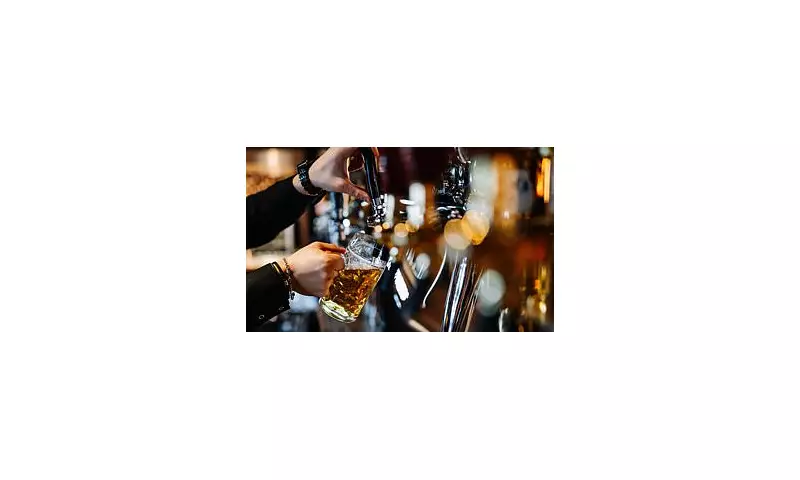
The annual tradition of Dry January is posing a serious threat to Britain's already struggling pubs, with industry figures warning it could deliver a fatal blow to thousands of venues. This comes as new data reveals an alarming rate of permanent closures across the sector.
A Sector Under Siege: Soaring Costs and Closures
According to analysis from global tax firm Ryan, the UK lost an average of one pub every day in 2025. Over the past five years, almost 2,000 pubs have shut their doors for good. The total number of pubs operating in the UK has now fallen to 38,623, a significant drop from over 40,600 in 2020.
Industry leaders point directly to the Chancellor's November Budget, which they say has piled immense pressure on the sector. Key pressures include:

- Business rates set to rise by an average of 76% for pubs, with hotels facing increases of more than 100%.
- Another jump in the minimum wage, which will see the rate for 18 to 20-year-olds increase by 8.5% to £10.85 an hour.
"The main problem going into this January is less about traditional cutting back for health reasons and more that the costs of running businesses are going up and up and up," Allen Simpson, chief executive of UKHospitality, told the Telegraph.
Dry January Risks Creating 'Ghost Towns'
Compounding these structural issues is the popularity of Dry January. A YouGov poll indicates that one in ten adults plans to avoid alcohol this month, raising fears that some landlords will not survive the traditionally quiet period.
London pub operator Clive Watson warned that the trend risks turning pubs into ghost towns, stating it is vital 'to make sure the pub doesn’t become a no-go zone'.
Emma McClarkin of the British Beer and Pub Association has urged customers to continue visiting their local even if they are skipping alcoholic drinks, highlighting the importance of community support.
Jobs Lost and a Call for Action
The human cost of the crisis is stark. Since Labour took office in July 2024, payroll tax data shows nearly 120,000 jobs have been lost from the accommodation and food sector. Geographically, the East Midlands has been hardest hit, suffering a net loss of 69 pubs.
Alex Probyn of Ryan said: "This data should serve as a wake-up call. It reflects deep structural pressures on pubs. Many survived the pandemic through resilience and community support, only to be pushed to the brink by rising costs."
The Treasury has defended its support for the industry, pointing to a £4.3 billion support package announced in the Budget. A spokesman claimed that without this intervention, pubs would have faced a 45% increase in bills next year, but the support has limited the rise to just 4%.