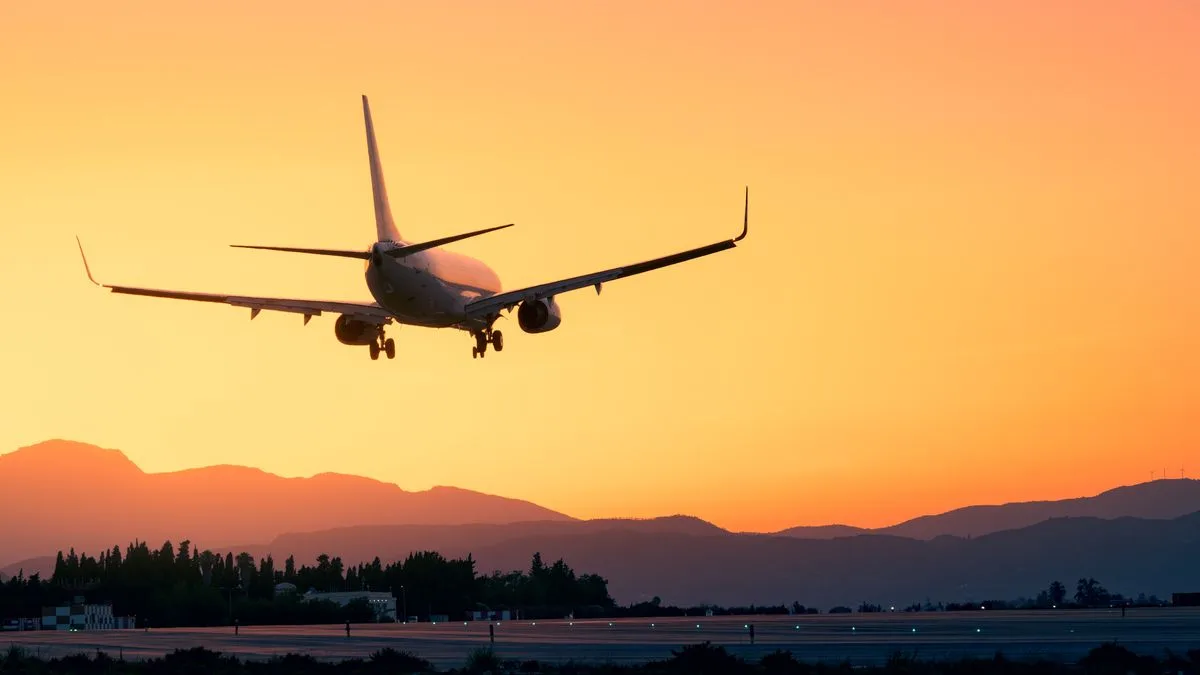
A viral travel hack designed to help passengers avoid dreaded middle seats on flights has ignited a fierce debate online, with many criticising the method as selfish and potentially costly for everyone.
The 'Block 10 Seats' Technique Explained
The controversial strategy was detailed in a TikTok video by travel specialist Jorden Tually (@jordentually) in late December 2025. It targets the common practice among low-cost carriers of automatically assigning middle seats to passengers who opt for random seat allocation, often to incentivise paying extra for a preferred window or aisle spot.
Tually's method involves a multi-step process. First, during online check-in, you identify how many undesirable middle seats remain available on your flight. In his demonstration, he found 10 middle seats free. The next step is to go to the airline's website and simulate booking those exact seats under fake passenger names.
"I go straight to the website and pretend to buy 10 more middle seats," Tually explained, suggesting users can simply enter "a bunch of letters" for the names. By proceeding to the seat assignment page, selecting all those middle seats, and clicking 'continue', the airline's system temporarily reserves them, typically for 10 to 15 minutes.
This brief holding window is the key. The passenger then immediately completes their own genuine check-in. Because the system has those middle seats on hold, it cannot assign them, theoretically forcing it to allocate a preferable window or aisle seat instead. Tually claims the tactic, best done on a computer close to check-in time, is "100% successful when done correctly."
Passenger Backlash and Potential Consequences
While some viewers praised the ingenuity, a significant wave of criticism quickly followed, highlighting several negative repercussions.
Many argued the hack exploits the booking system to the detriment of other travellers. One pointed out: "If this does work, everyone will now try it, freezing up loads of seats and could stop genuine people wanting to book that flight." Another added it could delay flights as staff wait for phantom bookings to clear.
The most cited concern revolves around dynamic pricing. Airlines frequently adjust ticket prices based on real-time demand. By making the system believe 10 extra seats are sold, the hack could artificially inflate the cost for all subsequent buyers.
"Don't you know about airlines' dynamic pricing??" questioned one commenter. Others estimated the practice could "spike up cost by 10-20%" or even "raise the price of your ticket by 50%." Critics warn that widespread use of such hacks would ultimately lead to higher fares for everyone as airlines seek to mitigate the impact.
A Question of Travel Ethics
The debate ultimately centres on travel ethics and the unintended consequences of gaming airline systems. Proponents see it as a clever workaround against carriers that charge extra for basic comfort. Opponents view it as a selfish act that disrupts operations, penalises other passengers, and could contribute to broader price increases.
As the technique continues to circulate on social media platforms like TikTok and YouTube, it poses a clear dilemma for cost-conscious travellers: is securing a better seat worth the potential ripple effect on fellow passengers and the overall market?