Balearic Tourism in Crisis as Visitor Numbers Plummet
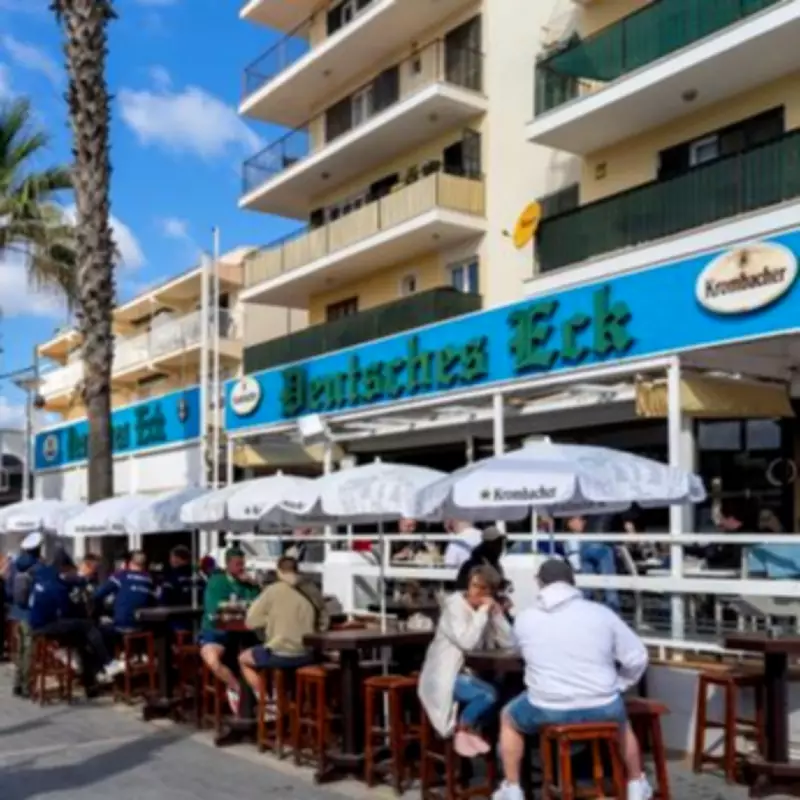
Tourism bosses in Spain are expressing deep concern over a significant downturn in the hospitality industry, describing the start of the year as 'disastrous' for the Balearic Islands. This archipelago, renowned for its popular destinations such as Majorca, Ibiza, and Menorca, experienced an 8.83% decline in international visitor numbers during January alone. The drop has left many locals questioning where their customers have gone, with restaurant bookings also showing a worrying decrease attributed to rising prices throughout 2025.
Restaurant Industry Hit Hard by Falling Footfall
Across the Balearic Islands, restaurant footfall decreased by 3% over the course of 2025. While this percentage might appear modest, the tight profit margins inherent in the hospitality sector, combined with the islands' heavy reliance on tourism, mean that even slight reductions can have a substantial economic impact. Data analysts have linked the decline in customer numbers to escalating prices on the islands, noting that in more affordable mainland regions like Castile-La Mancha and Extremadura, restaurant patronage actually increased.
Juanmi Ferrer, president of the CAEB Restaurants Association, which represents island outlets, remarked that the year began with a 'disastrous January' and predicted 2026 would be 'like last year, or at most a little worse'. He explained, 'The last thing a restaurant owner wants is to raise prices, because that means fewer customers. This year we'll try to absorb those extra three to four percentage points of inflation as much as we can.'

British Tourists Shift Away from Traditional Hotspots
At the World Travel Market in London, Ibiza's Tourism Minister, Jaume Bauza, acknowledged declining visitor numbers, revealing that 20,000 fewer British tourists visited the famous party destination during the 2025 peak season compared to the previous year. Industry experts suggest this decline may reflect holidaymakers deliberately shifting their travel dates to October and November to capitalise on more affordable rates, indicating a broader trend of Brits ditching the Balearics for other hotspots.
This dip comes after several record years for tourism on the island chain post-Covid, when Brits and other Europeans flocked in huge numbers. However, concerns emerged during summer 2025 that certain Majorcan resorts had become 'completely dead'. Miguel PérezMarsá, chairman of the nightlife association, warned, 'The tourists we're interested in are being driven away; they don't feel welcome and are going to other destinations.' His comments came as thousands took to the streets in overtourism protests, highlighting local frustrations.
Measures to Tackle Overtourism Continue Despite Decline
Despite the alarming drop in numbers, the islands are proceeding with measures to address overtourism. Plans have been announced to reduce the number of daily cruise ship berths from 8,500 to 7,500 between June and September in Palma, Majorca. This change, to be implemented from 2027 to 2039, will result in fewer cruise ship passengers arriving. Under the new regulations, only three cruise ships would dock in Palma each day, with just one allowed to transport more than 5,000 passengers.
Additionally, the opposition party PSOE, a socialist party for the Balearic Islands, recently proposed capping visitor numbers across the islands at 17.8 million per year. However, this proposal was rejected, leaving the industry to grapple with the dual challenges of declining tourism and ongoing overtourism concerns.
Potential Solutions and Future Outlook
In response to the crisis, one option being considered is a restaurant voucher scheme, similar to a recent initiative that supported shops on the islands. The retail scheme provided all residents aged over 16 with four vouchers worth €15 each, usable on purchases of €30 or more to encourage local shopping. Such measures aim to stimulate the economy and support businesses struggling with reduced tourist numbers.

The analysis of consumer behaviour suggests that 'consumers have reached a price ceiling, which limits price increases in the most expensive areas and reinforces the idea of a restraint in real spending, even in areas traditionally less price-sensitive.' This insight underscores the delicate balance the Balearic Islands must strike between maintaining affordability and sustaining their tourism-dependent economy.