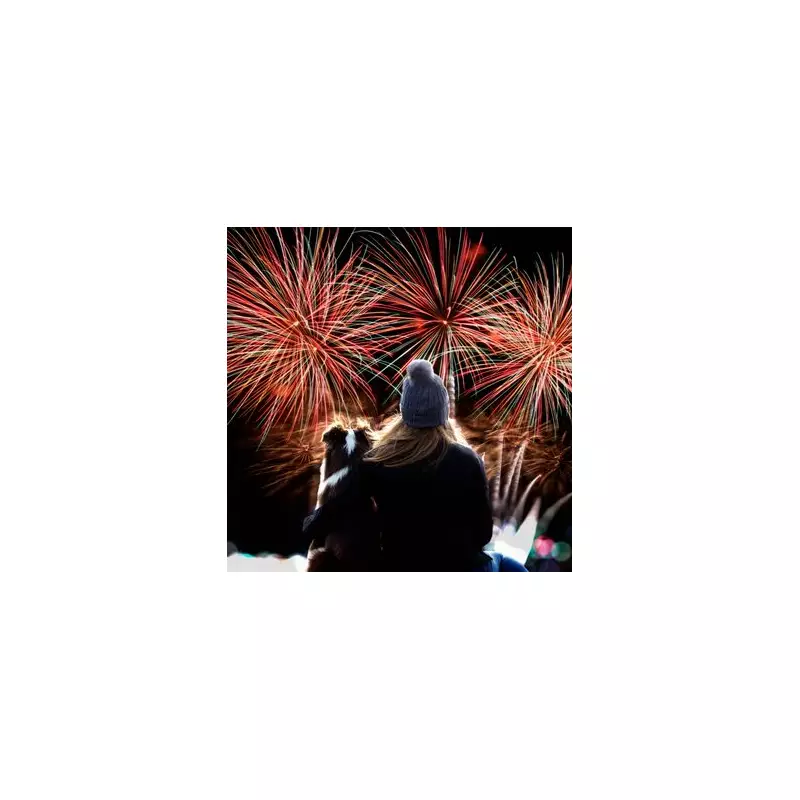
While Britons typically welcome the New Year with fireworks, a tipple, and a chorus of 'Auld Lang Syne', celebrations take a far more peculiar turn in other corners of the globe. Travel experts have unveiled a collection of the world's most extraordinary and unconventional customs to mark the occasion.
Fiery Farewells and Smashing Starts
Luggage delivery service My Baggage has highlighted eight distinctive traditions. In Ecuador, the stroke of midnight sees locals set fire to paper-stuffed scarecrows, known as 'año viejo' or 'old year'. These effigies, often modelled on politicians or pop culture figures, symbolise the burning away of the past year's misfortunes. For extra luck, some daring souls jump over the flames twelve times, once for each month.
Meanwhile, in Denmark, a cacophony of breaking crockery fills the air. It's not just the Greeks who enjoy this practice; Danes spend the year collecting unused plates to hurl at the front doors of friends and family on December 31st. The resulting pile of shattered porcelain is a badge of honour, symbolising strong friendships and warding off evil spirits for a fresh start.

Rituals for Prosperity and Purity
In the Philippines For spiritual cleansing, the Japanese practice Joya no Kane, where temple bells chime 108 times at midnight. This Buddhist ritual, dating back to influences from China's Song dynasty, is believed to cleanse the 108 human sins. Entering the New Year with laughter is also considered highly auspicious. In southern regions of Italy, a literal clean-out heralds the new beginning. The tradition involves hurling old furniture out of windows, symbolising the release of past unhappiness. Today, for safety, most people limit themselves to tossing small, soft items, but the sentiment of 'letting go' remains powerful. A similar theme of release is found in Argentina. Office workers in Buenos Aires originated the quirky custom of shredding old documents and tossing the confetti-like pieces from windows around midday on December 31st. Each scrap symbolises leaving behind the old year's business, experiences, and mistakes. In several South American nations like Mexico and Brazil, luck is dictated by underwear colour. The tradition, which some trace to ancient pagan customs, requires new undergarments: red for love, yellow for luck, white for peace, and green for wealth. Perhaps one of the most unusual customs belongs to Romania. On New Year's Day, farmers attempt to hold conversations with their livestock. A responsive cow or sheep is seen as an excellent omen for the year ahead, while being ignored by your animals is considered a portent of bad luck. Another Romanian tradition involves dressing as a bear and dancing to scare away evil spirits. These eight traditions showcase the diverse and often surprising ways cultures worldwide symbolise renewal, fortune, and the hopeful transition into a new beginning.Letting Go and Looking Forward