The Rise and Struggles of Nigeria's Digital Content Creators
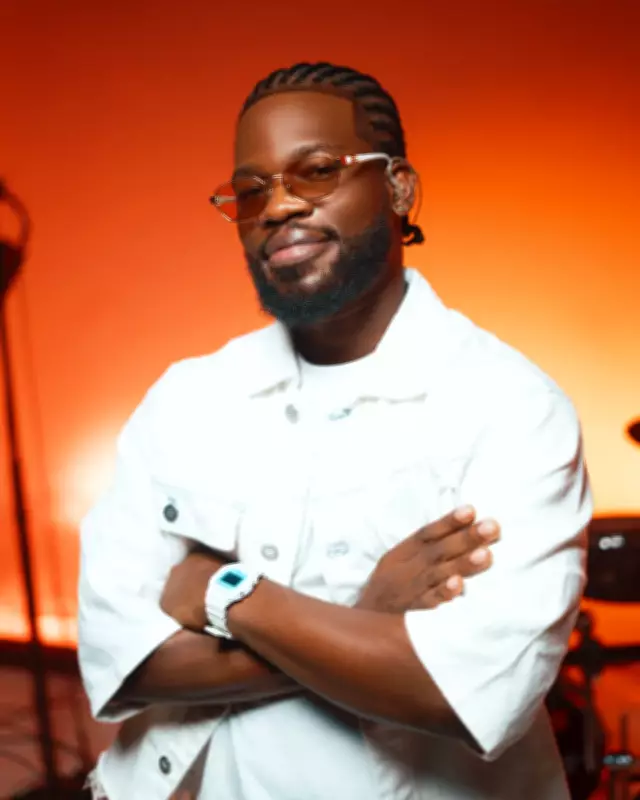
On a humid afternoon in Lagos, a comedy skit shoot unfolds with the intensity of a small film production. Dozens of professionals, including lighting assistants, sound engineers, and makeup artists, buzz around the set. At the centre is Broda Shaggi, born Samuel Animashaun Perry, a Nigerian comedian, actor, and songwriter who gained fame by publishing skits on social media. He directs the crew, rehearses lines, and performs caricatures, showcasing the serious business behind the viral memes.
From University Skits to a Multi-Million Follower Empire
Broda Shaggi's journey began at the University of Lagos, where he started uploading skits to social media platforms. Today, he boasts 11.9 million followers on Instagram, has released music, and crossed over into film and television work. At 32, he is a leading figure in Nigeria's vibrant ecosystem of social media creators, which includes skit-makers, YouTubers, TikTokers, podcasters, and streamers building audiences across Africa and the diaspora.
Olufemi Oguntamu, CEO of Penzaarville Africa, the media agency managing Broda Shaggi, emphasises the hard work involved. "He shoots like he's doing a movie," Oguntamu said. "He gets buses to take the crew around. They use drones. They use big cameras. It's serious business now ... people don't understand how difficult it is to keep up creating content every day because it has to be new content."

A Booming Market with Financial Challenges
According to the 2026 Africa Creator Economy Report, the sector is valued at $3.1 billion and projected to grow nearly six-fold to $17.8 billion by 2030. Nigeria is a key driver of this growth, yet many influencers report that their fame has not translated into financial comfort. Beneath the headline numbers lies a stark reality: more than half of Africa's creators earn less than $100 a month.
Platforms generate less advertising revenue in Africa compared to other regions, resulting in lower payments to creators. Consequently, many rely on family, friends, and brand partnerships for income. Over a third view their jobs as hobbies, partly due to operational challenges like unstable power supply and limited access to funding.
Calls for Government Support and Policy Changes
David Adeleke, CEO of the newsletter Communique, which co-authored the Africa Creator Economy Report, highlights the lack of public capital for digital creators in Nigeria. "In Nigeria, public capital is not readily available to digital creators ... it doesn't exist," Adeleke said. "A lot of the public capital that we find goes to filmmakers and infrastructure players, people building physical spaces."
Adeleke suggests implementing policies similar to the UAE's renewable 10-year golden visa, which allows creators to live and work tax-free. "One of the biggest problems that Nigerian creators have is the shortage of monetisation systems. We need policies that specifically focus on encouraging international companies to come into Nigeria to enable local creators to monetise their content globally."
Government Ambitions and Creator Demands
The Nigerian government hopes the creative economy can help diversify its oil-dependent revenues. Currently, there is no specific creator tax, but those earning more than 50 million naira a year are taxed up to 25% as part of a bracket for freelancers and remote workers. In January, the third African Creators Summit in Lagos drew thousands of content creators, with speakers calling for more supportive policies instead of immediate taxation.
Discussions also focused on dismantling bureaucracy and updating legislation for federal agencies regulating the sector. Some creators accuse the government of attempting to censor online content under the guise of combating misinformation and disinformation.
Challenges Beyond Monetisation
Beyond financial struggles, creators face issues like intellectual property theft and AI cloning. Experts stress the need for coordination between regulators and global tech firms to protect creators. Government officials express willingness to engage but are uncertain about whom to collaborate with due to the existence of multiple creator unions.

Baba Agba, an adviser with the ministry of art, culture, tourism, and creative economy, stated at the summit: "The sector needs to come together and say, this is what we want ... and they need to want to work with us, too." Oguntamu agrees, noting the lack of a unified voice among unions. "I've seen a lot [of unions], but none has weight ... maybe that's why we're not being taken seriously yet by the government. Because we don't have one voice."
He emphasised that productive meetings with the government should focus on providing an "enabling environment," including reducing internet data costs. "As long as we have [that] enabling environment, every creator can thrive," he said. "A lot of content creators who are big now resort to only shooting interior content because, when they go outside, every [street urchin] wants a piece of them ... if you are abroad and you are shooting content, it's so different."