Estonia Opens 20km 'Ice Road' Across Frozen Baltic Sea
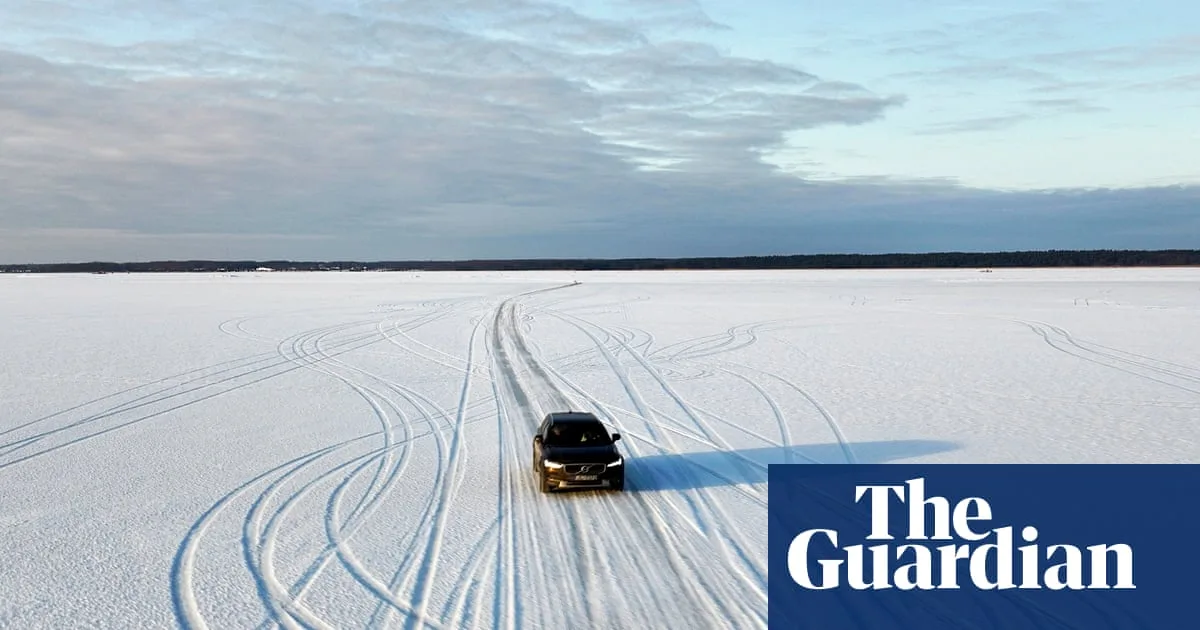
A prolonged period of exceptionally cold weather in Northern Europe has enabled the opening of a remarkable 20-kilometre 'ice road' across the frozen Baltic Sea, connecting Estonia's two largest islands. The temporary route links the islands of Hiiumaa and Saaremaa, providing a vital winter crossing for local residents after ferry services were disrupted by the extreme conditions.
Necessity and Culture Drive Ice Road Opening
Authorities officially opened the ice road on Sunday, following reports that local residents had already begun spontaneously driving across the frozen sea, exposing themselves to significant risks. The decision came after weeks of temperatures plummeting to -10°C (14°F), which made regular ferry operations challenging. For the approximately 9,000 inhabitants of Hiiumaa, the route offers essential access to Saaremaa, which has a population of around 31,000, for shopping, school runs, and social visits, as well as a connection to mainland Estonia.
Hergo Tasuja, the mayor of Hiiumaa, emphasised that while the opening was driven by necessity, it also represents a deep-seated cultural tradition. "For generations and generations, local people who live here, especially those who live near the sea, swim and use boats in the summertime," Tasuja explained. "And in winter, it's in their blood to go to the sea and step out on the ice."
Rigorous Preparation and Strict Safety Protocols
The 'ice road' is essentially a carefully marked corridor on the frozen sea, where specialists have determined the ice is sufficiently thick to support the weight of vehicles. Marek Koppel, a road maintenance supervisor at Verston Eesti, the Estonian construction company responsible for building and managing the road, highlighted the complexity of the preparation process.
Workers must measure ice thickness every 100 metres to identify areas with more than 24 centimetres of ice, the minimum required for safety. They smooth over ridged ice and cracks, and weather conditions along with ice solidity are monitored around the clock, with the route adjusted as necessary.
Strict driving regulations are enforced to ensure safety. Vehicles cannot exceed 2.5 tonnes in weight and must maintain specific speed limits: either below 20 km/h (12.4 mph) or between 40 and 70 km/h (25 and 43 mph). Speeds in between these ranges are prohibited as they can create vibrations that damage the ice. Cars are not permitted to stop and must keep a safe distance from one another. In a critical safety measure, passengers are not allowed to wear seatbelts, and doors must remain easy to open to facilitate a rapid exit in the event of an accident.
First Ice Road in Eight Years and Future Expansions
According to Mayor Tasuja, this is the first time an ice road has connected the islands in eight years, as recent winters have been too warm to support such a crossing. The experience has been positive for some drivers, such as Alexei Ulyvanov from nearby Tallinn, who travelled to the islands specifically to show his children that driving a car over the sea is possible. "The road was pretty good, it was easy to ride," Ulyvanov remarked.
Looking ahead, Verston, the construction company, has announced that authorities have contracted them to open two additional ice routes this week. These new routes will link mainland Estonia to two smaller islands, further expanding winter transport options in the region.
The opening of the ice road underscores the adaptability of communities in harsh climates and highlights the intersection of practical necessity with cultural heritage in Estonia's winter landscape.