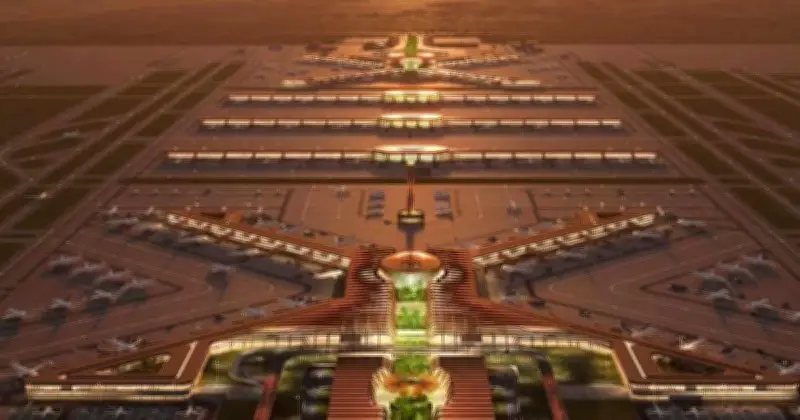
The Bishoftu International Airport (BIA) in Ethiopia is set to become the largest airport in Africa once completed, with a projected cost of £9.1bn and a target capacity of 110 million passengers per year at full development.
Project Overview
The colossal transport infrastructure project is underway near the town of Bishoftu, about 25 miles from the capital, Addis Ababa. It was launched partly to alleviate pressure on the nearby Addis Ababa Bole International Airport, which has already been expanded. The new hub would also markedly boost the nation's tourism opportunities.
Zaha Hadid Architects (ZHA) is leading the design of the vast project. State-owned Ethiopian Airlines is responsible for around 30% of the funding, with the rest set to come from other sources, including international lenders.
Construction and Funding
The official groundbreaking ceremony took place on January 10, marking the beginning of preliminary construction works. Reporting on the event, Reuters said the project was initially set to cost $10 billion in total (around £7.4bn), but by January it was put closer to $12.5 billion (around £9.1bn). Qatar's Civil Aviation Authority suggested it could be as much as $12.7 billion (£9.2bn) at the time.
In late July, a senior US Commerce Department official said Washington was keen for American companies to be involved in the project, Reuters reported. This comes as the US and China continue to jostle for influence in infrastructure projects in Africa.
Phased Development
The plan is for the new travel hub to be built in phases. The initial goal is for it to accommodate 60 million passengers per year by 2030. That alone would put BIA well ahead of rival airports in Africa in terms of the number of passengers they can handle annually.
OR Tambo International Airport in Johannesburg, South Africa, is often described among Africa's biggest airports, handling some 28 million passengers per year. Cairo International Airport (CAI) is also among the continent's biggest and busiest flight hubs, with around 26 million passengers per year.
The African Development Bank (AfDB), a major lender involved in the project, said the aim is "ultimately scaling up to 110 million at full development in later phases." The plan is for it to eventually have four runways.
Connectivity and Amenities
The airport will also be connected via a 38 km (23.6-mile) railway to both the capital and Bole International Airport, Railway Gazette reports. In addition to the runways and terminals, the works may eventually include the construction of hotels, shopping malls, as well as commercial complex buildings, previous reports suggested. The first phase is planned to be completed by the end of the decade.