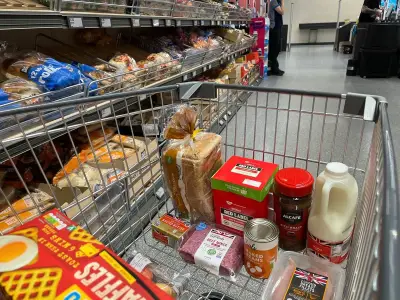
Nemiroff, Ukraine's largest spirits export brand, has reported a 24% increase in UK sales to £6.25 million last year, despite production difficulties caused by the ongoing war. The vodka is still reaching major UK retailers including Tesco, Sainsbury's, Waitrose and the Co-op, according to chief executive Yuriy Sorochynskyi.
Speaking about the challenges, Sorochynskyi said one of the brand's shipping containers holding 17,000 bottles was hit by bombing at the port of Odesa late last year, and a supplier's shipment was also recently struck. 'This is now business as usual,' he said.
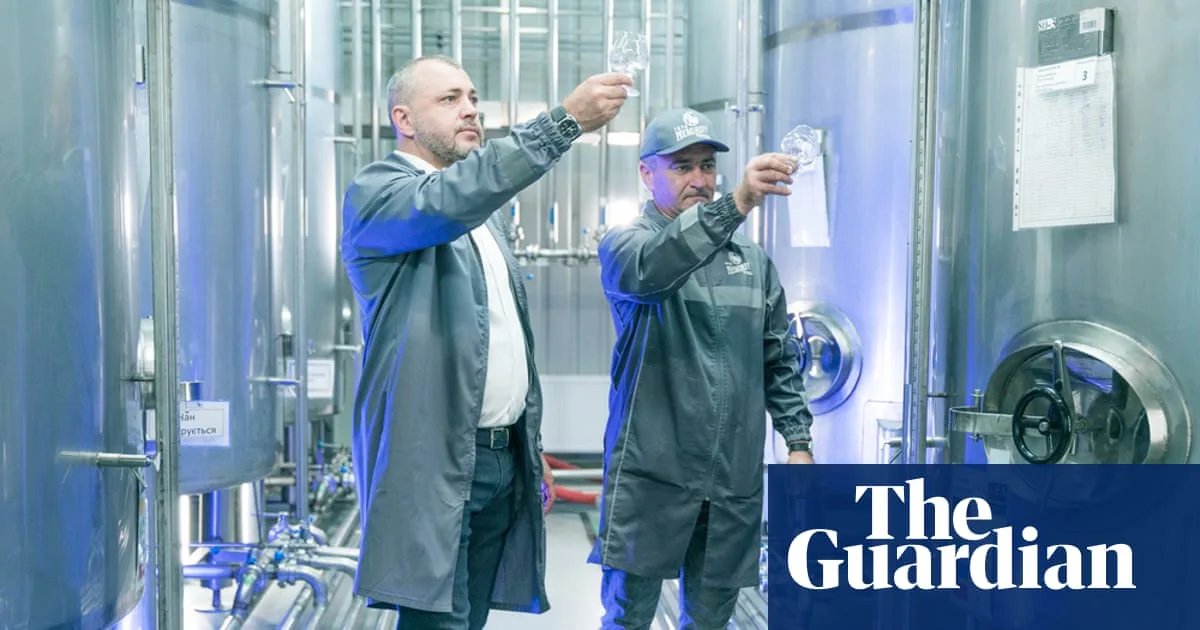
Since Russia's full-scale invasion in February 2022, Nemiroff has adapted by buying a gas generator to keep production going amid attacks on power stations, and relocating its bottle top supplier after its facility near the Russian border was hit by a missile. The company has also provided bottling facilities for competitors to support Ukrainian businesses.
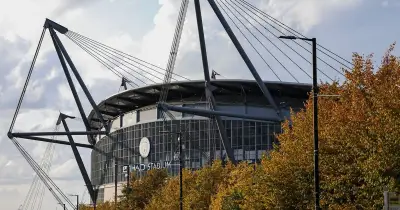
Nemiroff has sponsored heavyweight boxing champion Oleksandr Usyk and partnered with Premier League clubs Aston Villa, Fulham, West Ham and Everton. In October, it returned to the duty-free market with products at Heathrow and Gatwick airports.
The brand ceased sales in Russia immediately after the invasion, terminating a licensing agreement that had made it one of its biggest markets. Global sales have partly recovered from 2.4 million cases in 2022 to 4.4 million cases this year, driven by Ukrainian demand and expanding exports to the West.
To cope with port attacks, Nemiroff has shifted to truck shipments and is exploring railway routes, with new lines to Hungary, Slovakia and Poland opening or planned. Sorochynskyi noted that businesses in Ukraine are 'not sitting and waiting for the war to end' but are actively working to expand despite the harsh realities of conflict.