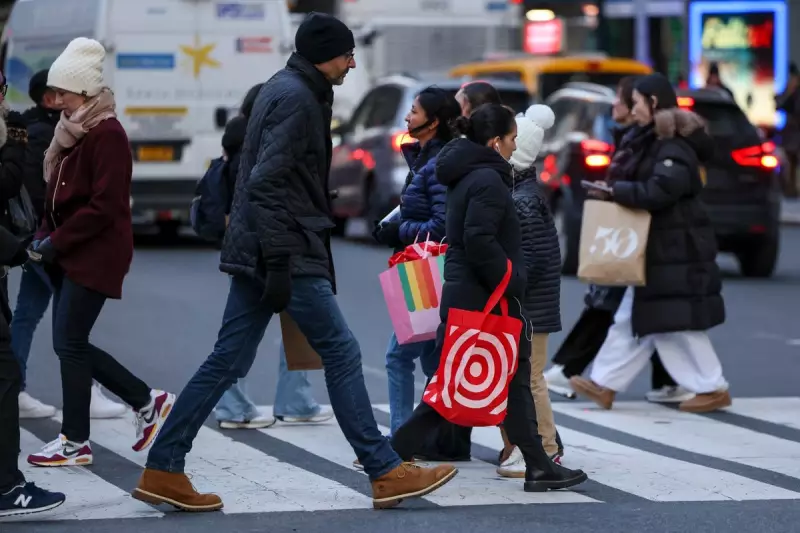
As the festive season reaches its peak, a familiar conflict plays out in the minds of UK shoppers. Despite widespread intentions to make sustainable choices, annual spending on fast fashion in Britain has surged to billions of pounds, demonstrating powerful year-on-year growth. The Christmas period, with its potent mix of discounts and seasonal pressure, has become a key battleground where ethical resolutions often fall to the wayside.
The Paris Protest: A Visible Ethical Flashpoint
This contradiction was thrown into sharp relief in November 2025, when the ultra-fast fashion giant Shein opened its first permanent shop within the iconic BHV department store in Paris. The event drew large crowds eager to enter, while simultaneously attracting protesters who gathered outside brandishing signs and chanting over the company's environmental, social, and governance (ESG) record.
The controversy deepened as several other brands with retail space in BHV announced plans to withdraw in protest. Furthermore, the rollout of new Shein stores across France faced delays. The French government also intervened, demanding controls like age verification on parts of Shein's online platform amid investigations into prohibited items.

A Shein spokesman, made aware of the problematic products in November, stated the company took the matter "extremely seriously" and disabled the section of its site where third-party sellers operated. Shoppers who entered the Paris store encountered another point of contention: prices were higher than those found online, fuelling further debate about transparency and the wider environmental and labour issues linked to fast fashion.
The Psychology of the Festive Purchase
So, what makes Christmas such a potent driver for fast fashion sales? Experts point to specific psychological dynamics that help consumers quiet their environmental guilt. Research indicates shoppers frequently employ moral excuses, such as believing 'everyone else is doing it' or that the harm is distant, to justify their purchases.
This is compounded by temporal discounting, where the immediate enjoyment and low price outweigh consideration of long-term environmental damage. Shein's model, which turns digital trends into physical products within days, offers instant gratification. The future consequences of waste and emissions feel psychologically remote at the moment of clicking 'buy'.
A Shift in Global Fashion Power
The protests in Paris signify more than just another ESG dispute. For decades, fast fashion has relied on global supply chains with poor worker protections, a reality highlighted by tragedies like the 2013 Rana Plaza collapse in Bangladesh, which killed 1,134 garment workers.
What distinguishes the current Shein controversy is the challenge it poses to the traditional balance of power in fashion. For much of the past century, European companies dominated. Now, Shein's algorithm-driven, hyper-responsive model is disrupting that hierarchy. Its success in a global fashion capital like Paris would mark a significant step in its expansion and test its acceptance beyond an online audience.
In statements addressing criticism, Shein has said it is "actively working to improve our suppliers’ practices" regarding working conditions and that its use of AI has reduced waste in production. Nevertheless, the tension remains between its compelling affordability and the escalating ethical and environmental concerns voiced by consumers, regulators, and activists alike.