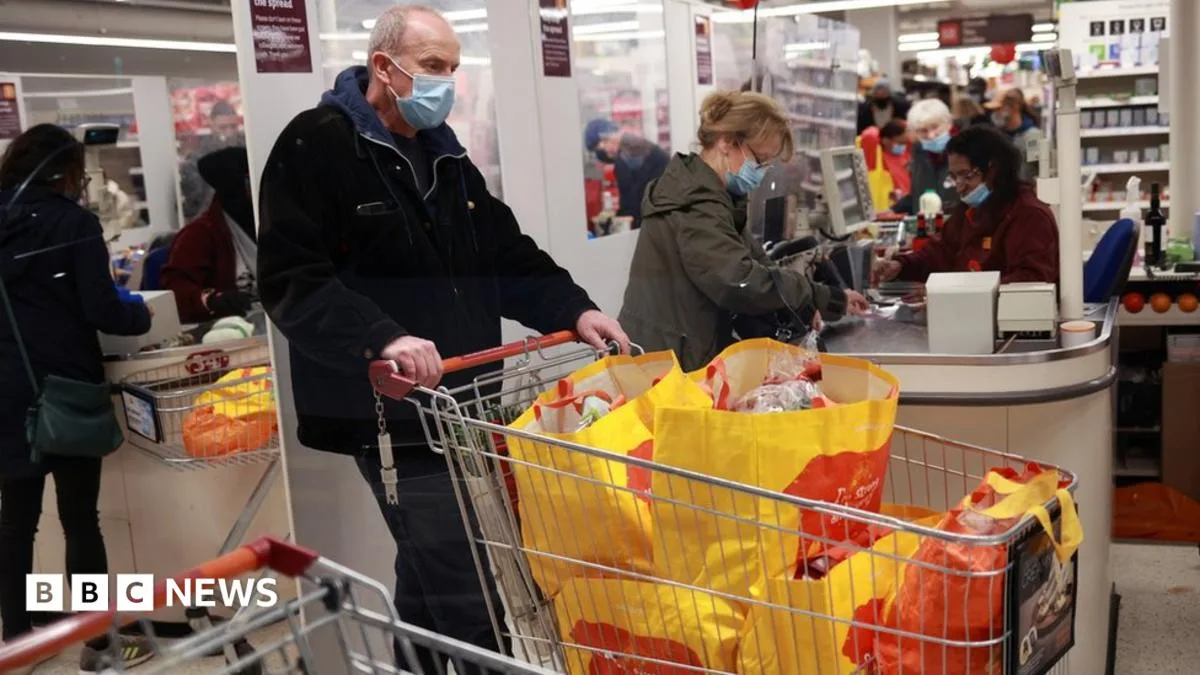
Sainsbury’s has become the latest major supermarket to launch an Aldi price-match scheme, intensifying the ongoing price war among UK grocers. The move follows Tesco, which introduced its own Aldi price-match in March 2020 and expanded it to around 500 products in September.
The UK’s second-largest supermarket chain will cut prices on 250 popular items including meat, chicken, fresh fruit, vegetables and dairy to match those of the German discounter. Sainsbury’s said the initiative “will help shoppers who are working hard to balance budgets”.
The price match is the first part of chief executive Simon Roberts’ “Food First” plan, announced in November, to put food back at the heart of the business. “We are making great progress delivering our Food First plan and I’m determined that in these tough times, we do even more to help our customers save money,” he said.

The price war comes amid political pressure on supermarkets, with rumours that Chancellor Rishi Sunak is considering a levy on “excess profits” made during the pandemic. However, supermarkets argue that while people are buying more food to eat at home, they are making less money due to a shift from profitable convenience stores to less profitable online shopping, which incurs higher delivery and staffing costs.
The latest price cuts will squeeze profit margins already between 2-4%. However, the move to online has benefited traditional supermarkets as Aldi’s smaller online offering has left it unable to capitalise on booming home delivery demand. Figures from Kantar for the 12 weeks to 24 January showed Aldi sales grew just 5.7%, compared with 12.2% growth across the UK grocery market.
In response, Aldi pointed out that consumer group Which? found Sainsbury’s to be over 31% more expensive than Aldi. An Aldi spokesperson said: “Shoppers know that the only place you can get Aldi prices is at Aldi.” Lidl, meanwhile, avoids price-drop campaigns in favour of low prices and was named cheapest supermarket in 2020 by Which?