Seafood Chains Sink as Americans Cut Spending and Sales Plummet
Seafood restaurant chains are the latest casualties in a wave of dining establishments struggling to survive as American consumers tighten their budgets and sales continue to decline sharply across the industry.
Joe's Crab Shack Suffers Dramatic Collapse
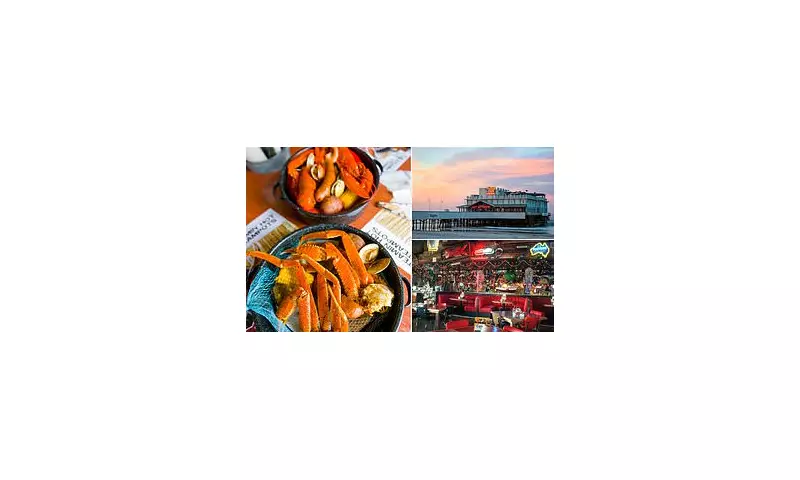
Joe's Crab Shack represents the most recent high-profile failure in this sector. The once-popular chain has been reduced from approximately 150 locations to merely 14 remaining restaurants – representing a staggering near-90 percent collapse that mirrors the similar decline experienced by competitor Red Lobster.
The Jacksonville, Florida location will be converted by parent company Landry's into a Bubba Gump Shrimp Company restaurant on January 24, marking another step in the chain's contraction.

'We are grateful to our dedicated Joe's Crab Shack team members and will be working to place employees at nearby restaurants while we transition the location to a Bubba Gump Shrimp Co,' stated Terry Turney, Chief Operating Officer of Joe's Crab Shack.
Historical Context and Industry Parallels
This fate mirrors another Landry's brand, the steak restaurant McCormick & Schmick's, which found itself reduced to just 13 locations earlier this month. Joe's Crab Shack originated in Houston in 1991 as a beach-themed casual dining concept offering signature seafood boils, steam pots, and iconic items like fried shrimp.
The concept expanded significantly following Landry's acquisition in 1995 until its sale to JCS Holdings in 2006. JCS later rebranded as Ignite Restaurant Group and operated 122 Joe's Crab Shack locations before declaring bankruptcy in 2017. Landry's subsequently reacquired the chain, after which its footprint began shrinking rapidly alongside McCormick & Schmick's.
Recent Performance and Market Challenges
According to National Restaurant News, the chain performed even worse in 2024 than Red Lobster's infamous collapse, shutting down a third of its locations – from 30 to 20 – while sales plunged by 27.5 percent.
The menu has remained largely consistent over the years, with customers continuing to choose between crab prepared to their preference or coastal-style seafood boils packed with shellfish, sausage, corn, and potatoes. However, what has fundamentally changed is consumer behavior itself.
Broader Industry Pressures
A significant pullback in dining out during the pandemic, combined with more consumers preparing seafood at home, has placed substantial strain on the entire seafood restaurant industry. Additionally, the GLP-1 revolution has impacted restaurant dining as effective weight loss drugs grow in popularity, leaving Americans less inclined toward massive restaurant portions.
Today, only 14 Joe's Crab Shack locations remain across seven states for those seeking a steaming bucket of seasonal seafood. The chain may potentially claw back some success similar to Red Lobster's attempts at recovery.
Red Lobster's Costly Promotional Missteps
That iconic seafood chain encountered severe difficulties in 2024 after its widely publicized promotion – all-you-can-eat shrimp for $20 – became a permanent menu item. Raising the price to $27 failed to curb American appetites, with one customer reportedly consuming 108 shrimp in four hours and others joining in gluttonous consumption that cost Red Lobster's majority owner Thai Union approximately $11 million in just three months.
Remarkably, this represented the second time Red Lobster made this error, following a 2003 promotion for endless crab that resulted in $3.3 million in losses, depressed stock prices, and ended the tenure of its then-CEO.
Broader Restaurant Industry Struggles
Seafood establishments are not the only restaurant brands facing challenges in recent years. Coffee chains including Starbucks, which closed 400 locations during restructuring, and fast-food mainstays like Wendy's all experienced significant setbacks. Fast-casual brands such as Denny's, TGI Fridays, and Applebee's have similarly struggled to maintain their market positions amid changing consumer habits and economic pressures.