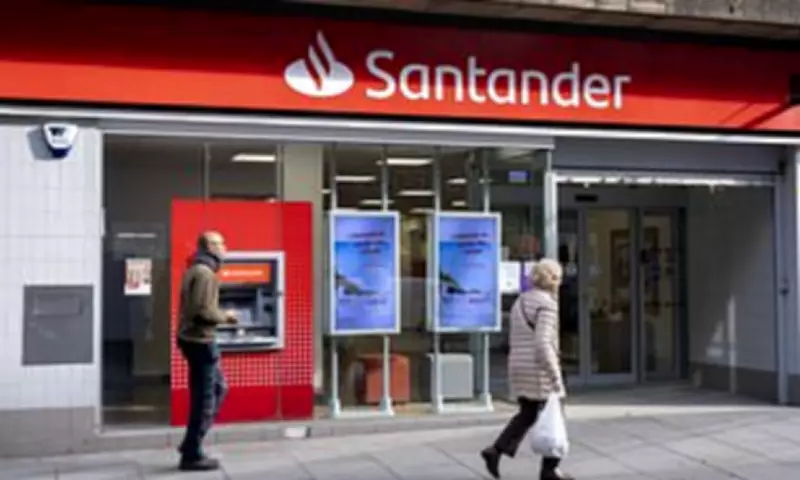
Santander has unveiled a significant restructuring of its physical store network, confirming plans to close 44 bank branches across the United Kingdom. This strategic move places 291 jobs at risk, as the banking giant responds to evolving consumer habits and a marked transition towards digital financial services.
Driving Forces Behind the Branch Closures
The bank attributes these closures directly to changing customer behaviour, with an increasing number of clients opting for the convenience of online and mobile banking platforms. This trend, accelerated in recent years, has led to a reduced footfall in traditional high street branches, prompting Santander to reassess its physical footprint to align with modern banking preferences.
Impact on Employment and Communities
The proposed closures will affect staff across the nation, with 291 positions now under consultation. Santander has stated it will work to find alternative roles for affected employees within the organisation where possible, aiming to mitigate the impact of these changes on its workforce.

Comprehensive List of Affected Branches
The closures are scheduled to take place between April 2026 and January 2027, affecting communities from Cornwall to County Down. The full list of branches earmarked for closure includes:

- Andover – 33 High Street, Hampshire – May 12, 2026
- Banbridge – 34 Newry Street, County Down – May 19, 2026
- Bangor – 64 Main Street, County Down – April 29, 2026
- Berwick Upon Tweed – 37 Marygate, Northumberland – April 28, 2026
- Bishop Auckland – 64 Newgate Street, County Durham – May 05, 2026
- Boston – 1 Wide Bargate, Lincolnshire – April 28, 2026
- Bridgend – 13 Adare Street, Mid Glamorgan – May 12, 2026
- Bridgwater – 18 Fore Street, Somerset – April 29, 2026
- Cwmbran – 11 North Walk, Gwent – May 13, 2026
- Enniskillen – 4 Church Street, County Fermanagh – May 12, 2026
- Evesham – 17 Bridge Street, Worcestershire – April 28, 2026
- Glengormley – 1-3 Farmley Road, County Antrim – May 06, 2026
- Golders Green – 640-642 Finchley Road, London – May 13, 2026
- Gosport – 128 High Street, Hampshire – May 05, 2026
- Haverfordwest – 37 Bridge Street, Pembrokeshire – May 05, 2026
- Heswall – 143-145 Telegraph Road, Merseyside – May 13, 2026
- Huntingdon – 44 High Street, Cambridgeshire – May 05, 2026
- Kirkintilloch – 45 Cowgate, Lanarkshire – April 29, 2026
- Leighton Buzzard – 1 Hockliffe Street, Bedfordshire – By end January 2027
- Leyland – 45 Hough Lane, Lancashire – May 06, 2026
- Liskeard – Barras Street, Cornwall – May 20, 2026
- Macclesfield – 10 Mill Street, Cheshire – May 12, 2026
- Mansfield – 9 Stockwell Gate, Nottinghamshire – May 06, 2026
- Melton Mowbray – 5 Nottingham Street, Leicestershire – April 29, 2026
- Merthyr Tydfil – 15 Market Square, Mid Glamorgan – May 06, 2026
- Mold – 31 High Street, Clwyd – April 28, 2026
- Newbury – 90 Northbrook Street, Berkshire – April 29, 2026
- Newton Abbot – 3-5 Queen Street, Devon – May 19, 2026
- Northallerton – 99/100 High Street, North Yorkshire – May 06, 2026
- Ormskirk – 2 Moor Street, Lancashire – By end January 2027
- Pontefract – 23 Market Place, West Yorkshire – May 05, 2026
- Ramsgate – 40 High Street, Kent – April 28, 2026
- Redditch – 14 Evesham Walk, Worcestershire – May 13, 2026
- Ringwood – 16 High Street, Hampshire – May 06, 2026
- Scunthorpe – 138 High Street, South Humberside – April 29, 2026
- Shirley – 223 Stratford Road, West Midlands – May 20, 2026
- Stafford – 1 Market Square, Staffordshire – May 19, 2026
- Stranraer – 30 George Street, Wigtownshire – May 13, 2026
- Stratford Upon Avon – 21 Wood Street, Warwickshire – May 12, 2026
- Tonbridge – 12 The Pavilion, Kent – April 29, 2026
- Welwyn Garden City – 60 Howardsgate, Hertfordshire – May 05, 2026
- Whitehaven – 22 King Street, Cumbria – By end January 2027
- Wilmslow – 39 Grove Street, Cheshire – By end January 2027
- Woking – Unit 38 The Peacocks, Surrey – April 28, 2026
Broader Context in UK Banking
This announcement forms part of a wider pattern within the UK banking sector, where institutions are increasingly consolidating their physical networks in favour of digital investment. The shift reflects a fundamental change in how customers interact with financial services, prioritising accessibility and efficiency through technological solutions.
Santander has emphasised its commitment to supporting customers through this transition, highlighting the continued availability of its online, telephone, and mobile banking services, alongside its remaining branch network and partnership with the Post Office for everyday banking needs.