One of Britain's most cherished footwear retailers, Russell & Bromley, is reportedly on the verge of vanishing from the high street after an illustrious 150-year history. The brand, famed for its premium leather goods and royal patronage, faces an uncertain future due to a complex joint takeover deal.
The Deal That Could End an Era
According to reports in The Telegraph and The Express, retail giant Next is poised to acquire the intellectual property of Russell & Bromley. This move is part of a joint operation with Retail Realisation, a firm specialising in liquidations which is linked to Modella Capital.
Modella Capital, the owner of the former WH Smith high street chain, has a history of stepping in to manage struggling retailers, having taken over Claire's Accessories, WH Smith, and The Original Factory Shop in 2025. It also currently owns the arts and crafts chain Hobbycraft.

Implications for Stores and Staff
The proposed deal structure presents a significant threat to the brand's physical presence. With Next securing the brand name and intellectual property, operating under the Russell & Bromley banner would become 'complex', potentially impossible.
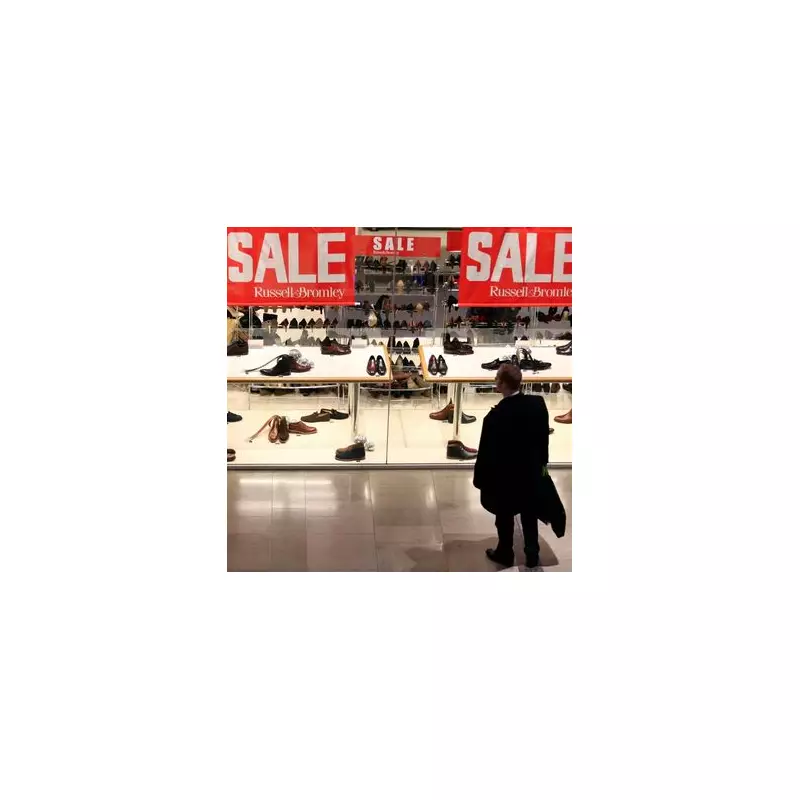
Retail Realisation is then expected to oversee the closure of all 37 remaining stores and conduct a fire sale of existing stock. This drastic action puts an estimated 450 jobs at immediate risk across the UK.
A Legacy of Style and Royal Approval
Founded in Sussex in 1880, Russell & Bromley has been a family-run business for five generations, currently led by Andrew Bromley. The retailer has introduced numerous iconic styles to British shoppers, most notably the timeless Chester loafer with its distinctive fringing and tassel details.
The brand boasts a prestigious clientele, including Kate Middleton, the Princess of Wales, who has been frequently photographed wearing its shoes. In a modernising move, the company appointed Doctor Who star Billie Piper as its first-ever celebrity campaign face in 2025.
The potential demise follows a difficult period for the retailer, which recorded a £9 million loss in 2024. In response, it had launched a five-year recovery plan named 'Re-Boot', which included ambitions to expand into new markets such as the Middle East.
This development underscores the relentless pressures facing traditional brick-and-mortar retailers, as declining footfall and the relentless shift to online shopping continue to reshape the British high street landscape.