Royal Mail's Festive Failures Leave Millions in the Lurch
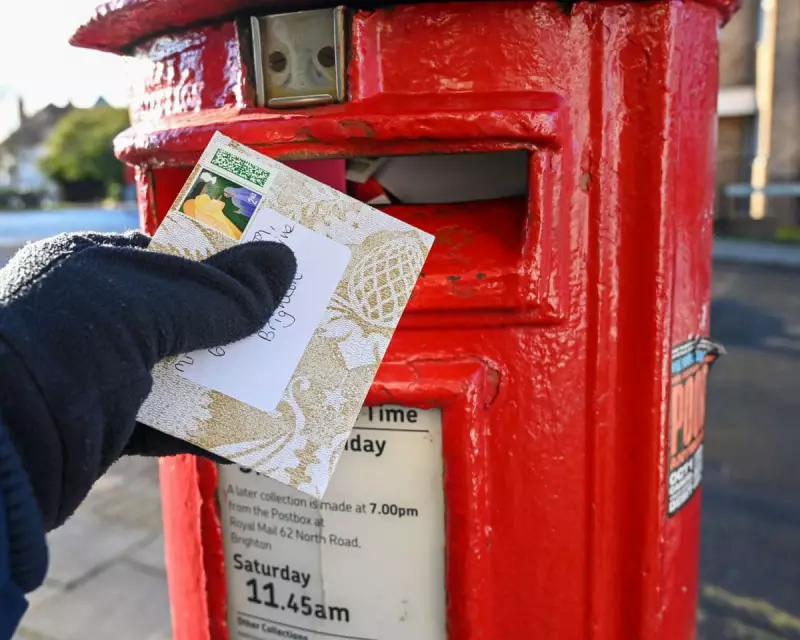
Royal Mail has come under intense scrutiny for what consumer advocates are calling an "unacceptable" performance during the crucial Christmas period. According to new research from Citizens Advice, the postal service failed to deliver letters and parcels on time to approximately 16 million people across the UK. This staggering figure represents a significant deterioration in service, highlighting a deepening crisis within the nation's primary postal network.
A Sharp Decline in Festive Reliability
The consumer watchdog's investigation, which involved a survey of nearly 2,100 adults conducted by Yonder, uncovered that the number of people affected by delays was 50% higher than in 2024. This marks the highest level of disruption during the festive period in five years, excluding the impact of strike action four years ago. The findings paint a bleak picture of a service struggling to cope with seasonal demands.
Anne Pardoe, the head of policy at Citizens Advice, expressed grave concerns about the situation. "We're afraid there's no light at the end of the tunnel for consumers struggling with Royal Mail's persistent delivery failures," she stated. "When people have no other postal provider to choose from, the sheer volume of delays is simply unacceptable." Her comments underscore the monopoly-like position Royal Mail holds and the consequent lack of alternatives for frustrated customers.

Beyond Late Christmas Cards: The Real Impact
The repercussions of these delays extend far beyond missed festive greetings. The research calculated that 5.7 million of the 16 million affected individuals missed out on receiving critical information. This included health appointments, fines, benefit decisions, and legal documents, potentially causing significant personal and financial distress.
"The company's dreadful festive slump is about much more than late Christmas cards," Pardoe emphasised. "This is a worrying trend, and with cuts to delivery days looming, Ofcom must start cracking down even harder on missed targets before things go from bad to worse." Her warning comes as Royal Mail faces impending service reductions, including the end of second-class post on Saturdays.
Regulatory Oversight and Corporate Changes
Ofcom, the postal regulator, does not apply normal delivery targets for Royal Mail during the busy festive period, a policy that has drawn criticism in light of these findings. However, the regulator has taken action in the past, fining Royal Mail £21 million in October for missing its annual delivery targets. Royal Mail has not met its Ofcom-mandated delivery target for first-class post since 2017, or for second-class mail since 2020.
A spokesperson for Royal Mail defended the company's performance, stating, "Independent data shows that more than 99% of items posted by the last recommended dates arrived in time for Christmas. This was during our busiest time of year, when volumes more than double, and we're grateful to our teams across the country who worked incredibly hard to deliver for our customers."
This Christmas was the first since the £3.6 billion takeover of Royal Mail's parent company, International Distribution Services (IDS), by Czech billionaire Daniel Křetínský. The acquisition has raised questions about future service standards and investment.
Rising Costs and Declining Volumes
The cost of postage has surged dramatically in recent years. A first-class stamp now costs £1.70, more than double its price since 2020, while a second-class stamp stands at 87p. According to Citizens Advice, 36% of those surveyed said they sent fewer Christmas cards this year because stamps were too expensive, reflecting a broader trend of declining letter volumes.
Royal Mail's challenges are compounded by structural shifts in the postal market. A decade ago, the company delivered 20 billion letters annually, but that figure has plummeted to 6.7 billion and could drop to 4 billion within four years. Meanwhile, the number of addresses it serves has increased by 4 million, stretching resources further.

Pardoe argued for stricter accountability, suggesting that "any future stamp price increases should be conditional on Royal Mail meeting these targets." This call for action highlights the growing pressure on the company to balance financial sustainability with service reliability.
Internal Dissatisfaction and Future Prospects
The company also faced internal criticism before Christmas after downgrading an annual perk for workers, offering second-class stamps instead of the traditional book of 50 or 100 first-class stamps. This move, seen as a cost-cutting measure, has added to morale concerns within the workforce.
As Royal Mail navigates these turbulent waters, the combination of regulatory scrutiny, consumer dissatisfaction, and operational challenges suggests that the path ahead remains fraught with difficulty. The festive season's failures serve as a stark reminder of the urgent need for systemic improvements to restore confidence in the UK's postal service.