Royal Mail Christmas Delays Hit 16 Million UK Adults, Citizens Advice Warns
Royal Mail Delays Impact 16 Million Over Christmas

An alarming 16 million adults across the United Kingdom, representing 29% of the adult population, suffered postal delays with Royal Mail during the Christmas period, according to new research from Citizens Advice. This substantial figure, which specifically concerns letters and greeting cards rather than parcels, marks a dramatic 50% surge compared to December 2024, when 10.7 million people were affected.

Critical Missed Communications and Rising Distress

The charity's investigation uncovered that approximately 5.7 million individuals missed vital correspondence due to these delays. This included letters concerning crucial health appointments, official fines, important benefit decisions, and sensitive legal documents. The consequences extended beyond inconvenience, with almost a quarter (22%) of those experiencing delays reporting feelings of anxiety or distress, primarily related to financial worries about benefits, bills, and potential monetary losses.

A Deteriorating Service During Peak Periods

Citizens Advice, which serves as the statutory consumer watchdog for postal services, highlighted that aside from the strike-affected year of 2022, the number of people encountering these postal issues over the festive season was the highest recorded in the past five years. The charity expressed concern that insufficient action is being taken to protect consumers who, as they stated, have "no choice but to put up with delivery delays and service cuts, despite increasing stamp prices."

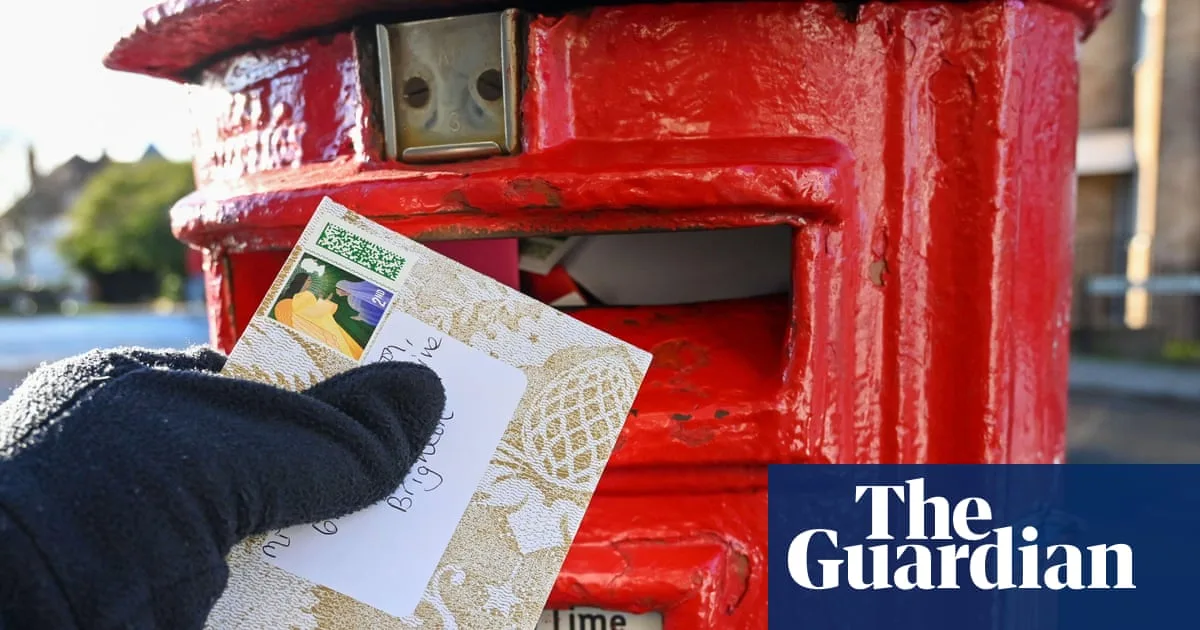
The research also revealed significant behavioural changes among the public. Among Royal Mail users, 36% reported sending fewer Christmas cards in 2025 because they considered stamps too expensive. Furthermore, 34% of respondents described experiencing periods of one to three weeks without any post, only to then receive a bundle of five or more letters all at once.

Falling Standards Amidst Rising Costs

The cost of postage has escalated sharply, with the price of a first-class stamp now standing at £1.70, more than double its 2020 price. This increase has occurred despite Royal Mail's consistent failure to meet its annual delivery targets. The company has not achieved its first-class delivery target since 2017, nor its second-class target since 2020.

Regulatory Changes and Industry Response

In a significant regulatory shift last July, Ofcom announced reductions to Royal Mail's service obligations as part of a review of the Universal Service Obligation (USO). These changes include cutting second-class delivery days from six days a week to every other weekday, with nationwide implementation scheduled for this year. The regulator stated these measures aim to reflect modern needs and place the service on a more sustainable foundation.

Anne Pardoe, Head of Policy at Citizens Advice, issued a stark warning: "We're afraid there's no light at the end of the tunnel for consumers struggling with Royal Mail's persistent delivery failures. When people have no other postal provider to choose from, the sheer volume of delays is simply unacceptable. This is a worrying trend, and with cuts to delivery days looming, Ofcom must start cracking down even harder on missed targets before things go from bad to worse."

In response, a Royal Mail spokesperson defended the company's performance, stating: "Independent data shows that more than 99% of items posted by the last recommended dates arrived in time for Christmas. This was during our busiest time of year, when volumes more than double, and we're grateful to our teams across the country who worked incredibly hard to deliver for our customers."

Ofcom reiterated its regulatory stance, noting: "In recent years, we've fined Royal Mail £37 million for its poor letter delivery performance, and we'll continue to hold the company to account. Royal Mail must now play its part by implementing this effectively and improving its reliability."

The findings are based on a survey of 2,095 UK adults conducted by Yonder between January 5th and 6th, 2026, highlighting widespread public concern over the state of essential postal services.