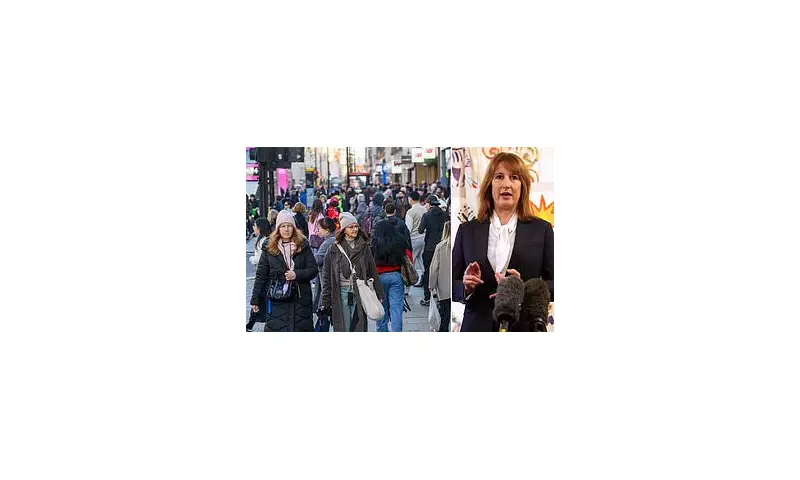
Chancellor Rachel Reeves has been accused of delivering a Christmas blow to retailers, with new figures suggesting her November Budget has driven shoppers away from the high street.
A Festive Season of Fear, Not Cheer
Data reveals that customers, spooked by the Chancellor's £30 billion tax raid, are keeping a tight grip on their purses. Following a surprisingly weak Black Friday at the end of November, shop owners describe December as disastrous, with a grim outlook expected to stretch well into the new year.
This leaves little sign of the usual festive cheer during the crucial 'Golden Quarter' – the vital pre-Christmas period for struggling stores. The retail sector simultaneously contends with a suite of Labour policies, including rising business rates, increased costs from changes to employers' National Insurance, and sharp hikes in the minimum wage.

Adding to the burden, retailers must now prepare for an avalanche of new workers' rights approved by Parliament this week.
'A Hangover Without the Party'
Tory business spokesman Andrew Griffith did not mince his words. "Doom and gloom in our high streets is mirrored in pubs, restaurants and even car showrooms as shoppers hunker down ahead of tax rises to come," he stated.
"This is a crucial time of year for businesses, but Reeves has risked ruining everyone's Christmas with higher costs and no vision or optimism for the year ahead. She's like a hangover without the Christmas party beforehand."
This dark assessment arrives on what is traditionally 'Super Saturday', typically the busiest shopping day of the year for last-minute gift purchases.
Data Confirms a Steep Decline
The Confederation of British Industry (CBI) reported that sales volumes dropped in December compared to November, bluntly describing the month's performance as 'poor'. The outlook is even worse for January, with sales predicted to fall further, potentially marking the weakest month in four years – since March 2021 during the pandemic.
Even online shopping, once a resilient sector, has declined and is expected to contract at a steep pace next month.
Andrew Griffith added, "It's worrying that retail sales volumes have fallen but no surprise given that consumers have taken such a battering with taxes going up. Under Labour, people are having to tighten their belts and make savings in the weekly shop."
Consumer expert Kate Hardcastle analysed the shift in behaviour: "Households are behaving like risk managers, not shoppers. When confidence erodes, people delay – they think twice instead of buying once."
She warned the slump extends beyond the holidays: "A retail sector expecting sales to slide into January shows that this isn't about seasonal whimsy, it's uncertainty. If people feel there's a chance they might regret a purchase, they simply won't make it."
Budget Timing Criticised
Chancellor Reeves delivered her Budget just two days before Black Friday, a move heavily criticised by industry analysts. The Office for National Statistics confirmed sales unexpectedly fell by 0.1% in November.
Danni Hewson, head of financial analysis at AJ Bell, said rumours of potential tax hikes had 'unnerved consumers at the very peak of the festive shopping period'.
Richard Lim of Retail Economics stated: "The timing of the Budget could not have been worse for the retail sector... It cast such a sense of anxiety for consumers, especially with all of the speculation."
He highlighted that despite falling inflation, prices have not dropped, squeezing discretionary spending. The pre-Budget leaks on potential income tax rises were also labelled "hugely unhelpful for household confidence."
Reform UK MP Richard Tice delivered a scathing verdict: "Rachel Reeves might as well have handed British businesses a lump of coal this Christmas. Her job-destroying, tax-raising Budget nightmare is throttling economic growth, smashing jobs and trashing consumer confidence."

In response, a Treasury spokesman defended the government's approach: "We are delivering stability, cutting borrowing and debt and getting inflation down. That's helped deliver six interest rate cuts since the election. The Budget doubled down on our work to grow the economy and create good jobs."