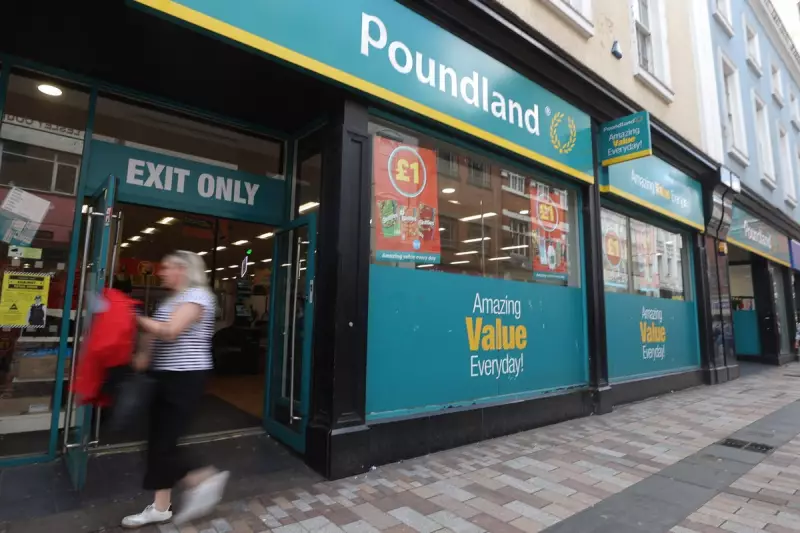
Poundland, the prominent UK budget retailer, has acknowledged that there is much to do following a comprehensive restructuring effort that involved mass store closures and significant job reductions. The company completed this major overhaul, which saw nearly 150 shops shuttered and 2,200 positions eliminated, as part of a strategy to stabilise its operations in a challenging retail environment.
Details of the Restructuring
The restructuring has led to a notable contraction in Poundland's physical footprint. By the end of the year, the retailer operated 651 stores, a sharp decline from the approximately 800 outlets it previously maintained. This reduction reflects the broader trend of retail consolidation amid economic pressures.
Impact on Workforce and Infrastructure
In addition to the store closures, Poundland's workforce was significantly downsized, falling from 14,200 employees to around 12,000. The company also streamlined its logistical operations by closing two of its four warehouses and reorganising its customer service centre. These moves are aimed at improving efficiency and reducing overhead costs.

Pricing Strategy and Trading Performance
As part of the revamp, Poundland has returned to a simpler pricing model, focusing on £1, £2, and £3 grocery items to appeal to cost-conscious consumers. Despite this, recent trading figures have shown mixed results. Over the Christmas period, like-for-like underlying sales dropped by 2.9 per cent, indicating some challenges in maintaining revenue. However, comparable store sales by volume increased by 2 per cent, largely due to price reductions that boosted customer purchases.
Recent Developments and Future Plans
Poundland, which was sold for just £1 last June in a deal that allowed it to avoid administration, is now focusing on revitalising its brand. The retailer is relaunching its Pep&Co clothing range and initiating a nationwide advertising campaign to attract more shoppers and enhance its market presence. These efforts are part of a broader attempt to recover from the restructuring and build a more sustainable business model.
The company's admission that much to do remains highlights the ongoing difficulties in the retail sector, particularly for discount chains facing intense competition and shifting consumer habits. Poundland's future success will depend on its ability to adapt to these dynamics while maintaining its value proposition.