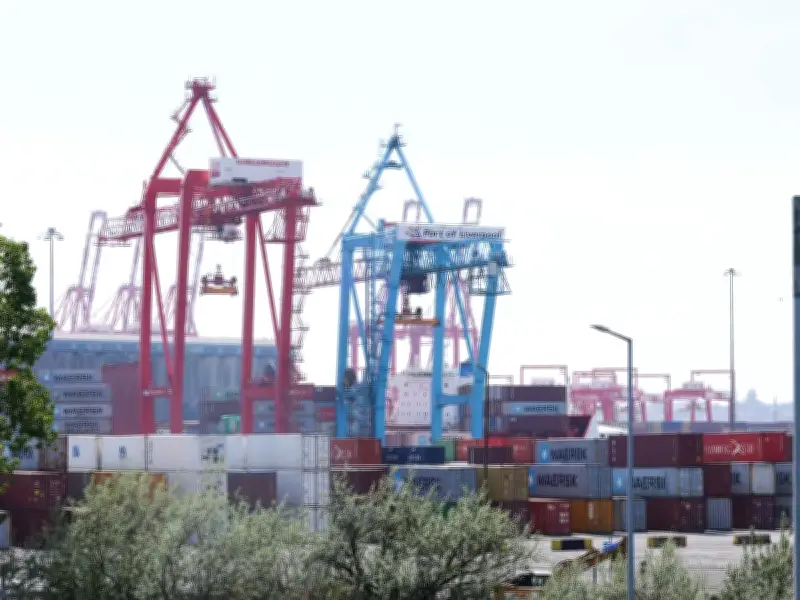
Pancake mix containing bleached flour, plastic bowls with a high concentration of formaldehyde, and sardines are among the items destroyed or blocked from entering Liverpool's ports in the last year. Around 70 million tonnes of goods are handled through the Port of Liverpool every year by Peel Ports Group, which owns and operates the port.
MPHA inspections
The Mersey Port Health Authority (MPHA) enforces environmental, public and animal health controls across 53 miles of coastline in Liverpool, Sefton and Wirral. The authority conducts documentary, identity, and physical checks to ensure products are safe for human consumption and meet UK import conditions.
The forerunner to the MPHA - the Port Sanitary Authority - was set up in 1874. The current authority is partially funded by Liverpool, Sefton and Wirral councils and is governed by Liverpool Council and the Mersey Port Health Authority Committee.
Failed consignments
Documents presented to the committee revealed what items have not been permitted to be let off ships owing to the potential risks they could pose. When consignments fail checks, potential outcomes include re-exportation or destruction of goods at the importer's expense to safeguard public and animal health.
In the last 12 months of reporting, egusi seeds - used to thicken soups - had to be destroyed after they were found to contain high levels of lead. Custard milk also had to be destroyed after the country it had been exported from did not have the required plan to monitor and control the presence of pesticides, contaminants and possible pharmacologically active substances.
Sanitation and shellfish duties
The authority also has statutory responsibilities under the Public Health (Ships) Regulations and the International Health Regulations (IHR 2005) to conduct ship sanitation inspections and issue Ship Sanitation Control or Exemption Certificates. These inspections are essential for maintaining the Port of Liverpool's status as an authorised point of entry recognised by the World Health Organisation.
Shellfish are also analysed for their suitability to come into the port. Routine sampling and monitoring of shellfish beds is carried out on the collection of live bivalve molluscs from designated production areas to assess microbiological quality, chemical contaminants, and the presence of marine biotoxins. Sampling supports the classification of shellfish beds based on E. coli levels, which determines the conditions under which shellfish may be harvested and placed on the market for human consumption.
MPHA officers also conduct inspections at designated food premises situated at Liverpool John Lennon Airport, in accordance with relevant food safety legislation to safeguard public health and ensure that all premises meet the required standards for the handling, storage, and distribution of food.