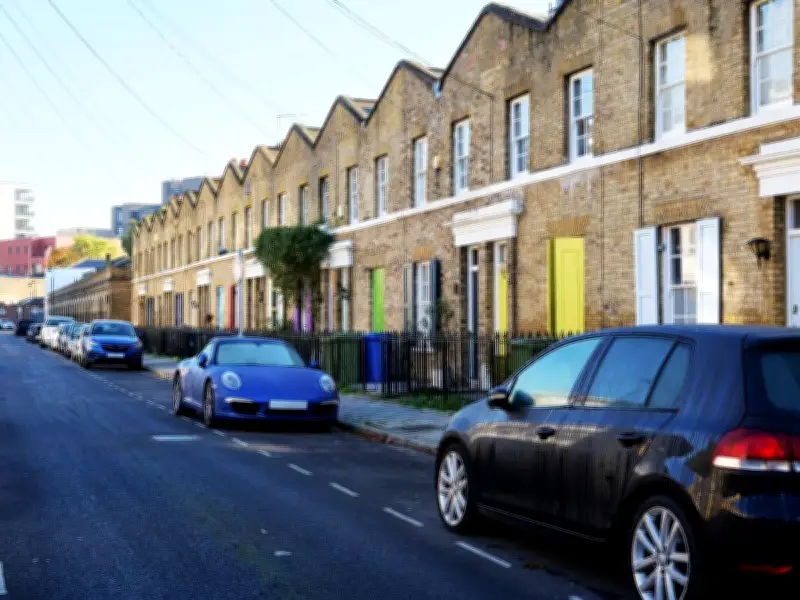
Millions of electric vehicle owners without driveways will miss out on a rule change designed to make charging easier, after last-minute legislation was updated. New rules coming into force on October 21 will allow residents in England without off-street parking to install EV charging points and run cables under the pavement without special planning permission.
However, a change to the proposals made on September 25 means this will no longer apply to anyone living in a conservation area. The amendment excludes households in England's 10,600 conservation areas, which are home to more than 6.8 million people — approximately 3.4 million of them without driveways.
Planning permission still required
People living in those areas might still be able to add cross-pavement cables, but they will need to apply for specific planning permission through the local planning authority. The government defended the move, saying it needed to preserve the "special character" of these areas.
A government spokesman told The Times: "We want to support households without off-street parking to access domestic electric vehicle charging, but it’s vital that we continue to protect the special character of our conservation areas."
"People in conservation areas without off-street parking can still apply for planning permission to install a cross-pavement solution. Local authorities also have powers to grant blanket permission for these installations in an entire area if they choose to."
Background and reaction
The change comes after the government announced it was removing a major barrier to cross-pavement EV charging, benefiting eight million households living in terraced housing or flats. From October 21, it will remove the need for a separate planning application for homes that need access to an EV charger but don’t have a driveway. Estimates suggest it could save EV owners approximately £40 a year.
The move was welcomed by motoring experts, including Daniel Briggs, CEO at frontline worker car discount company Motorfinity, who said: "Scrapping planning red tape is an overdue win for fair access to EV charging, making it easier for those wanting to make the switch from petrol to EV."
However, he warned the "bottleneck hasn't entirely vanished," as instead of planning permission, local highway authorities would now need to give approval. He said this "could create a postcode lottery of enforcement."
Concerns over inconsistency
He added: "There’s a need for a national standard for what counts as a safe way to run a cable across a pavement, without which approval could be quick in one area and very slow in the next. Those wanting to apply for cross-pavement charging will likely face inconsistent approval timelines depending on where they happen to live."
The EV Guy on Facebook said the new rules were still "making charging easier for millions of people." He pointed out that conservation areas have always been subject to stricter planning rules.
He said: "They’re specifically designated to protect the architectural character, historic significance and appearance of our towns, villages and neighbourhoods. There are restrictions on everything from replacing windows and altering buildings to certain types of external development."
"The entire point is to preserve the high standards, heritage and historic character of these areas. So why would anyone be surprised that installing infrastructure across pavements in these protected locations might require additional consideration?"
He added: "People living in conservation areas can still apply for planning permission. Local authorities can even grant blanket permission for these installations across entire areas."