The historic Nottinghamshire market town of Newark-on-Trent, with its rich medieval heritage and picturesque riverside location, should be flourishing as a prime destination for both residents and tourists. However, a growing sense of concern is spreading among locals as the town centre shows alarming signs of decline, with vacant units and a noticeable lack of vitality replacing the once-thriving atmosphere.
A Town Centre Losing Its Heart
Symbolic of the challenges facing Newark, the long-established butcher GH Porter Provisions, which had served the community since 1893, closed its doors at the start of 2026. This closure has intensified worries about the future of independent retail in the area. The town's historic cobbled market square, once a bustling hub of activity, now frequently presents a forlorn sight, with many stalls remaining empty even on traditional market days like Friday.
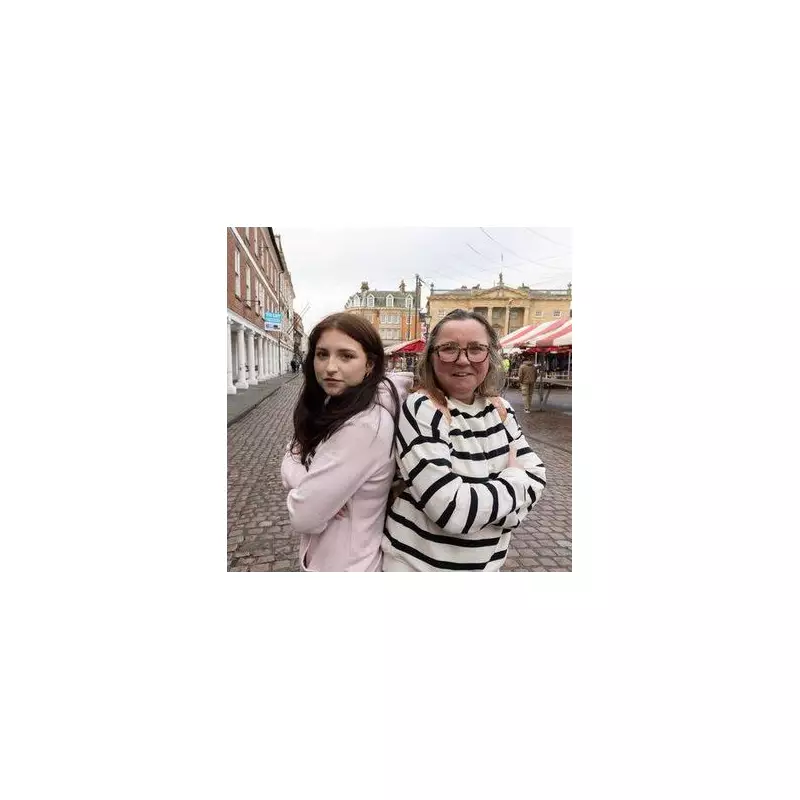
"Cemeteries have more life in them," remarked Emma Woodford, a 50-year-old council worker and lifelong resident. She has observed the town's transformation over decades but believes the past quarter-century has marked a steady and distressing downturn. "I don't like Newark anymore," she confessed. "It badly needs regeneration. I find it really dull; there's nothing vibrant to attract you. Around 25 years ago it used to be bustling, but I guess online shopping has played its part in sucking all the life out of the town."

Generational Concerns and Anti-Social Behaviour
Her daughter, 18-year-old Annabel Woodford, echoed these sentiments, describing the town as "rundown" and noting that nearly all the independent shops are shutting down. "There is less and less reason to spend any time here, and when I finish my university degree, I won't be moving back," she stated, highlighting a potential brain drain of younger residents.
Local business owner Clare Parker, who runs the Vintage Vixen clothing boutique with her husband Darren, identified anti-social behaviour as a significant deterrent for residents. "Newark is a great little town but there is a real problem with anti-social behaviour from kids," she explained. "I don't get much of a problem in the shop but around and about it's not great, and there is no visible police presence." She added that attracting locals into the town centre has become increasingly difficult, with issues like parking charges and a post-pandemic change in shopping habits compounding the problem.
Contrasting Views: Hidden Gem or Fading Star?
Despite the prevailing gloom, not all residents share this pessimistic outlook. Many point to Newark's considerable strengths and potential. The town boasts an impressive historical pedigree, including King John's death at the castle in 1216 and its role in the English Civil War. Its skyline is dominated by striking castle ruins and the magnificent spire of the Church of St Mary Magdalene.
Newark also offers excellent transport links, being strategically located between Nottingham and Lincoln, with direct train services to London. It was recognised in a 2020 survey as one of the top 25 places to live in Britain, praised for its relatively affordable house prices, high-achieving schools, and proximity to areas of outstanding natural beauty like the Peak District and Lincolnshire Wolds.
"Newark is a very underrated place," contended 83-year-old agricultural consultant Neil Morton, who moved to the town 15 years ago. "It has great character, a lovely river, and the impressive castle. I feel there is so much potential, and it really is trying hard to make the most of itself." His wife Susan, 80, described it as a "hidden gem" and a convenient tourist destination.
Calls for Action and Investment
However, even optimistic residents acknowledge that significant challenges remain. Engineer Richard Barnes, 61, noted, "This is a traditional English town which unfortunately has some problems—the main one being investment in the infrastructure." He emphasised that local businesses need support from the community to survive.

Market stall holder and farmer Liz Hoggard expressed frustration with the government's approach, stating she was "appalled at the Labour Government" for not delivering promised support for businesses. She also called for an increased police presence to improve safety, citing concerns about drunk and disorderly behaviour affecting the market's atmosphere and trade. "The market feels like it's getting quieter and quieter," she lamented.
Clare Parker suggested that Newark would be an ideal candidate for a "town of culture" bid, leveraging its vast history to drive regeneration. "Something needs to be done because it's getting harder and harder for us as an independent business to compete with out-of-town retail parks," she argued, highlighting the uneven playing field created by large retail developments on the outskirts.
The future of Newark-on-Trent hangs in the balance, caught between its undeniable historical charm and the pressing modern realities of retail decline, anti-social behaviour, and the need for strategic investment to revive its community spirit and economic vitality.