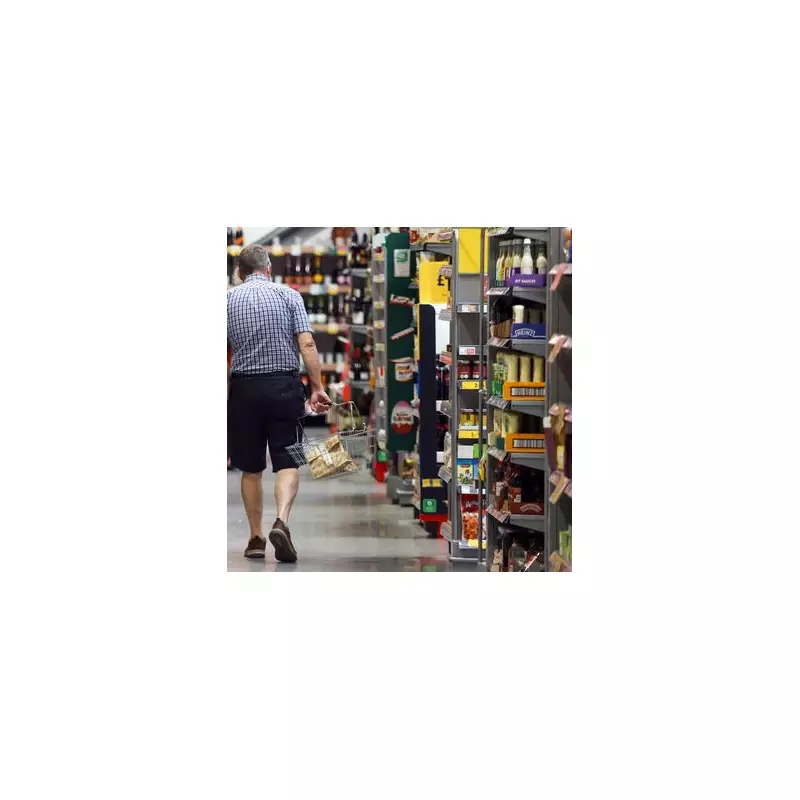
In a bold strategic shift, UK supermarket giant Morrisons is launching its own version of the famous "middle aisle" offers to directly challenge budget rivals Aldi and Lidl. This move comes as the grocer battles to regain market share amidst an intense price war and the ongoing cost of living crisis that has reshaped consumer habits.
Supermarket Price War Intensifies
The UK grocery sector is witnessing fierce competition, with traditional supermarkets like Morrisons struggling to keep pace with the rapid growth of German discounters Aldi and Lidl. Millions of households have shifted their shopping to these budget chains for cheaper food, household essentials, and weekly special buy products, drawn by their low prices and enticing non-food deals.
Aldi and Lidl have consistently topped lists as the cheapest supermarkets, according to consumer experts at Which? magazine. Their rotating middle aisles, featuring exclusive offers on items like toys, appliances, gardening tools, and cleaning products, have become a major attraction, often causing queues outside stores and generating viral social media content.

Morrisons' Declining Fortunes
Morrisons' decision to adopt this strategy follows a challenging period for the supermarket. Sales slowed over the Christmas period, and the company posted significant losses of £381 million for 2025, with core earnings remaining flat. Market share data reveals a concerning trend: Morrisons' share dropped to 8.5% in the 12 weeks leading up to December 28.
This decline is part of a broader pattern; Aldi overtook Morrisons in market share back in 2022, and Lidl is now poised to do the same. The pressure is mounting as supermarkets across the UK slash prices on hundreds of everyday items and close underperforming stores to stay competitive.
Expanding the Discount Range
Central to Morrisons' fightback is the expansion of its "When It's Gone, It's Gone" discount range. Originally launched in the summer of 2024 and rolled out to 450 stores, this initiative aims to replicate the market-style, budget-friendly appeal of the discounters. Items are displayed on wooden crates and are intended to be refreshed every three weeks.
However, the rollout faced initial hurdles, including issues with bulk buying and supplier coordination, forcing a temporary pause. The range was successfully relaunched in November, just in time for the crucial Christmas shopping season. Since then, merchandise sales have reportedly jumped by 10%, indicating a positive consumer response.
Strategic Goals and Leadership Vision
Morrisons hopes that this bargain push will achieve multiple objectives. By introducing middle aisle deals, the supermarket aims to boost overall sales, increase footfall in stores, and encourage shoppers to spend more on groceries while picking up discounted non-food extras. This strategy is designed to make Morrisons more competitive in a market increasingly dominated by low-cost models.
Chief executive Rami Baitiéh commented on the developments, stating, "This marks an encouraging period for Morrisons," while emphasising the impact of the bargain range. He added, "But we are not satisfied, and we will not be satisfied. This is our mindset." This statement underscores the company's determination to innovate and adapt in a challenging retail environment.
Broader Industry Challenges
The move by Morrisons highlights the broader pressures facing Britain's traditional supermarkets. Profits are under significant strain as these chains attempt to match the discounters' low-cost offerings while grappling with higher operational costs, including wages, transport, and energy bills. Aldi and Lidl continue to reshape the nation's shopping habits, forcing established players to rethink their strategies fundamentally.
As the price war rages on, Morrisons' adoption of middle aisle deals represents a critical attempt to reclaim lost ground and appeal to cost-conscious consumers. The success of this initiative could signal a new phase in the supermarket sector, where traditional giants increasingly emulate the tactics of their discount rivals to survive and thrive.