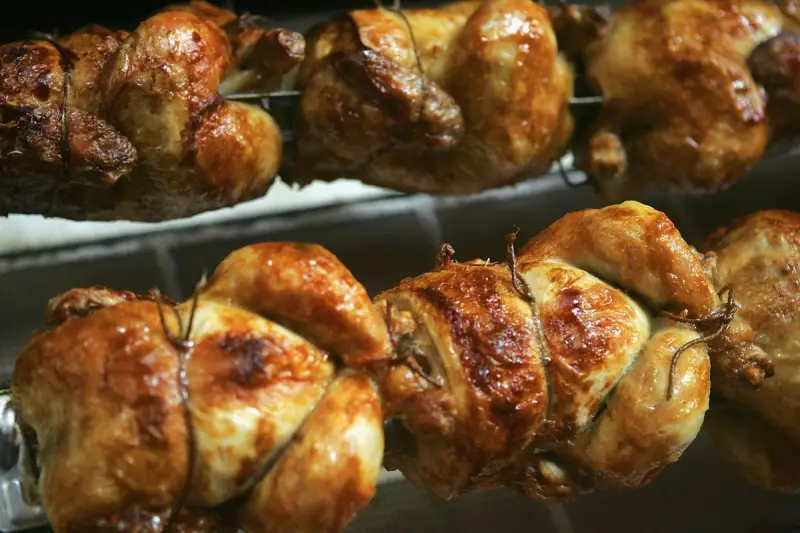
Supermarket chain Morrisons has been handed a substantial tax demand of over £17 million by HM Revenue and Customs (HMRC) following a legal dispute centred on the paper bags used for its store-cooked rotisserie chickens.
The Core of the VAT Dispute
In 2021, HMRC issued the retailer with a bill for £17,034,932 in backdated VAT, covering the period from January 2017 to July 2020. The tax authority argued that the hot chickens were subject to the standard 20% rate of VAT under rules commonly known as the "Pasty Tax".
These controversial regulations were introduced by David Cameron's Conservative government in 2012, imposing VAT on hot takeaway food. A subsequent amendment stated that food which was cooked and then allowed to cool naturally would be exempt from the levy.

Morrisons believed it had structured its operations to fall within this exemption. The company contended that a tax inspection in 2013 had concluded its practice of cooking chickens and presenting them to customers in paper bags some distance from the cooking area was acceptable to avoid the hot food tax.
Tribunal Rejects Supermarket's Appeal
Morrisons appealed against the 2021 ruling, arguing that for tax purposes its chickens were not actively sold as hot food but were merely "incidentally hot". Lawyers for the supermarket stated it had operated for over a decade under a "legitimate expectation" created by the earlier inspection, and that a retrospective bill would be "manifestly unjust" and potentially crippling for a business operating on thin margins.
However, Tax Tribunal Judge Mark Baldwin ruled in favour of HMRC. The judge found that a crucial misunderstanding in the 2013 inspection was the nature of the packaging. The HMRC officer at the time believed the chickens were in "plain paper, and therefore non-heat retentive, bags".
Judge Baldwin stated, "We know that the chicken paper bags, although not designed to retain heat, are heat retentive and, much more importantly, are designed to prevent the leakage of hot fluids and grease." He noted that Morrisons had not fully disclosed the properties of the bags, even telling HMRC as late as 2021 that they were not heat-retentive, which its own finance director later acknowledged was untrue.
Financial and Regulatory Consequences
The judge concluded that selling hot chickens in packaging designed to retain fluids and grease was sufficient for them to be standard-rated for VAT. He upheld HMRC's decision, confirming the £17 million liability.
This ruling underscores the complex and often contentious application of VAT rules to the food retail sector. In addition to the tribunal proceedings, Morrisons has also applied to the High Court for permission to seek a judicial review of the matter, indicating the dispute may continue.
The case serves as a stark reminder to businesses of the importance of precise disclosure in tax matters and the potential financial risks of misinterpretations, even those initially seemingly endorsed by officials.