Morrisons Cites Government Cost Hikes in Pay Dispute with Union
Morrisons Blames Government Costs in Pay Dispute

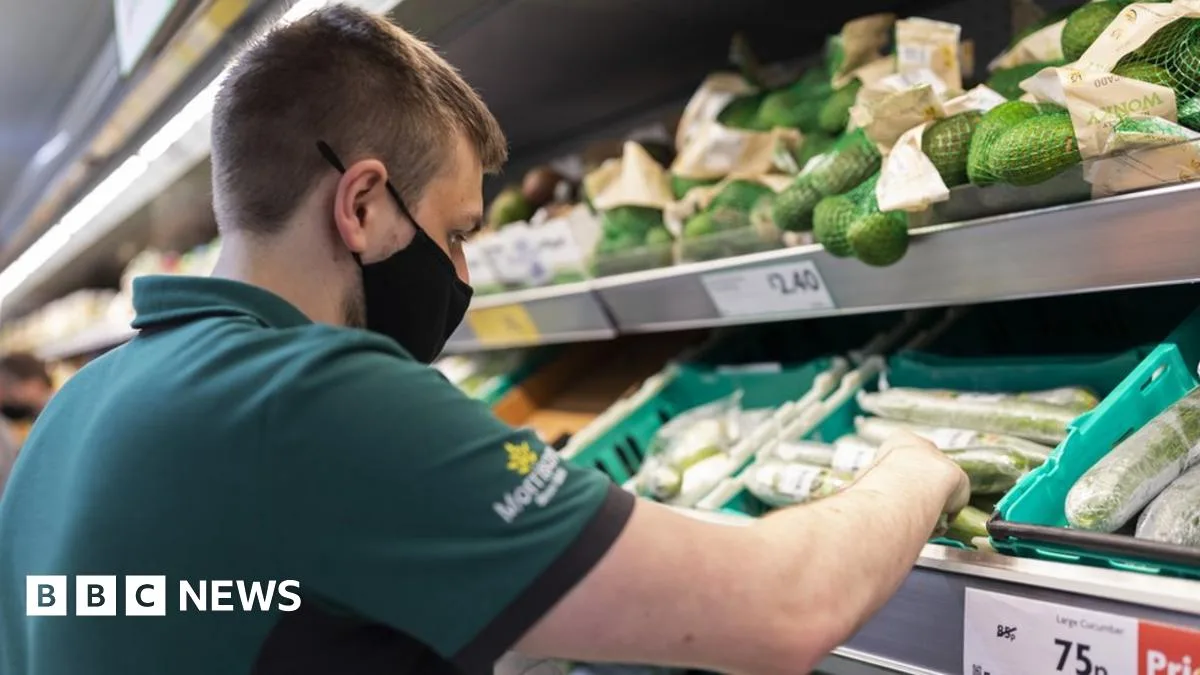
Supermarket giant Morrisons has informed its workforce that significant pay increases will not be forthcoming this year, pointing directly to substantial government-imposed cost escalations as a primary factor. The Bradford-based retailer is currently embroiled in a tense dispute with the Union of Shop, Distributive and Allied Workers (Usdaw) over its remuneration plans for staff.

Union Condemns Move to Minimum Wage Employer Status

The union, representing approximately 45,000 Morrisons employees, has expressed profound disappointment, revealing that the company has refused to offer any pay rise beyond the statutory national living wage. This development marks a significant shift for the retailer, which was historically known as one of the higher-paying supermarket chains.

Financial Pressures and Government Mandates

Morrisons has explicitly linked its decision to a confluence of financial challenges. A central issue cited is an estimated £200 million in "unexpected" cost increases that took effect in April of the previous year. The supermarket group attributes a significant portion of this burden to changes in national insurance contributions mandated by the government.

Further compounding the situation, the company highlighted intense competitive pressures within the grocery sector, where rivals are fiercely contesting for sales and market share. Additionally, Morrisons referenced the disruptive impact of a cyber attack on its technology supplier, Blue Yonder, which occurred in late 2024.

National Living Wage Increases

In the United Kingdom, the national living wage—the legal minimum for workers aged 21 and over—currently stands at £12.21 per hour. This rate is scheduled to increase by 4.1% to £12.71 in April 2026. For workers aged between 18 and 20, the minimum wage will see a more substantial rise of 8.5%, reaching £10.85 per hour.

Company's Stance and Union's Response

A spokesperson for Morrisons stated: "Over the last financial year, we have invested over £100 million in colleague hourly pay, and with the forthcoming national living wage increase in April 2026, we will invest a further £70 million. Against this backdrop, we must balance any further pay offers with the overall performance, affordability, and long-term stability of the business."

The spokesperson confirmed that no formal offer has been presented to the Usdaw national committee, prompting the union to proceed with a ballot of its membership. However, Morrisons maintains a "clear position" of wanting to continue dialogue with Usdaw.

Darren Matthews, Usdaw National Officer, responded critically: "It is a sad day when one of the largest retailers in the country is now a national living wage employer. We have to question whether this is the result of private equity taking over a family-run business. We are very disappointed that the company has not meaningfully engaged with Usdaw in trying to secure a fair pay deal for our members, who are core to the success of the business. We urge the company to change their stance and come back to the negotiating table."

The dispute underscores the broader tensions between retail businesses grappling with rising operational costs—partly driven by government policy—and the expectations of their workforce for fair compensation in a challenging economic climate.