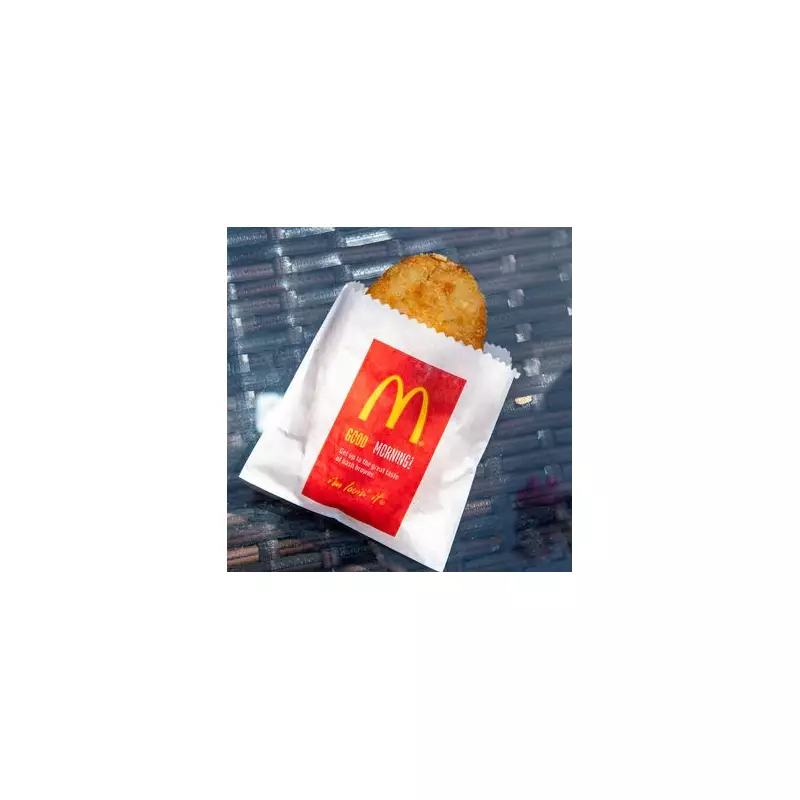
McDonald's customers across the UK have expressed significant anger and disbelief after a viral social media post exposed the price of a single hash brown reaching nearly £2 in certain restaurants. The controversy has ignited a broader conversation about the escalating cost of fast food and perceived diminishing value for money.
Viral Post Sparks Widespread Outrage
The uproar began when a post on X, formerly known as Twitter, went viral with over 459,000 views. It featured a photograph of a McDonald's menu display clearly showing a hash brown priced at £1.99 at a specific restaurant location. The accompanying caption read, "£2 for one solitary hash brown. We are officially done." This simple image and statement resonated deeply with a public increasingly sensitive to price hikes in everyday items.
Customer Reactions: From Nostalgia to Disbelief
The response from McDonald's patrons was swift and passionate. Many took to the platform to voice their frustration and share their perspectives on the perceived value.

- One user lamented, "It's just gone bonkers, I don't visit very often but it was always a cheap option."
- Another suggested, "At that price you’d have the sausage sandwich," highlighting the comparative cost of other menu items.
- A third simply declared the situation "Madness."
Some comments reflected a bittersweet appreciation for the product itself, with one person stating, "Those hash browns are the best damn thing they ever created. But £2 is, I'm afraid, too far." Others invoked nostalgia, with a customer recalling, "I remember when they were 59p," underscoring the dramatic price increase over time.
McDonald's Response on Pricing
In response to the growing discontent, a spokesperson for McDonald's addressed the issue of variable pricing. They explained, "A significant proportion of our restaurants are owned and operated by franchisees, who set their own prices. As a result, the price of individual items may vary; however, all share our commitment to providing customers with a high-quality restaurant experience and great value for money." This statement clarifies that the £1.99 price point is not universal across all UK outlets but is set independently by franchise owners.
Loyalty Scheme Changes Add to Consumer Concerns
The hash brown pricing controversy coincides with another significant change announced by McDonald's: an adjustment to its MyMcDonald's Rewards loyalty programme. The fast-food giant has confirmed that from March 17, 2026, customers will need more points to redeem popular free food items, a move directly attributed to rising operational costs.
The changes to the points system are substantial:
- Items like a Big Mac or Nine Chicken Nuggets will now require 6,500 points, up from 5,500.
- A Medium Coffee or Small Fries will increase from 1,500 points to 2,000 points.
- Redemption for a regular McFlurry or Apple Pie rises from 2,500 to 3,500 points.
- A Double Cheeseburger or McChicken sandwich will now cost 5,000 points, increased from 4,000.
Customers earn 100 points for every £1 spent. A company spokesperson stated that these adjustments "reflect rising food and supply costs." They added, "While we have increased the points required across all tiers to reflect rising food and supply costs, we’ve also introduced a number of fan favourites now available for redemption for the first time. These include our popular Chicken Selects, Cheese sides and delicious new Sausage Sandwich, providing even more choice for our customers."
Broader Implications for Consumer Spending
This incident is not occurring in isolation. It reflects a wider trend of rising prices in the retail and hospitality sectors, putting pressure on household budgets. The strong reaction from McDonald's customers highlights a growing consumer sensitivity to price increases, even for small, iconic menu items. The dual announcement of higher item prices and a less generous loyalty scheme has created a perfect storm of customer dissatisfaction, prompting many to question the long-term affordability and value proposition of fast-food dining.

The episode serves as a clear indicator of the challenging economic environment for both businesses facing increased supply chain costs and consumers navigating a higher cost of living. Whether this public backlash will influence pricing strategies or promotional offers remains to be seen, but it has undoubtedly placed McDonald's under intense public scrutiny regarding its value-for-money promise.