The British high street is confronting one of its most challenging periods in recent memory, with a wave of confirmed store closures sweeping across the nation throughout 2026. Major fashion retailers, charity shops, discount chains, and even banking institutions have announced plans to shut hundreds of locations, signalling a profound shift in the retail landscape and dealing a significant blow to local economies and employment.
A Perfect Storm for Retailers
Industry analysts describe the current situation as a perfect storm, driven by a combination of factors. The relentless shift from physical high street shopping to online retail continues to accelerate, while simultaneously, businesses grapple with soaring operational expenses. This dual pressure has forced numerous well-known brands to implement drastic restructuring plans, resulting in the permanent closure of beloved local branches.
Fashion and Apparel Hit Hard
River Island has confirmed one of the most significant closure programmes, with 27 branches scheduled to shut their doors by the end of January. The affected towns and cities span the entire United Kingdom, from Aylesbury and Bangor to Wrexham and Taunton. Company executives have explicitly cited the migration of consumer spending to digital platforms as a primary driver behind this difficult decision.

Similarly, the outdoor clothing specialist Trespass is continuing its consolidation strategy, with its Southampton branch on Above Bar Street set to close permanently on March 9. This follows a series of closures executed by the brand throughout the previous year.
Charity Sector Under Pressure
The charity retail sector is not immune to these pressures. Cancer Research UK has unveiled plans to close a staggering 88 of its shops by May 2026, with further closures anticipated in 2027. The charity has pointed to persistent financial challenges, including escalating running costs and evolving donor and shopper behaviours, as the reasons behind this substantial reduction in its physical presence. The list of closures is extensive, impacting communities from Aberdeen and Belfast to Swansea and Workington.
Discount Chains and Beauty Retailers
Poundland, a staple of the value retail sector, is undergoing a significant contraction. Nine additional locations are slated to close before the end of March, including stores in Bristol, Chichester, Coatbridge, and Nottingham. This follows an initial wave of shutdowns earlier in the year, highlighting the intense competition and margin pressures within the discount market.
In the beauty sector, the popular retailer Malin and Goetz has entered administration, leading to the closure of all its UK branches. This decision puts over 70 jobs at risk and includes flagship locations in Seven Dials, Soho, Spitalfields, and Canary Wharf. While its UK online operations are temporarily paused, products will remain available through third-party stockists.
Iconic Brands Scale Back
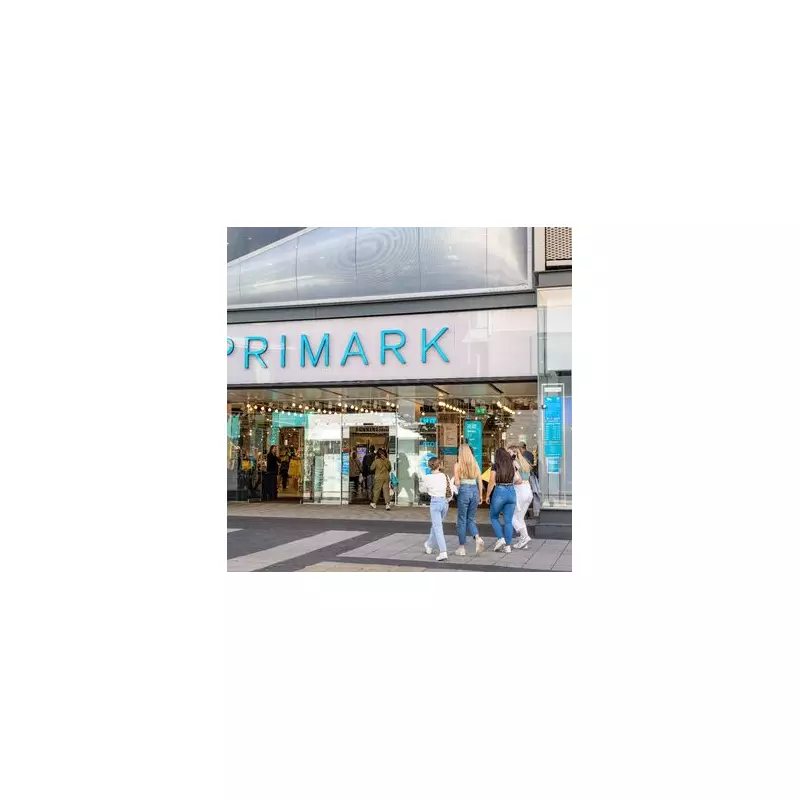
Primark, which has seen remarkable high street success in recent years, has not been untouched. The value fashion giant closed its Dartford store in the Orchard Shopping Centre at the start of the month—an event believed to be its first closure in nearly a decade. Furthermore, the Primark cafés located within selected stores in Glasgow, Edinburgh, Birmingham, and Belfast are also reportedly shutting down, although no shop floor staff are expected to be affected by this specific move.
Superdrug has confirmed the end of an era in Dudley, where its long-standing store at 38A High Street will close on January 31 after serving the town for more than forty years. Elsewhere, Edinburgh Woollen Mill has announced the closure of its Dereham branch in Norfolk, with signage indicating the shutdown is related to ongoing landlord negotiations.
Banking Exodus Compounds the Crisis
The retreat from the high street extends far beyond traditional retailers, with the banking sector implementing widespread branch closures. NatWest has confirmed several locations will shut, including branches in Ashby-de-la-Zouch, Cromer, Evesham, and Torquay, with customers being given a twelve-week notice period.

Lloyds Banking Group, which also operates Halifax and Bank of Scotland, is closing an additional 24 Lloyds branches this year. The group explicitly attributes this to rapidly changing customer habits, with a marked preference for mobile and online banking services over in-person visits. Affected locations range from Hedon and Thornbury to Birmingham Harborne and Stoke-on-Trent.
The contraction is mirrored across its other brands. Fourteen Halifax branches have already closed or are scheduled to close in 2026, including sites in Middleton, Havant, London Wandsworth, and Yeovil. Similarly, Bank of Scotland has shuttered locations in Larkhall, Bellshill, and St Andrews, with more closures planned for Alexandria, Annan, and Dingwall in the coming months.
The Human and Economic Impact
Behind each announced closure are real consequences for employees, customers, and the vitality of town centres. Hundreds of jobs are directly at risk, while communities lose accessible services and the footfall that these establishments generate. The collective scale of these announcements paints a stark picture of a high street in the midst of a fundamental and painful transformation. As 2026 progresses, further announcements are expected, leaving many to wonder what the future holds for the heart of Britain's retail landscape.