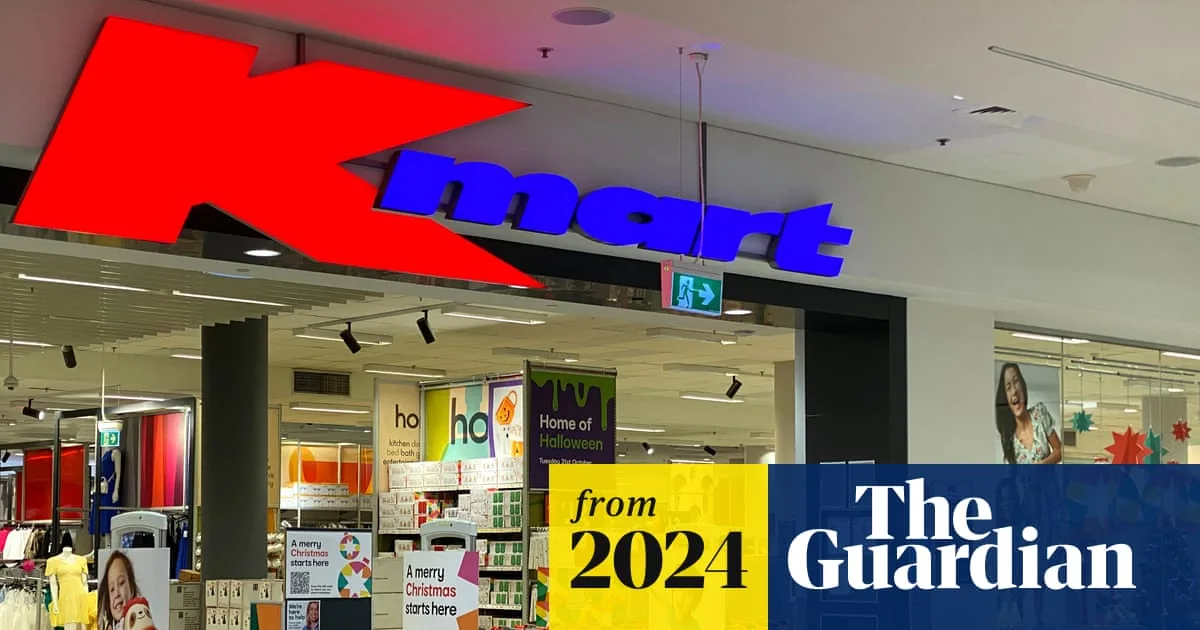
While the last full-sized Kmart in the US closed this week, its Australian namesake is bucking the global trend with supercharged profits. Revenue at the Wesfarmers-owned Kmart Group jumped nearly 5% to A$11.1bn last financial year, even as cost-of-living pressures dampened consumer sentiment.
Retail experts attribute the strong performance to Kmart's dominant home brand, Anko, which has transformed the chain into a product maker rather than a traditional retailer reliant on selling other companies' goods. The strategy involves mimicking popular items—such as shapewear brand Skims—at far cheaper prices, supported by a large social media presence that targets lucrative niches including young adults and mothers.
“Suddenly, their range became more relevant and their products became more attractive,” said Brian Walker, chief executive of consultancy Retail Doctor Group. “They created a parallel social media marketplace that really made it cool and a bit chic to be at Kmart.”
Kmart now draws equal numbers of low, middle and high-income customers, a break from its battler-focused past. However, analysts warn that the retailer must keep adapting as online players like Temu and Shein take market share from discount department stores. “The online players are starting to dominate that value sector, and that’s the heartland of the discount department store model,” Walker added.
Meanwhile, rival Big W has struggled, with revenue fluctuating since the pandemic. Its owner, Woolworths Group, described the past year as “challenging”, and investment house First Sentier Investors has reportedly called for a sale of the chain. Kmart's sibling brand Target is also being folded into Kmart, with Anko products now sold there, blurring the lines between the two retailers.