From Rustic Roots to Instagram Fame: How Farmers' Markets Became Influencer Hotspots
Farmers' markets across the United Kingdom have undergone a remarkable transformation in recent years. Once primarily the domain of practical, outdoorsy types seeking locally sourced vegetables, quality bread, and artisanal cheeses, these weekend gatherings in villages, towns, and cities have now become fashionable destinations for a new breed of shopper. This modern visitor is less concerned with mere sustenance and more focused on curating the perfect social media post, trading traditional twee charm for TikTok-ready aesthetics.
The New Market Demographic: Content Creators and Aspirational Lifestyles
As spring approaches, the nation's social media stars are increasingly making their way to these markets, drawn by the promise of visually appealing, wholesome content. You can now find them mingling amongst the wax jackets and well-spoken patrons, voguing next to organic vegetable stalls, posing dramatically with large hunks of parmesan, or enthusiastically sampling freshly baked cookies—all while carefully documenting the experience for their followers.
This shift represents the latest middle-class pastime to be co-opted by influencers for content creation, following similar trends involving idyllic Cotswolds villages, rural pumpkin patches, and luxurious five-star London hotels. The farmers' market offers a particularly potent blend of authenticity, aesthetics, and perceived affluence that resonates strongly on platforms like Instagram and TikTok.

Influencers in Action: Case Studies from London to Canterbury
Several prominent content creators have recently showcased their market adventures. Instagram influencer Em Sheldon, who commands an audience of 139,000 followers, dedicated an entire weekend to exploring London's farmers' markets. She consciously avoided the more famous Portobello Market in Notting Hill, instead opting for what she described as more "rustic" options in Pimlico, Duke of York Square, and Marylebone.
Sheldon posted about her experience, declaring, "The girlies in London are doing markets properly: Pimlico farmers' market on Saturday, Duke of York Square market after Marylebone farmers' market on Sunday - skip the Portobello Road chaos." This sentiment highlights a deliberate seeking of authenticity over tourist-heavy locations.
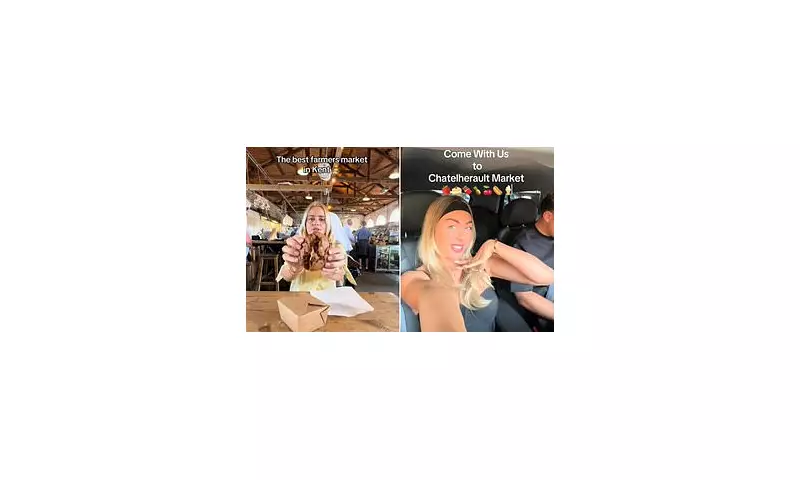
Meanwhile, TikTok creator Georgia Barry, with over 61,000 followers, shared her visit to The Goods Shed, a celebrated artisan market in the historic cathedral city of Canterbury, Kent. Clearly enchanted by the experience, Barry was filmed wandering the market in apparent rapture, marveling at the produce while simultaneously chasing her toddler.
She exclaimed in her video, "If there was one thing that could convince me to move to the countryside then it would be this farmers' market. I don't think I've ever seen somewhere so beautiful in my entire life. This is my new favourite hang-out spot, the walls! The windows! Everything was so beautiful but most importantly the fresh baked goods." However, not all viewers were convinced by the rural idyll portrayal, with one commenter pointedly noting, "Canterbury isn’t the country!"
Fashion Meets Farm Produce: The Sartorial Side of Market Visits
For some influencers, farmers' markets have become unlikely fashion runways. Instagrammer Such.a.sasha documented a visit to a London market last summer, captioning a series of highly stylised photos with, "Dressing up and going to the farmers market is my kind of Sunday." While other shoppers might arrive with a simple reusable bag, this trendy Londoner opted for a chic £450 Loewe basket tote to carry her organic purchases of carrots, kale, tomatoes, and apple juice.
This fusion of high fashion with rustic settings underscores the aspirational nature of the content. The notorious expense of farmers' markets—where one might pay £7 for an artisan sourdough loaf or £4 for a miso caramel and tahini cookie—contributes to an aura of affluence that can enhance an influencer's perceived lifestyle, potentially attracting more followers, collaborations, and professional opportunities.

The Broader Trend: Wholesome Content and Community Impact
Farmers' markets represent just one facet of a broader trend where influencers target middle-class mainstays for content. Afternoon tea at five-star London hotels, scenic rural pursuits like visiting strawberry patches or lavender fields, and trips to picturesque locations such as the Cotswolds have all been extensively documented on social media.
However, this influx of content creators has not been without controversy. In the Cotswolds, local councillor Jon Wareing has expressed frustration with "selfie hunters" who he believes show little genuine interest in the heritage and environment of areas like Bibury, Stow-on-the-Wold, and Bourton-on-the-Water. He described the phenomenon as "a combination of over-tourism and fast tourism," which he finds "deeply worrying" and destructive to local communities.
Yet, some residents offer a more nuanced perspective. Emily James, a 30-year-old from Cirencester, suggested that social media coverage isn't inherently negative if creators actively contribute to the community. "If you are going to do that [TikToks] here at least give back to the community," she advised. "I am strolling around taking photos but obviously I have been in the shops and bought a few bits and bobs and I think that's what's important." Some even argue that TikTok coverage can have a positive effect by promoting local attractions, provided it's done respectfully.
Ultimately, the farmers' market trend reflects a deeper cultural shift where authentic, wholesome experiences are commodified for digital engagement, creating a complex interplay between local commerce, community identity, and the relentless pursuit of online influence.