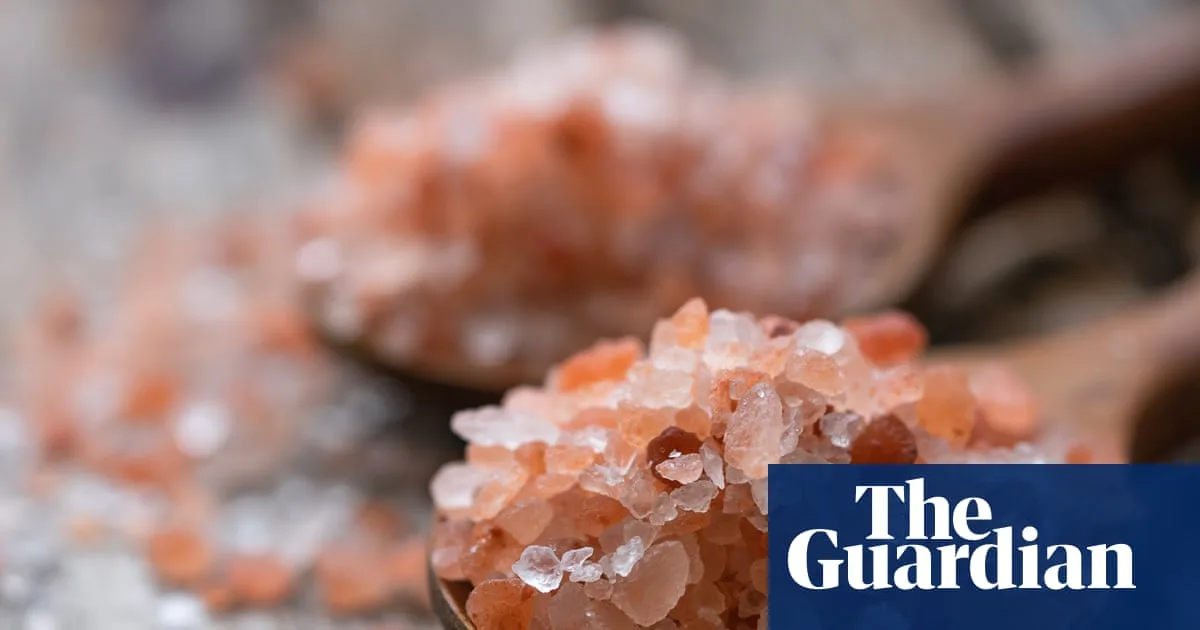
As Europe braces for another heatwave, salt has emerged as an unlikely hero in the battle to cool down. Salty drinks are gaining popularity as thirst quenchers during Britain's scorching summer, with traditional recipes from India and Mexico inspiring a new wave of savoury beverages.
At Jikoni in London's Marylebone, head of drinks Jade Harman has created a fresh lime and black salt soda, inspired by Indian nimbu pani. She says the addition of salt is refreshing because it lessens the perception of bitterness and improves hydration. Elsewhere, Jackson Boxer's new east London venue Vesper serves non-alcoholic gin and tonics featuring Cornish sea salt, while matcha fans are adding coarse flaky sea salt to draw out umami flavours.
Cameron Malik-Flynn, co-founder of food and beverage agency Malik Acid World, describes salt as a key taste that pulls through the flavour of other ingredients. He recently teamed up with Ellie's in Dalston to create a sour watermelon tequila soda topped with salted matcha vegan cream. Malik-Flynn credits the salty surge to a wider shift away from sugar, as people seek freshness and move away from pre-packaged syrups.
Premium salts are also experiencing a glow-up, similar to the fancification of olive oil. Brands like Dorset Sea Salt Company, Halen Môn, Apostle, and Goat Rodeo Goods offer designer packaging and unique flavours, from charcoal and vanilla to red wine and plum herb. Caleb Tennant of Dorset Sea Salt Company says natural sea salt offers a cleaner, more rounded flavour and a more intentional way of seasoning.
Lisa Harris, co-founder of food consultancy Harris and Hayes, notes that premium salts follow the trajectory of elevated pantry goods. In times of economic uncertainty, a pinch of something special feels like an achievable everyday indulgence. Malik-Flynn describes pink Himalayan salt as mimicking citrus flavour, while sea salt has a herbal and briny effect, but he cautions that less is more when it comes to dosage.