High Street Decay Emerges as Critical Election Issue for Labour
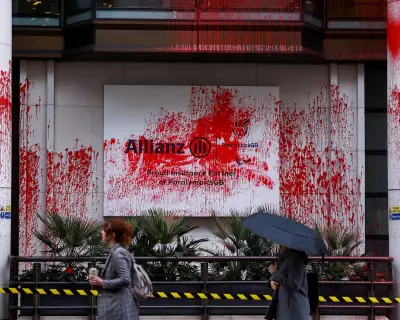
Labour faces potential electoral devastation unless it urgently addresses the deterioration of Britain's town centres, according to a stark new study. The research suggests the party could be "washed away in a tide of discontent" at the next general election if it fails to tackle this growing concern.
Voters Prioritise High Street Revival
University of Southampton research, utilising YouGov polling, has uncovered that improving shopping precincts ranks as the third most important local issue for voters. This places it directly behind good healthcare provision and reducing crime, highlighting its significance in the public consciousness.
People feel high streets have declined more than any other part of their local area over the past decade. This perception is driven by the collapse of familiar household brands and a noticeable rise in shoplifting incidents.

Fuelling Political Resentment
The study identifies a "deep sense of place-based resentment" towards Westminster, which is particularly acute among Reform UK supporters. These voters were more likely than others to state their local area had significantly declined, underlining the political potency of the issue.
Labour MPs express increasing alarm about the state of high streets, which have become symbolic for many constituents of whether their community is prospering. The significant increases to business rates in the November budget have further focused business backlash on this topic.
The Changing Face of Town Centres
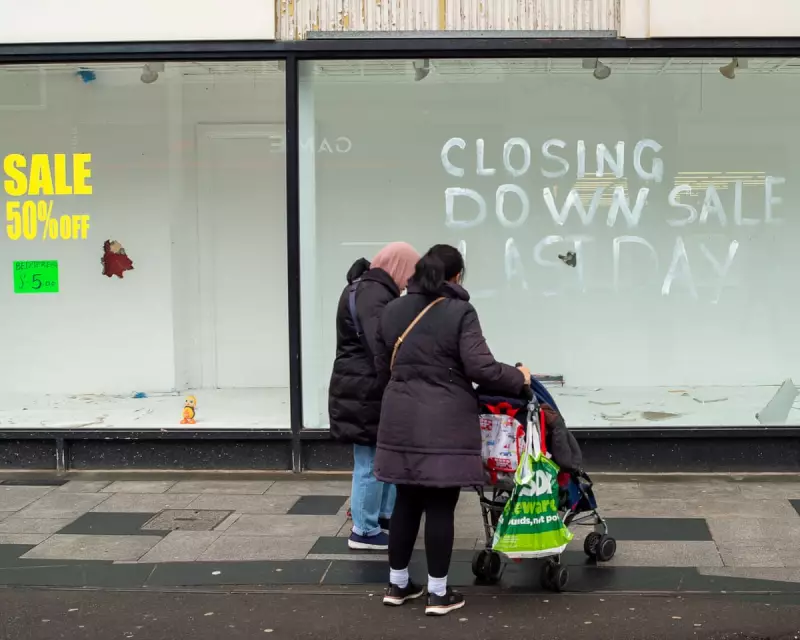
New Guardian analysis of Ordnance Survey and Landmark Information data paints a stark picture of transformation. There were at least 8,000 fewer retail outlets in 2025 compared to 2019, as traditional shopping faltered.
The winners on Britain's high streets over the past six years include:
- Restaurants, which expanded from just over 17,000 to 25,000 since 2019
- Vape shops, with an estimated 38% rise driven by soaring e-cigarette use
- Discount stores, showing a 41% increase as retailers target cash-strapped consumers
- Service providers like tattoo and piercing salons (up 20%) and hairdressers (up 17%)
Meanwhile, traditional fixtures continue to retreat:
- Department stores have fallen from more than 1,700 to slightly over 1,000
- Betting shops have lost more than a fifth of their outlets
- Clothing shops have declined by 13%, florists by 24%, and stationers by 23%
- Nightclubs have reduced by almost a fifth
Underlying Drivers of Change
Much of this shift is attributable to the sustained rise in online shopping. According to the Office for National Statistics, 28% of retail sales occurred online in October 2025, a significant increase from 19% in the same month of 2019.
The data also highlights an erosion of basic amenities. The number of public toilets on high streets has fallen by a fifth as English councils cut discretionary spending. Cash machines have declined dramatically from 4,380 to 2,573 as card payments dominate.
Political Response and Regeneration Efforts
In response to growing anger, the government announced a business rates discount for pubs alongside a promised "high street strategy" with detailed measures to follow later this year. Treasury minister Dan Tomlinson acknowledged the challenges, stating: "We do understand it's a tough time for other businesses on the high street ... consumers have changed their habits."
The government has launched a £5bn, 10-year regeneration programme under its "pride in place" scheme. Some 250 places across England, Scotland and Wales will receive up to £20m each to support locally led plans to revitalise town centres.
Warnings from Business and Academia
Professor Will Jennings, who led the University of Southampton research, stated that Labour's political fate rests on its ability to address local gloom. "Our report reveals a high level of place-based resentment in British politics," he said. "People tend to think that politicians in Westminster don't care about their region."

Business groups warn that regeneration schemes must be matched by practical support. Tina McKenzie, policy chair at the Federation of Small Businesses, said high streets face a risk of "a vicious cycle setting in" without help on costs such as business rates, staffing and energy bills.
The study builds on previous surveys showing a collapse in local pride between the end of Boris Johnson's premiership and the end of Rishi Sunak's time in office. While there was a partial rebound last year under Labour, the state of the high street remained the issue people felt had worsened most over the past decade.
With almost a fifth of freeholdings in shopping districts owned by real estate companies and less than 2% owned by retailers, the structural challenges facing Britain's town centres remain profound as the next election approaches.