The Great British Lunch Divide: A Generational Showdown
In offices across the UK, a quiet battle rages every lunchtime, pitting the culinary preferences of Generation Z against those of Baby Boomers. At the heart of this conflict lies a stark contrast in spending, values, and what constitutes a satisfying midday meal.
The Premium Plate: Gen Z's Quest for Nutrient-Dense Dining
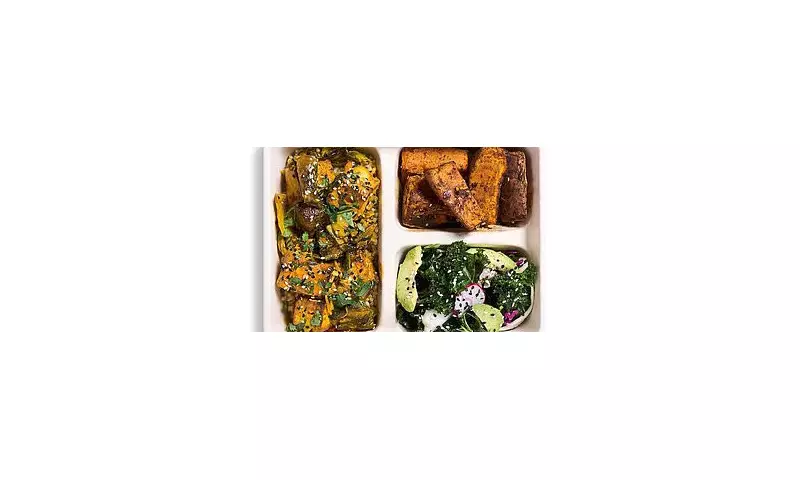
For many Gen Z workers, lunch is far more than mere sustenance—it's an experience, a statement, and a treat in an era of financial constraints. The scene outside popular salad spot Farmer J on Regent Street tells the story: daily queues stretching to half an hour, all for the chance to purchase artisanal bowls like the Fieldtray. This £12.50 offering might include kale-miso slaw, spiced date sweet potato, and green tahini chicken, epitomising what one Gen Z diner calls "nutrient-dense, yummy" food that signals #fibremaxxing to colleagues.
This willingness to splurge isn't isolated. According to The Times, bougie lunches have become Gen Z's favourite "workday treat," with many happy to spend over £10 for a "dopamine bump." The rationale often cited is that since "traditional financial rites" like homeownership seem out of reach, indulging in premium lunches offers a tangible daily pleasure. Supporting this trend, an EzCater survey found that 67% of Gen Zs spend at least £8 on lunch during the working week, with 43% doing so three to five days.

The Budget Bite: Boomers' Loyalty to the Humble Meal Deal
In contrast, many Boomers view such expenditure with bewilderment, championing the economic virtues of the classic meal deal. For under £4, a typical Boomer might enjoy a BLT sandwich, a Diet Coke, and a pack of Monster Munch—a combination deemed a "bargain" by proponents. The concept of spending upwards of £12 on what one Boomer dismisses as "glorified rabbit food" or "corporate slop" seems extravagant, if not financially reckless.
Boomers often advocate for homemade alternatives, like a plain cheese sandwich or leftovers reheated in Tupperware—a container one Gen Z worker describes as a "relic" associated with "manky-smelling" office microwaves. The Boomer perspective prioritises economy and practicality, with occasional treats like £3.50 fish and chips from a subsidised canteen on "treat-day Friday."
Cultural Clashes and Market Realities
The divide extends beyond price tags into cultural values. Gen Z emphasises health-conscious choices, questioning the gut microbiome impact of ultra-processed meal deals and celebrating customisable options from chains like Chipotle and The Salad Project—the latter selling 4,000 of its £10+ bowls daily in London alone. Social media fuels this, with over 1.1 million TikToks dedicated to office workers reviewing "#corporateslop."
Boomers, however, mock trends like Pret's £12.50 Super Plate salads made with "hand-massaged" kale, quipping about "giving tomatoes a spa day." They see Gen Z's habits as frivolous, potentially sabotaging savings for future goals like home deposits. Yet, Gen Z counters that in a cost-of-living crisis, these lunches represent a small, accessible luxury amid larger financial frustrations.
This lunchtime schism highlights broader generational differences in spending, health awareness, and work culture. While Boomers cling to thrift and tradition, Gen Z embraces premiumisation and experience—proving that in the UK's lunch break wars, there's no one-size-fits-all plate.