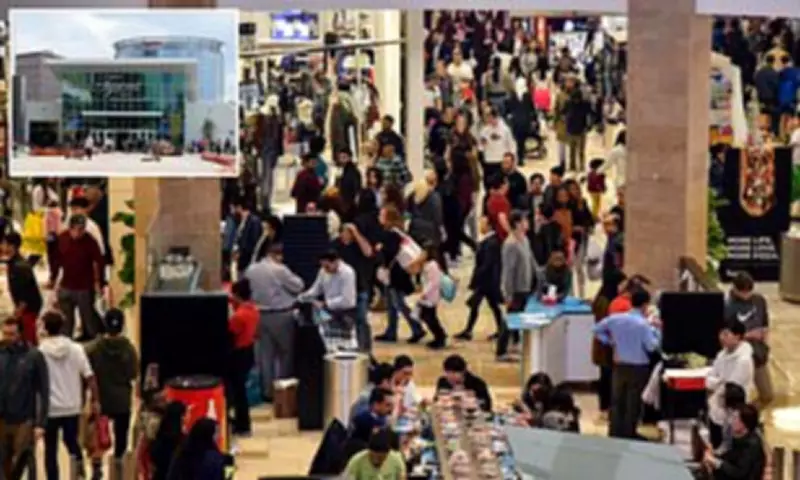
American shopping malls, long considered a fading relic of the 1980s and 1990s, are experiencing an unexpected resurgence thanks to Generation Z's strong preference for in-person retail experiences. New data reveals that Gen Z's spending habits are significantly boosting foot traffic and sales at brick-and-mortar stores, offering a glimmer of hope for an industry that has faced severe challenges in recent decades.
Gen Z Outspends Older Generations in Physical Stores
According to NielsenIQ data obtained by The Wall Street Journal, Generation Z's retail spending is outpacing all other age groups globally. By 2030, Gen Z is projected to spend an impressive $12 billion annually in the retail sector. More importantly, this generation directs a larger portion of their purchases to physical stores compared to older shoppers.
Circana data shows that shoppers aged 18 to 24 made 62 percent of their general merchandise purchases in stores last year, while those 25 and older made only 52 percent of such purchases in physical locations. This generational divide highlights a significant shift in shopping behavior that could reshape the retail landscape.

The Instant Gratification Factor
Savera Ghorzang, a 24-year-old Gen Z shopper, perfectly illustrates this trend. "I don't really like online shopping," she told The Wall Street Journal. "I'm an instant-gratification girl. I need it now." When she needed a dress for her Valentine's Day date, she headed directly to the mall rather than browsing Amazon or other online retailers.
This preference for immediate satisfaction and tangible shopping experiences has become a defining characteristic of Gen Z consumers, who appear to value the social and sensory aspects of in-person retail that digital platforms cannot replicate.
A Ray of Hope for Struggling Malls
Gen Z's affinity for malls arrives at a critical moment for the industry. According to Capital One Shopping's research team, the United States currently has approximately 1,200 malls, but this number could shrink to just 900 by 2028. This represents a dramatic decline from the approximately 25,000 malls that existed in 1986, marking a 95 percent reduction over four decades.
The COVID-19 pandemic accelerated this decline significantly, forcing numerous anchor retailers including J.C. Penney, Neiman Marcus, Lord & Taylor, and Forever 21 into bankruptcy. These closures left massive vacant spaces that have proven difficult to fill, creating additional challenges for mall operators.
The Pandemic Paradox
Ironically, for some younger consumers, the pandemic actually sparked renewed interest in malls as social destinations. Fourteen-year-old Pranvi Yarvaneni explained to The Journal while visiting Tysons Corner Center in Virginia, "Even if I don't buy anything, just going out is really fun."
For many teenagers, malls have become an escape from increasingly digital lives dominated by TikTok and Instagram scrolling. They offer opportunities for real-life experiences and social interaction that cannot be replicated through screens.
Malls Adapt to Gen Z Preferences
Mall operators are taking notice of this demographic shift and actively adapting their spaces to appeal to younger consumers. Macerich, which owns more than three dozen malls nationwide including Tysons Corner Center, has begun inviting social media influencers and redesigning common areas to be more photogenic.
"Are our malls photogenic?" asked Macerich Chief Executive Jack Hsieh. "I do think that's an opportunity for us as we think about the future of the mall." This focus on creating Instagram-worthy environments reflects Gen Z's continued reliance on digital influence even while engaging in physical shopping.
Retailers Embrace the Trend
Several major retailers are already benefiting from Gen Z's shopping preferences. Tapestry, which owns Coach and Kate Spade brands, reported double-digit sales growth in its stores during the quarter ending December 27, largely attributed to Gen Z shoppers.

According to Tapestry Chief Growth Officer Sandeep Seth, the company has equipped salespeople with tablets to show young customers how influencers are styling their merchandise. "This generation isn't averse to talking to people, but how you do it is very different," Seth explained. "They want to get information not from a salesperson, they want to talk to an influencer or a friend."
Other retailers including Abercrombie & Fitch, Gap, American Eagle, Pacsun, and Bath & Body Works have similarly identified Gen Z as a key driver of sales growth and store traffic. Some have launched new campaigns, store formats, or locations specifically targeting this generation.
Long-Term Outlook Remains Uncertain
Despite these positive developments, the long-term viability of American malls remains uncertain. Most economists still predict a gradual decline over the next decade or two, and it remains unclear whether Gen Z's enthusiasm can permanently reverse decades of structural challenges.
Nevertheless, some encouraging signs have emerged. PacSun, once a familiar mall staple, has grown its store count for the first time in 18 years and plans to open 35 new locations by the end of the decade. This expansion suggests that strategic adaptation to Gen Z preferences can yield tangible results.
As malls continue to evolve by incorporating influencer culture, creating photogenic spaces, and blending digital and physical retail experiences, they may yet find sustainable ways to remain relevant in an increasingly online world. The coming years will reveal whether this Gen Z-driven revival represents a temporary trend or a genuine transformation of American retail culture.