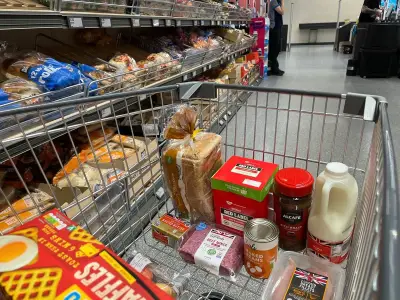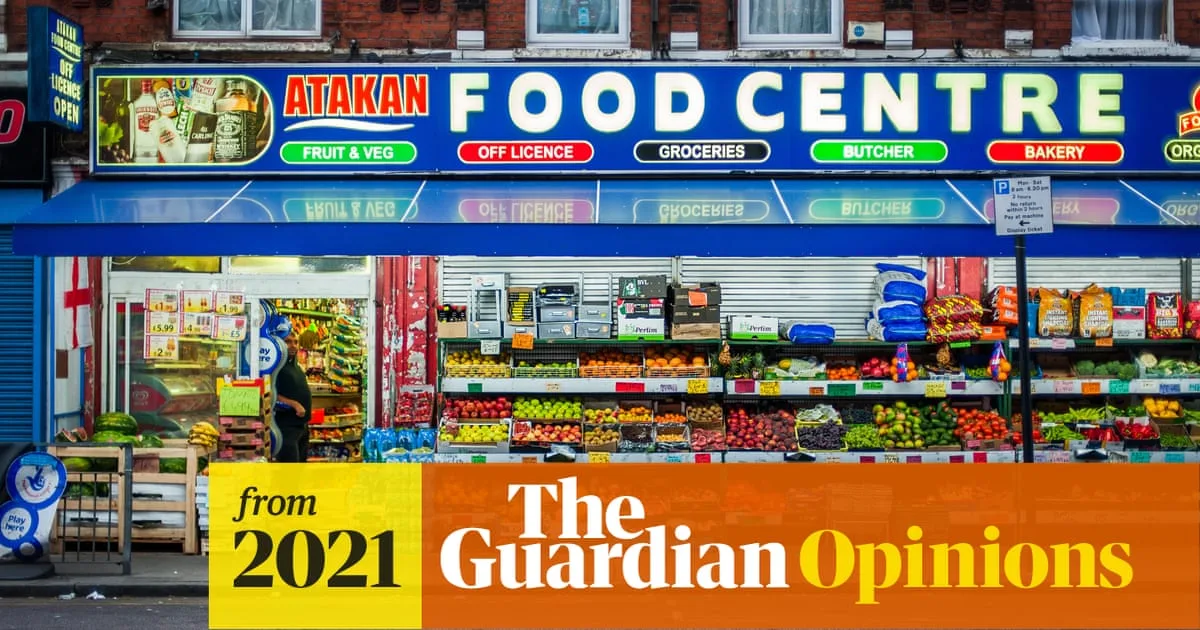
When the first lockdown hit the UK last March, supermarket delivery slots vanished, forcing many to rely on local corner shops for essentials like toilet roll and bakers' yeast. These shops became a lifeline for families, the elderly, and those without cars. However, a new wave of instant grocery delivery apps—such as Weezy, Jiffy, Getir, and Dija—now threatens to destroy these vital community services.
Since the pandemic began, about $14bn in venture capital has flowed into instant grocery apps. These companies promise to deliver groceries faster than a trip to the corner shop, using 'dark stores'—fulfilment centres not open to the public—located close to homes. By inserting themselves into the 'last mile' of delivery, they remove the need for trips to local shops, posing an existential threat to high streets and small convenience stores.
The grocery sector dwarfs the restaurant delivery market: total UK grocery sales were £190bn in 2018, with convenience retail accounting for £40bn, compared to £11.4bn for restaurant delivery. Yet convenience retail is a low-margin business, with corner shops often run by immigrants—44% of store managers are Asian or Asian British—working long hours for modest returns. If delivery apps take over, many of the nearly half-million workers in the sector could be replaced by robots or redeployed as delivery riders.
The business model of these apps relies on the tech startup playbook: lure users with discounts, crush competition, and form a monopoly. Investors bet on future monopoly earnings, as seen with Uber. Traditional shops cannot compete against global finance. The Competition and Markets Authority, which approved Amazon's stake in Deliveroo last summer, has failed to see the threat, despite Deliveroo already offering grocery delivery from its 'Editions' dark kitchens.
In this future, high streets would be dominated by dark stores and dark kitchens, where consumers cannot shop or dine in person. Local shops that offer diverse products—like Turkish kefir, Polish kielbasa, and West African fufu flour—would disappear, replaced by a homogenised delivery service. The loss would be not just economic but social, eroding the community hubs that got us through lockdown.