Two retail customers have filed proposed class-action lawsuits in US courts, seeking a share of tariff-related refunds from FedEx and EssilorLuxottica, the maker of Ray-Ban sunglasses. The lawsuits aim to ensure consumers benefit from any reimbursements these companies receive following a US Supreme Court ruling that invalidated tariffs imposed by former President Donald Trump.
The Supreme Court ruled on February 20 that the tariffs, estimated to be worth between $130 billion and $175 billion, were implemented without legal authority under the International Emergency Economic Powers Act (IEEPA). More than 1,000 companies, including Revlon and Costco, had previously filed protective lawsuits to secure reimbursement rights.
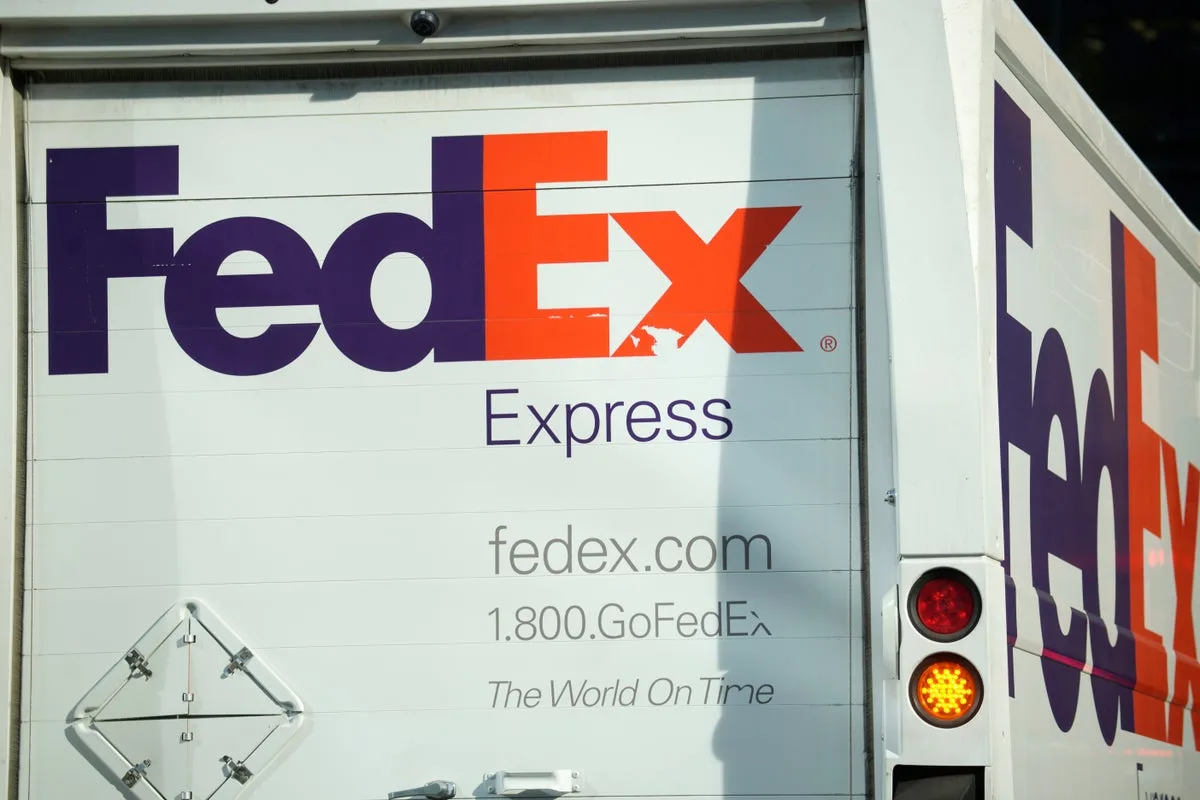
FedEx stated it would return any tariff refund to shippers and customers who paid them. However, the complaint filed against FedEx by Matthew Reiser of Miami argues that this pledge “creates no legally enforceable obligation and is expressly contingent on future government and court guidance that may never materialize.” Reiser claims he paid $36 in tariffs and fees on tennis shoes shipped via FedEx from Germany.
In a separate action, Nathan Ward of New York alleges he purchased Ray-Ban sunglasses from ray-ban.com in August 2025 at a higher price reflecting a tariff surcharge. The complaint states that EssilorLuxottica continues to collect tariff surcharges without refunding consumers, despite seeking a refund of the duties itself. EssilorLuxottica did not respond to a request for comment.
Barry Appleton, co-director of the Center for International Law at New York Law School, expects more consumer lawsuits to emerge, particularly against companies that itemised tariff charges on invoices. He noted that while the legal viability of these cases is not clear-cut, they pressure businesses to share any refunds they secure. “What we are watching is the predictable next chapter of the IEEPA story,” Appleton said.