Step into any contemporary cafe across the United Kingdom, and you will likely encounter an array of French patisserie delights, from flaky croissants to delicate macarons. However, a notable shift is occurring in the heart of London's exclusive Mayfair district, where Claridge's, the iconic luxury hotel, has inaugurated a traditional bakery dedicated to reviving classic British baked goods. This establishment, which opened its doors on January 21, places nostalgic treats at the forefront, challenging the prevailing dominance of continental pastries.
A Culinary Mission to Preserve British Heritage
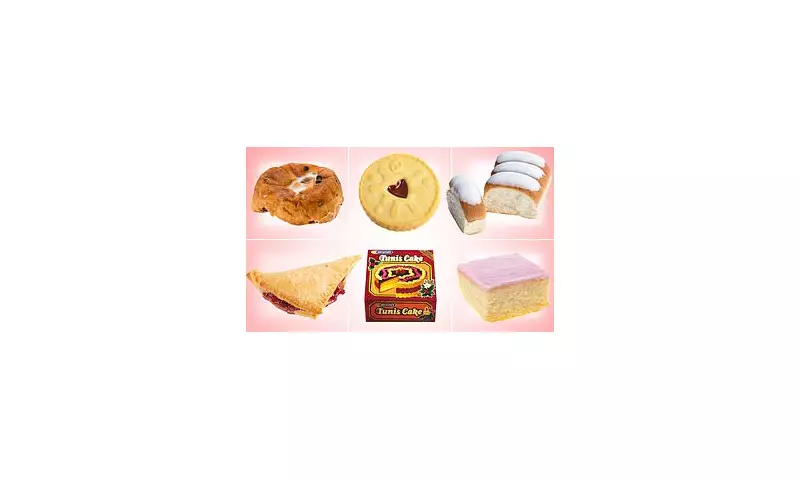
Spearheaded by internationally acclaimed, London-born chef and baker Richard Hart, the bakery offers an assortment of confections inspired by his childhood favourites. These include Bakewell tarts, Jammy Dodgers, lardy cake, fruit turnovers, and iced buns. Hart articulated his vision to The Telegraph, stating, "You can get croissants everywhere. We're baking so children of today will know what British baked goods were when we were kids." He further remarked, "A lot of people have said, 'Wow, it's so refreshing to see something new', but it's not new, it's old. We're making things that have almost been forgotten."
The bakery's menu features items such as a £5 Jammy Dodger, a £6 sourdough bloomer, and a £9 bacon roll, alongside other traditional offerings like walnut whips, Marmite cheese straws, Hampshire pork scotch eggs, and sausage rolls. In alignment with Hart's ethos, this initiative encourages a rediscovery of beloved British cakes and biscuits from yesteryear.

Rediscovering Classic British Cakes
Lardy Cake
Lardy cake is a traditional British tea bread enriched with lard, sugar, spices, and often dried fruit, distinguished by its shiny lard and sugar topping. Although rarely found in modern bakeries, this golden baked good remains prevalent in several southern English counties, including Hampshire, Berkshire, Dorset, and Gloucestershire. Believed to have originated in Wiltshire, lardy cakes were historically reserved for celebrations, as sugar, spices, and dried fruit were considered luxurious and expensive ingredients.
Tottenham Cakes
Tottenham cakes consist of a light sponge traybake adorned with raspberry and coconut icing. First created by Quaker baker Henry Chalkley in the eponymous north London district during the late 1800s, these affordable cubes quickly gained nationwide popularity. Initially sold for a penny per slice, they were later distributed free to children to commemorate Tottenham Hotspur's 1901 FA Cup victory. Today, they are primarily available in select North or East London bakeries, with some Greggs outlets in the South East also featuring them on regional menus.
Tunis Cake
The Tunis cake, often enjoyed as an alternative to Christmas cake, comprises a soft madeira sponge topped with a thick layer of chocolate icing, finished with piped vanilla frosting and vibrant marzipan fruit decorations. Its origins are obscure but thought to date back to Edwardian times. A commercial version was produced by Scottish bakery Macfarlane Langs in the 1930s, and after a merger with McVitie & Price in 1948, United Biscuits acquired the recipe. McVitie's stocked a popular supermarket version in the 1980s, which was discontinued but briefly revived last year on Tesco shelves for £10, following a successful campaign by a dedicated Facebook page with over 3,000 members.
Lyons Showboats
Lyons Showboats were miniature sponge cupcakes topped with buttercream and a small chocolate, available in assorted shapes such as circles and squares, and filled with orange and chocolate cream. Individually wrapped in cellophane and sold in six-packs during the 1960s and 1970s, they were eventually retired due to price increases. Despite interest from Waitrose in the 1990s, these cakes never made a comeback.
Iced Buns
Iced buns, also known as iced fingers, are bread buns typically decorated with a white icing sugar glaze. This simple treat may be garnished with additional sweets, filled with fruit flavours, or shaped differently from the traditional roll. A longstanding debate exists over whether they should be eaten as-is or sliced and buttered. Although still a favourite for many, they are often absent from chic cafes that prefer French pastries.

Cherry Turnovers
While fruit turnovers may have French origins, Britons have wholeheartedly adopted and adapted them, creating variations like cherry turnovers. Puff pastry traditionally filled with fruits such as apples became a national favourite from the 1950s onward, with cherries introduced during the Victorian period. Despite being labelled a "retro" treat, turnovers remain popular and are sold in some supermarkets.
Nostalgic British Biscuits
Crawford's Rover Assorted Biscuits
Crawford's Rover Assorted Biscuits were housed in a vibrant, large tin containing shortbread, Custard Creams, wafers, Digestives, and jammy cookies. First launched in the 1970s, these tins were often repurposed for sewing supplies, colouring pencils, or other miscellaneous items after the biscuits were consumed. Although discontinued, they are remembered fondly.
Royal Scot Biscuits
Royal Scot biscuits, created by McVitie's, were often compared to shortbread but featured sugar sprinkled on top. These rich, buttery biscuits were hugely popular before being discontinued in the 1970s following recipe changes that reportedly led to declining sales. Fans continue to demand their return, with social media pages dedicated to reviving the treat.
Breakaway
Nestle's Breakaway biscuit bar, launched in 1970, was discontinued in 2024 after 54 years to make way for a new hazelnut flavour of Blue Riband. Consisting of a crunchy digestive biscuit covered in milk chocolate, it became a firm favourite among children in the 1990s and 2000s. A Nestle UK & Ireland spokesperson cited declining sales in recent years, stating, "We know fans will be disappointed to see it go, but it's time for us to say goodbye to Breakaway."
Penguin Flipper Dippers
Penguin Flipper Dippers, a spin-off from the enduring Penguin chocolate biscuit bar, quickly became a lunchbox classic after their release in the 2000s by McVitie's. Packaged in a vibrant red box, they included penguin-shaped biscuits with a creamy milk and white chocolate dip. Despite regular social media appeals from fans, they were eventually discontinued.