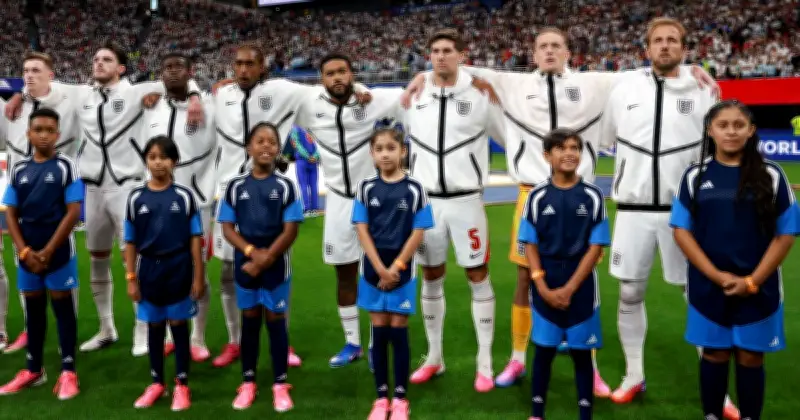
During the England vs Argentina World Cup semi-final on July 15, 2026, the BBC faced widespread criticism for repeatedly promoting TV licence renewals, overshadowing a moment of national unity. The broadcaster displayed QR codes on screen and had pundits issue reminders, drawing ire from viewers and even embarrassment from presenters.
Inappropriate Timing During a Pivotal Match
As England fought for a place in the final, the BBC saw an opportunity to push its licence fee. Pundit Guy Mowbray, during half-time, stated: "It's that time again, how about taking a break from the tension by renewing your TV licence. Just scan the QR code on screen, it will take you to the link to do so, whilst not blaming the messenger." Alan Shearer joked that Mowbray had repeated the message 687 times over five weeks, to which Mowbray replied, "I just asked you not to blame the messenger."
Public Backlash on Social Media
Viewers flooded social media with complaints, uniting in disdain for the corporation. Many felt the reminders were intrusive during a tense match, especially for those watching in licensed premises or struggling with bills. The BBC's efforts to collect the £180-per-year fee were seen as tone-deaf, with critics arguing that the timing was inappropriate.
Even BBC Leadership Questions the Licence Fee
Just a week earlier, Matt Brittin, the former Google executive who became BBC director-general six weeks ago, called the licence fee a "straitjacket" and "not fit for purpose" during a parliamentary testimony. He told MPs it was "yesterday’s model," undermining the very funding mechanism the BBC was aggressively defending during the World Cup.
A Pattern of Misplaced Priorities
The incident highlights a broader issue: the BBC's focus on revenue over viewer experience. While the licence fee funds events like the World Cup, such aggressive reminders erode public trust and loyalty. As one commentator noted, it would be like an electricity supplier interrupting a favourite soap to demand payment. The BBC's actions during the World Cup may have united the public—but in opposition to the corporation itself.